Article
Affordable Website for Small Business That Converts
July 19, 2026 • 6 min read

A website that costs very little but fails to bring in calls is not affordable. It is a business expense with no return. For a local service company, an affordable website for small business means a site built to do a specific job: help nearby customers find you, trust you, and contact you before they call the next company on Google.
That standard matters whether you run a garage, spa, coaching practice, cleaning company, roofing business, or another appointment-driven service. Your website does not need flashy effects or dozens of pages. It needs to answer the questions a ready-to-buy customer has, load quickly on a phone, and make booking or calling easy.
What an affordable website should actually deliver
The price of a website is easy to see. The cost of a weak website is harder to spot. It shows up as missed calls, poor Google visibility, low quote requests, and staff answering the same basic questions all day.
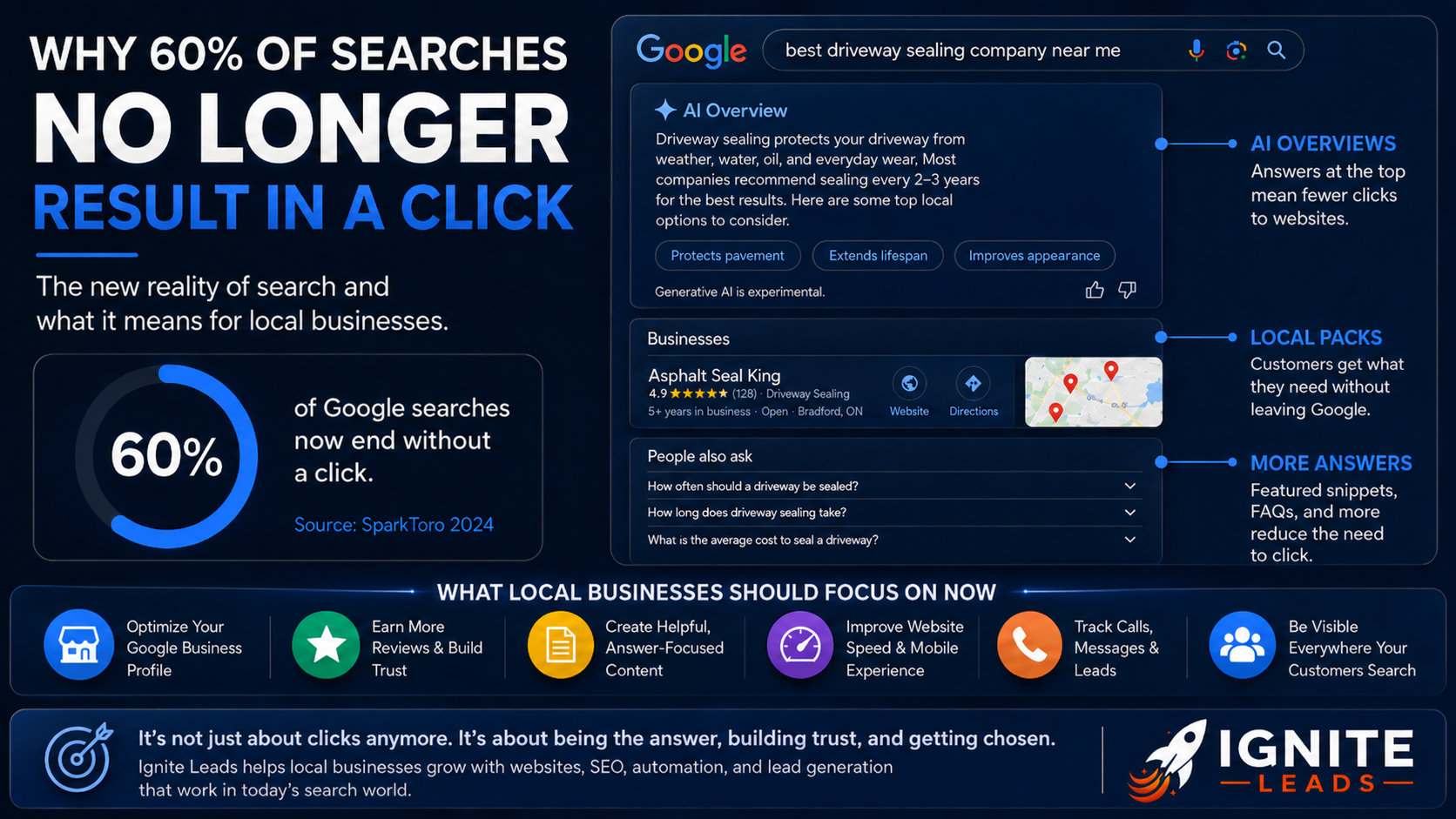
A useful website should support four business outcomes: more local visibility, more trust, faster lead capture, and less manual follow-up. If a website does not contribute to at least some of those outcomes, it is functioning as an online brochure, not a growth tool.
For most local businesses, the essentials are straightforward. Your site needs clear service pages, a strong mobile experience, visible contact options, proof that you are credible, and a simple path to request a quote or book an appointment. It should also be set up so Google can understand where you operate and what services you provide.
The best affordable option is rarely the cheapest template you can find. It is the one that includes the setup, structure, and ongoing support needed to keep turning visitors into leads.
The features that matter most for local service businesses
A visitor should know three things within seconds of landing on your site: what you do, where you work, and what to do next. That sounds basic, but many websites bury the answer behind generic headlines, stock images, and cluttered navigation.
Start with service-specific pages. A homeowner searching for furnace repair has different needs than someone searching for annual maintenance. A page that speaks directly to one service gives the visitor a reason to call and gives search engines clearer context. You do not need 50 thin pages. You need useful pages that reflect the work you want more of.
Next, make the contact process immediate. Put your phone number where mobile users can tap it. Use short forms that ask only for the information needed to respond. Add online booking if appointments are part of your process. If someone submits a form at 8:30 p.m., an automatic reply can confirm the request and set expectations before a competitor gets the opportunity.
Trust signals do the heavy lifting when a customer is comparing local options. Reviews, before-and-after photos, certifications, team photos, service guarantees, years in business, and clear service areas all reduce hesitation. A strong website does not claim to be the best. It shows enough evidence for a customer to feel comfortable contacting you.
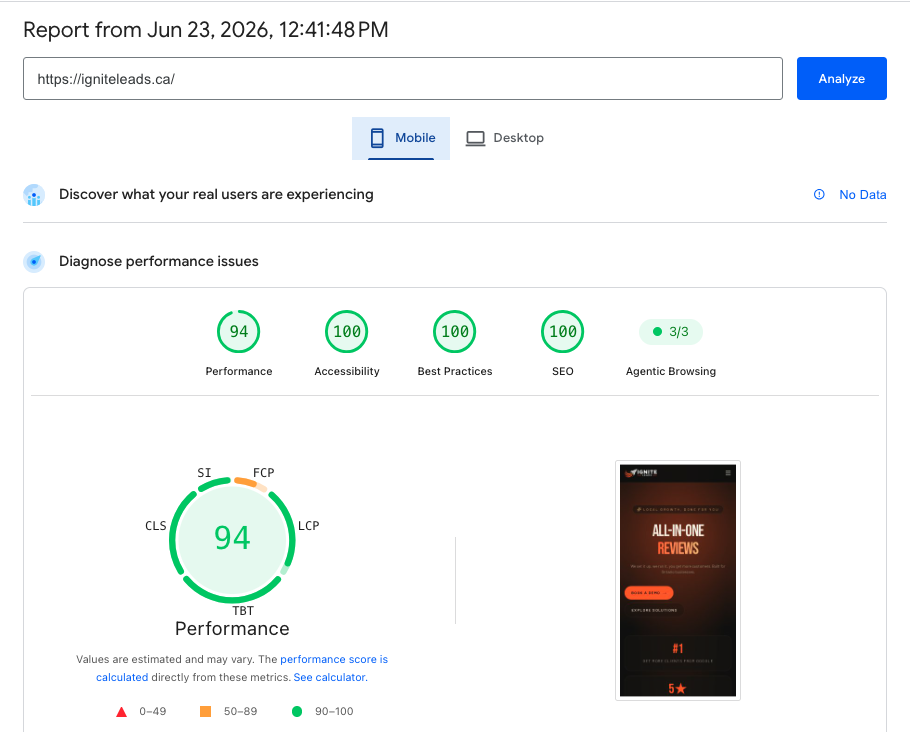
Finally, speed matters. Most local searches happen on a phone, often when the customer needs help now. If a site takes too long to load or makes users pinch, zoom, and hunt for a button, the lead is gone. A clean, mobile-first layout beats an over-designed site every time.
Affordable website for small business: what to avoid
Low-cost websites often become expensive through omissions. The initial price may look attractive, but the business owner is left to write content, connect forms, fix broken pages, update plugins, chase support, and figure out why no leads are coming in.
Be careful with a site that includes only a homepage and contact page. That setup may be enough for a hobby business, but it gives a service business little room to rank for core services or explain why customers should choose it. It also makes paid traffic less effective because every visitor lands on the same generic page.
Avoid long contracts that make it difficult to leave if the provider is unresponsive or the work is not producing value. Month-to-month service can be a practical option when it comes with clear ownership, active support, and measurable deliverables. Flexibility is useful, but only if the provider is accountable.
You should also question any website package that treats launch day as the finish line. Service offerings change. Reviews accumulate. Seasonal promotions come and go. Google updates how it displays local results. Your website needs a way to stay current without becoming another task on your operations list.
A few common warning signs are worth watching for:
- No clear plan for mobile usability, local search setup, or conversion tracking.
- A contact form with no automated confirmation or follow-up process.
- Generic copy that could describe any business in any city.
- No explanation of who handles updates after the website goes live.
- Pricing that excludes the essentials required to make the site useful.
Build the website around the customer journey
Customers do not experience your marketing in separate boxes. They may see your Google Business Profile, read reviews, visit your website, submit a form, and expect a reply within minutes. If those pieces are disconnected, leads slip through the gaps.
That is why a website should be connected to your larger lead process. A new inquiry should go into one central system. Your team should be notified. The customer should receive a fast confirmation. If the call is missed, there should be a follow-up path instead of a dead end.
For businesses in Barrie, Newmarket, Aurora, and Vaughan, local competition is often decided by response time as much as price. The first credible business to answer, confirm availability, and make the next step easy has a real advantage. Your site should help create that advantage, even when your team is busy serving customers.
Local SEO also belongs in the website plan, not as an afterthought. Service pages, location signals, technical setup, review strategy, and consistent business information all work together. A website alone will not guarantee top rankings, but a poorly structured site can make ranking much harder.
How to judge the real value of a website package
Before choosing a provider, ask what happens after someone visits the site. If the answer is simply “they can fill out a form,” you are not looking at a complete lead system.
Ask who writes the content and whether it reflects your actual services. Ask whether the website is designed for mobile calls and appointments. Ask how leads are tracked, how quickly they receive a response, and who makes updates when your business changes. These questions reveal whether you are buying a design file or an operating asset.
Also look at the monthly commitment in context. A $99-per-month website can be a sensible investment when it includes professional design, hosting, maintenance, conversion-focused pages, and support. It is less useful if you still need separate vendors for search visibility, review generation, CRM follow-up, and missed-call handling.
The goal is not to buy every marketing feature available. It is to remove the bottlenecks between a local search and a booked customer. For some businesses, a focused website and review process are enough to start. For others, especially companies with multiple staff, high call volume, or several locations, automation and centralized lead management become necessary.
A website should make your operation easier
The right website gives owners control without adding another system to manage. You should be able to see where leads came from, what services people want, and whether inquiries are being handled quickly. Your staff should not need to copy form submissions between inboxes or remember to respond after a long day.
Ignite Leads approaches websites as one part of a managed local growth system, not a standalone design project. The website, visibility, reviews, lead follow-up, and AI-assisted reception work better when they are coordinated by one team with one objective: more qualified local customers.
Do not judge your next website by how impressive it looks in a portfolio. Judge it by whether a customer can find you, trust you, reach you, and get a fast response. That is where an affordable website starts paying for itself.
Allan Heath
Founder of Ignite Leads. Helps local businesses grow through SEO, lead generation, and marketing automation — simplifying the playbook so owners can focus on the work.