Article
Automated Review Generation for Local Business
July 10, 2026 • 7 min read

A customer leaves happy, says they will post a review, and then disappears. That gap costs local businesses every week. Automated review generation for local business fixes that gap by turning good service into a repeatable follow-up system instead of a hopeful ask at the front desk or on the way out the door.
For service businesses, reviews do more than boost credibility. They influence local rankings, click-through rates, phone calls, and booked jobs. If your team is still asking manually, sending one-off texts, or relying on memory, you are leaving too much to chance.
Why automated review generation for local business matters
Most owners do not have a review problem. They have a process problem. The service gets delivered. The customer is satisfied. Then nobody follows up at the right time, with the right message, through the right channel.
That is where automation changes the result. A good system sends a review request as soon as the job is complete or the appointment is finished. It can trigger by invoice paid, appointment marked complete, or CRM stage updated. The timing matters because the customer still remembers the experience, and the effort required from your staff is close to zero.
This also removes inconsistency. One staff member remembers to ask, another forgets, and another feels awkward doing it. Automation standardizes the request so your business generates reviews whether your best receptionist is on shift or not.
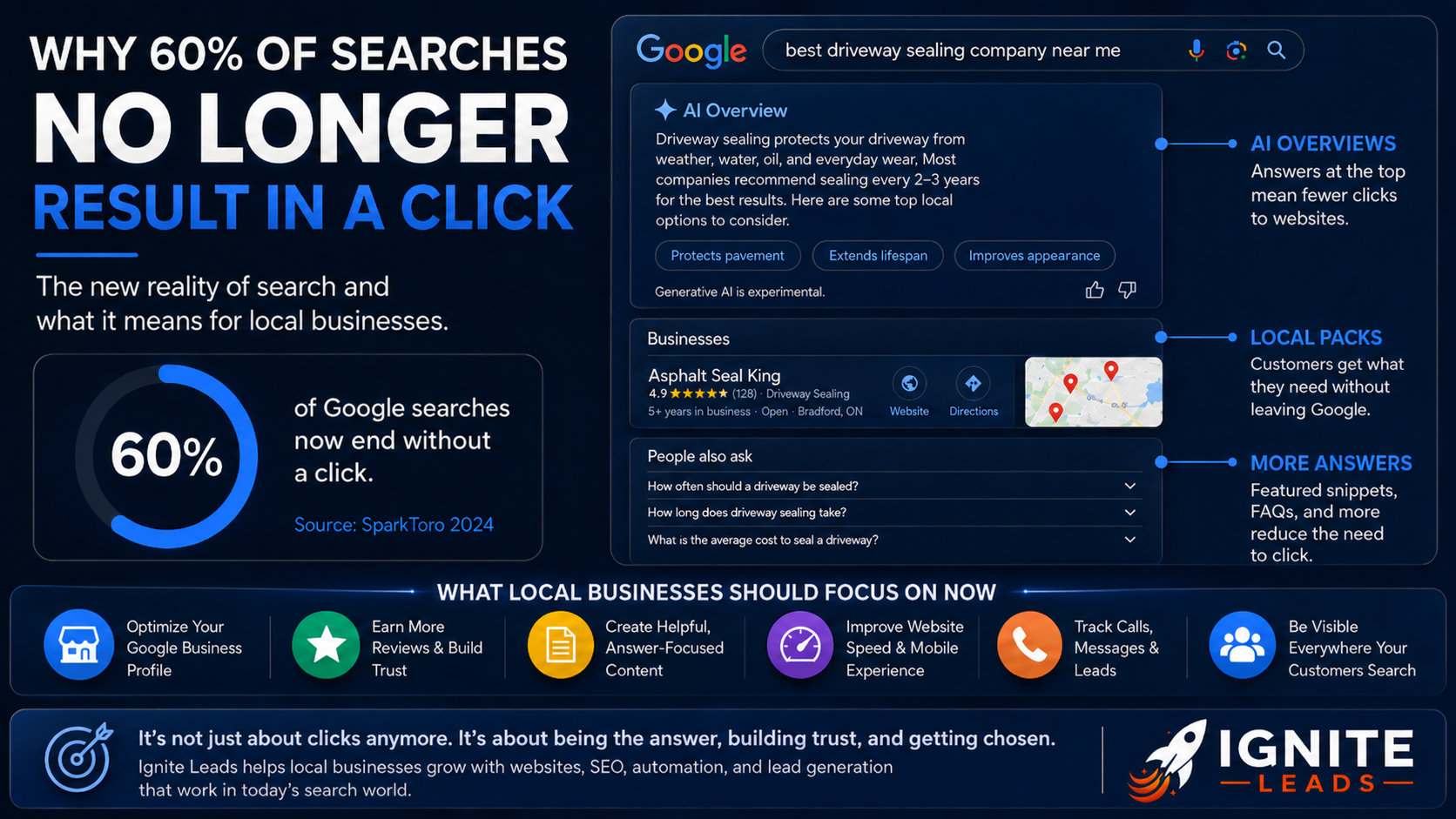
There is also a direct visibility benefit. Google reviews support local search performance. They are not the only ranking factor, but they clearly affect how your business appears to nearby customers comparing options. More recent, relevant, and credible reviews usually lead to more trust before the first call even happens.
What an effective system actually looks like
A lot of businesses hear "automation" and picture spammy blasts or fake reviews. That is not the goal. Effective automated review generation for local business is built around real customers, clean timing, and low-friction actions.
The core setup is simple. After a completed service, the customer receives a text or email asking for feedback. The message is short, personal, and easy to act on. If they tap through, they land on the review platform you care about most, usually Google for a local service business.
The best systems also include reminder logic. Not too much, or it becomes annoying. Usually one initial request and one polite follow-up is enough. More than that depends on your industry and customer relationship. A spa client may respond differently than a garage customer or home service lead.
It also helps when review requests are tied into your wider customer workflow. If your CRM, invoicing, booking system, and follow-up live in separate tools, automation gets messy fast. Requests get missed, duplicated, or sent at the wrong moment. That is why businesses often struggle when they try to bolt review generation onto a disconnected setup.
The business impact goes beyond star ratings
Owners usually start caring about reviews when they want more five-star feedback on Google. Fair enough. But the bigger win is operational.
When review generation is automated, your front desk spends less time chasing feedback. Your field staff does not need to remember who to ask. Your manager does not need to pull a list every Friday and send messages manually. Small tasks like that pile up and steal time from quoting, scheduling, and serving customers.
There is also a compounding effect. More quality reviews can improve local trust. Better trust can increase click-through rates. Higher click-through rates can lead to more calls. If your follow-up system is tight, those calls turn into more booked work. Reviews are not an isolated reputation metric. They are part of the conversion path.
That matters even more in competitive local markets like Barrie, Newmarket, Aurora, or Vaughan, where several businesses may offer similar services at similar prices. Customers often choose the option that looks more proven, more recent, and more responsive.
Where businesses get it wrong
The biggest mistake is treating review generation like a campaign. It should be a system. Campaigns fade. Systems keep running.
Another mistake is asking every customer in exactly the same way, regardless of context. Timing should match the service. A one-visit detailing job, a recurring coaching program, and an emergency plumbing call all have different customer moments. If you ask too early, the value is not clear yet. Ask too late, and the motivation is gone.
Some businesses also overcomplicate the process. They create long feedback forms, route people through too many steps, or send email-only requests when their customers live on text. If leaving a review feels like admin, response rates drop.
Then there is the compliance and ethics issue. Buying reviews, filtering out all unhappy customers in a deceptive way, or using fake accounts can do real damage. The right approach is to make it easy for genuine customers to respond. Not to game the platform.
How to set up automated review generation without creating more work
Start with the trigger. Decide what event means the customer has had enough of the experience to leave an honest review. For many service businesses, that is job completion, payment received, or appointment closed.
Next, choose the channel. Text usually performs best for local service businesses because it gets opened quickly and feels immediate. Email can still work, especially for higher-consideration services or professional firms, but response times are often slower.
Then write the message. Keep it short. Thank them, mention the service, and give them one clear action. You do not need clever copy. You need low friction. A simple request sent at the right time will outperform a polished message sent three days late.
After that, set follow-up rules. If they did not respond, send one reminder. If they already left a review, stop the sequence. If they have an unresolved support issue, pause the ask until the problem is handled. Good automation is not just fast. It is conditional.
Finally, make sure someone owns the responses. Generating more reviews is only half the job. Responding to them shows activity, professionalism, and customer care. Positive reviews deserve a thank you. Negative reviews deserve a calm, useful reply and an internal follow-up process.
Why integration matters more than most businesses realize
This is where many owners hit a wall. They can find a text tool. They can find a CRM. They can find booking software. What they struggle with is getting everything to work together without constant patching.
If your review system is not connected to your lead handling and customer pipeline, it stays fragile. Staff need to update multiple tools. Someone forgets a step. Requests go out to the wrong contact. You end up with automation that still needs babysitting.
A managed setup solves that by connecting review generation to the rest of the growth system - website leads, CRM stages, missed-call handling, follow-up, and reporting. That is the difference between adding one more tool and building a process that actually reduces workload.
For businesses that do not want to become software managers, that distinction matters. The value is not just the automation itself. The value is having it set up, maintained, and improved without draining the owner’s time. That is one reason businesses choose a managed partner like Ignite Leads instead of stacking more disconnected apps.
What to expect after implementation
You should expect better consistency first, then higher volume. In the early stage, the main gain is that review requests happen every time instead of only when staff remember.
After that, review count usually starts to rise. The pace depends on your job volume, customer satisfaction, and how clean your follow-up process is. If your service delivery is strong and your timing is right, automated requests can create a steady flow of new reviews without adding admin.
You may also notice secondary gains. Staff ask fewer questions about who to follow up with. Managers spend less time checking whether requests were sent. Customers see a more organized business. That operational polish often shows up in conversion, not just reputation.
It is worth being realistic, though. Automation will not fix poor service. If customers are frustrated, a faster request system just surfaces that faster. That is not always bad. Honest feedback can reveal breakdowns in scheduling, communication, or job quality that need attention. But the underlying service still has to earn the review.
A better approach for local businesses
The best review systems do not feel like marketing. They feel like part of the customer journey. Service completed, follow-up sent, feedback collected, reputation strengthened. No chasing. No sticky notes. No hoping the team remembers.
For a local business, that is the real value of automated review generation. More proof, more visibility, less manual work, and a process that keeps running while your team focuses on the next job. If your reviews still depend on memory, you do not need more reminders. You need a system that makes the result automatic.
Allan Heath
Founder of Ignite Leads. Helps local businesses grow through SEO, lead generation, and marketing automation — simplifying the playbook so owners can focus on the work.