Article
Best Lead Sources for Local Service Businesses
October 19, 2026 • 6 min read
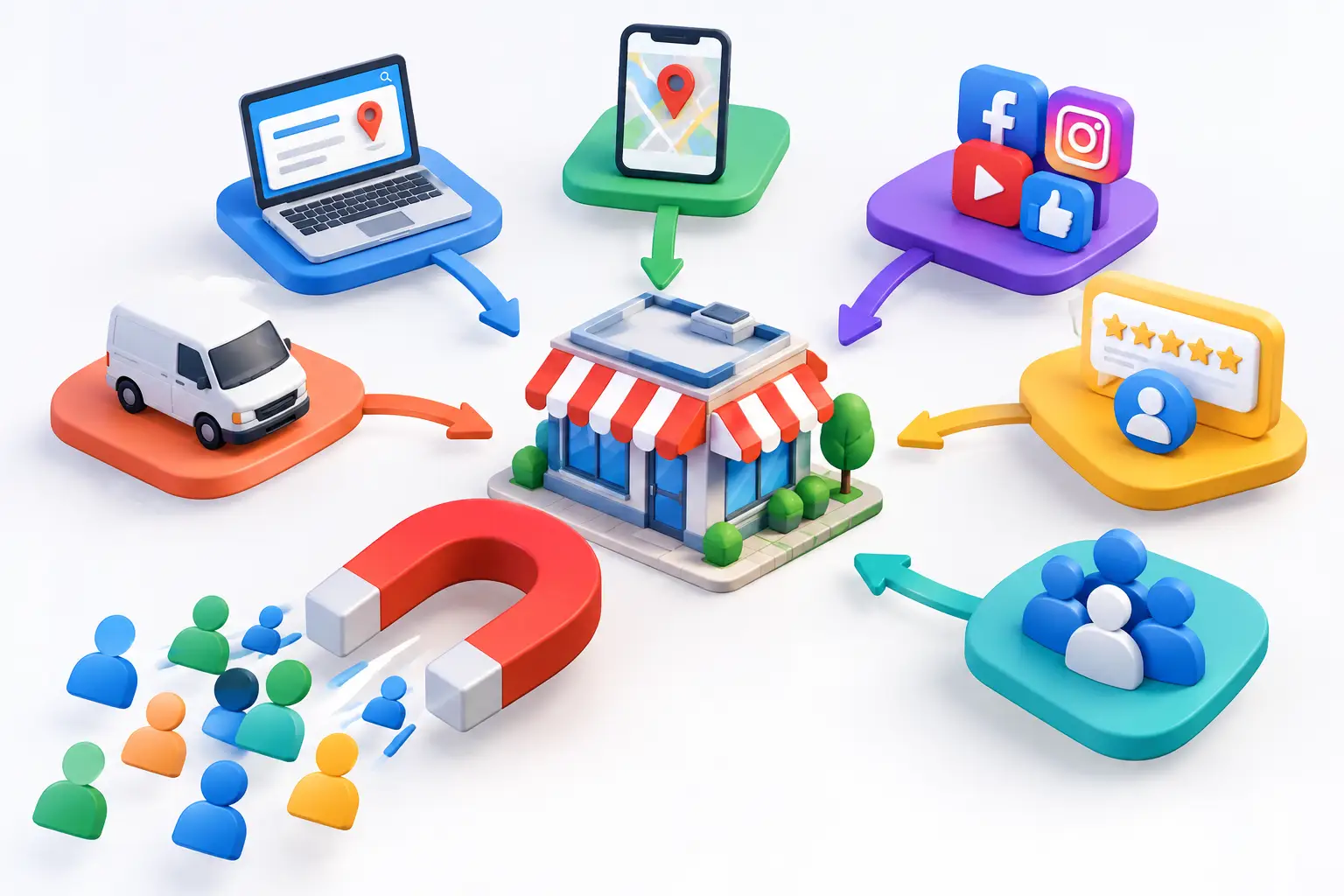
A missed phone call is not just an operational problem. For a local service business, it is often a customer who calls the next company on Google. The best lead sources do not work in isolation. They create demand, make your business easy to trust, and connect every inquiry to a fast response that turns interest into booked work.
For a garage, spa, contractor, coach, or multi-location operator, the goal is not to collect the highest possible number of leads. It is to generate qualified local inquiries your team can actually convert. That requires choosing channels based on buying intent, cost, response capacity, and the lifetime value of the customer.
What Makes a Lead Source Worth Your Time?
A lead source is only valuable if it produces profitable customers consistently. A channel that delivers 100 low-quality form submissions may look good in a monthly report, but it can drain your team and create no meaningful revenue.
Start by looking at four numbers: how many leads the source produces, what each lead costs, how many leads become booked appointments, and what those customers are worth over time. A source with a higher upfront cost can still be the better investment if its leads call ready to book, show up, and become repeat customers.
For most local businesses, high-intent channels should come first. These are the places customers use when they already have a problem and are looking for a provider nearby. Awareness channels can help, but they should not replace the foundations that capture immediate demand.
The Best Lead Sources for Local Businesses
Google Search and Local SEO
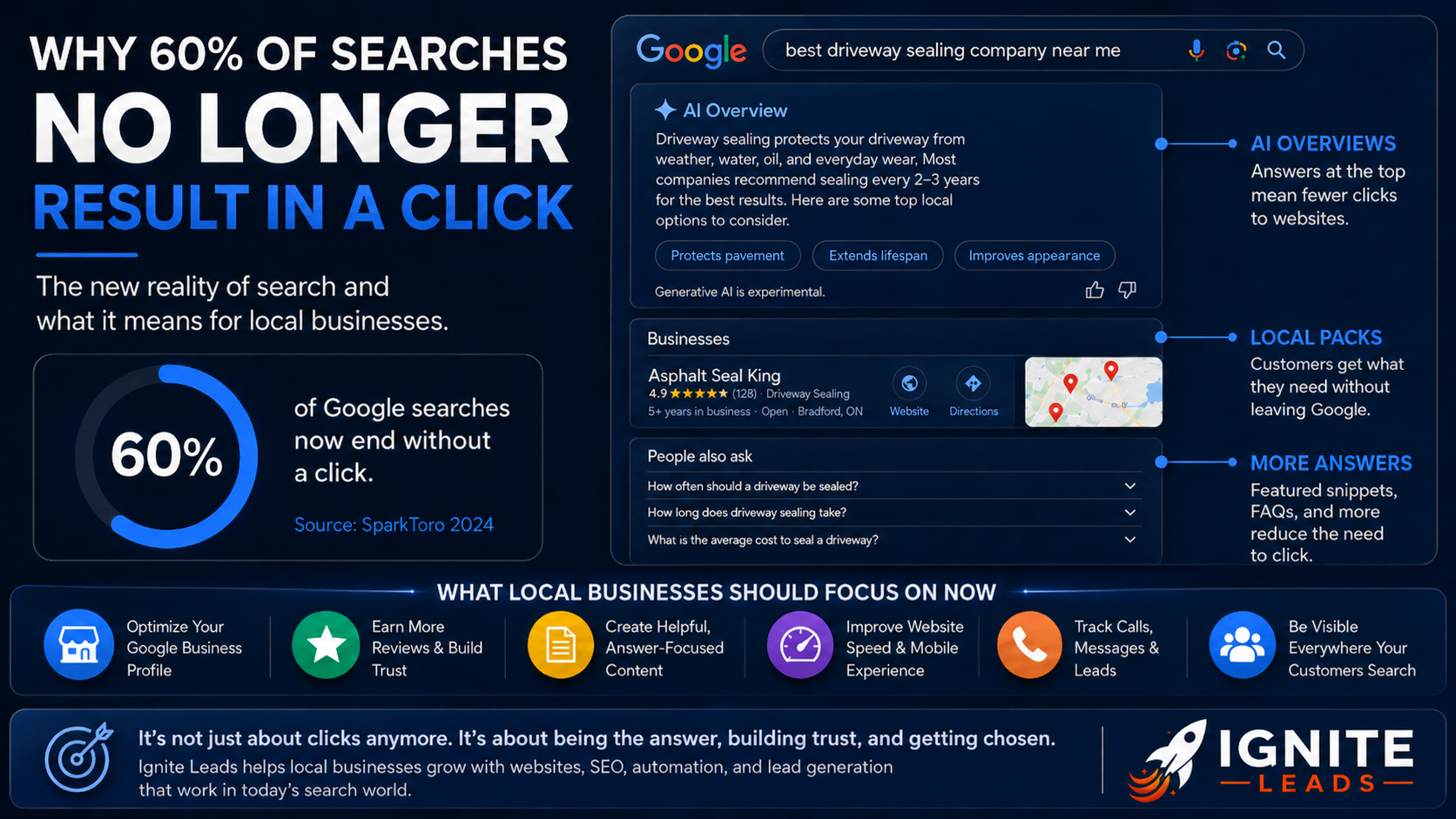
Google is usually the strongest long-term source of local service leads because it captures people actively searching for help. Someone searching “auto repair near me,” “facial Barrie,” or “emergency plumber Vaughan” has a clear need and a short decision window. Your job is to appear, look credible, and make contacting you effortless.
Local SEO is not a one-time website project. It includes a fast, mobile-ready site, clear service pages, accurate business information, local relevance, Google Business Profile management, and ongoing review generation. When these pieces are managed together, your business has a better chance of showing up where customers make decisions.
The trade-off is speed. Organic rankings take time to build, especially in competitive markets. But once visibility improves, local SEO can reduce your dependence on paid advertising and produce leads month after month. It is one of the few channels that becomes more valuable as your reputation and content compound.
Google Ads for Immediate Demand
Google Ads puts your business in front of people who are searching now. It is a practical option when you need leads faster than organic rankings can deliver, when launching a new location, or when you want to promote a high-margin service.
The difference between profitable Google Ads and wasted spend is control. Broad keywords, weak landing pages, and unanswered calls can burn through a budget quickly. Campaigns need service-specific messaging, tight geographic targeting, call tracking, negative keywords, and a clear next step for the customer.
Paid search works best when it supports a conversion system. If a prospect clicks an ad, reaches a generic homepage, fills out a form, and waits until tomorrow for a response, the ad did its job but the business lost the sale. Build the follow-up process before increasing the budget.
Reviews and Referral Momentum
Reviews are not simply a reputation metric. They are a lead source because they influence what happens after a customer finds you on Google, social media, or a referral. A business with recent, specific reviews earns more clicks and more calls than a competitor with an outdated profile and a handful of vague ratings.
The strongest review strategy is operational. Ask at the right moment, make the request simple, and use automation so staff do not have to remember every time. A steady flow of genuine reviews also gives you language customers use to describe your best services, which can improve your website and advertising copy.
Referrals deserve the same discipline. Many businesses claim referrals are their best source but do not track where referred customers come from or prompt happy clients to recommend them. Train your team to ask for referrals after a successful outcome, not as an awkward afterthought. For services with repeat business or high trust requirements, referrals can deliver some of the highest close rates available.
Reactivating Past Customers
Your customer database is often underused. Past clients already know your business, which means they need less convincing than a cold prospect. A timely message about seasonal maintenance, a service reminder, a renewal, or a relevant offer can create booked appointments without paying to acquire a brand-new lead.
This channel depends on clean data and sensible timing. A tire shop can remind customers about seasonal changes. A spa can follow up after a treatment cycle. A home service provider can schedule annual maintenance. The message should be useful, specific, and based on the service relationship, not a generic blast sent to everyone.
CRM automation makes this repeatable. Instead of relying on staff to remember every follow-up, the system can trigger texts or emails based on appointment dates, service history, and lead status. That protects revenue that would otherwise disappear into an inactive contact list.
Cold Email and Local Partnerships
Cold outreach is not the right primary source for every local business, but it can work well when your buyer is another business or when your service has a clear commercial use case. A coach targeting employers, a commercial cleaner, or a contractor serving property managers may get better results from targeted outreach than from waiting for search traffic alone.
The key is relevance. Generic mass email damages trust and produces weak results. A focused campaign should identify a specific audience, speak to a problem they recognize, and offer a straightforward next step. It also needs proper follow-up, because many legitimate opportunities do not respond to the first message.
Local partnerships can operate the same way. Build relationships with complementary businesses that already serve your ideal customers. A salon may partner with a wedding vendor. A garage may connect with fleet operators. A home renovator may build referral relationships with realtors or designers. These sources take effort to develop, but they can produce higher-quality leads than broad advertising.
Speed-to-Lead Determines What Your Leads Are Worth
Even the best lead source fails when response time is slow. A person who submits a quote request at 7:15 p.m. may contact three businesses before breakfast. If your team replies hours later, you are competing after the customer has already spoken with someone else.
Set clear standards for every inquiry. Calls should be answered or returned quickly. Form submissions should receive an immediate acknowledgement and a prompt human follow-up. Text messages should be monitored. Missed callers should not disappear into voicemail without a response.
This is where AI chat, AI voice reception, CRM workflows, and automated reminders can make a direct difference. Automation does not replace your team’s judgment. It ensures the customer gets a useful first response while your team handles the work only people can do: answering detailed questions, building trust, and closing the booking.
Build a Lead Mix Instead of Chasing One Channel
The right mix depends on your business model. A new home service company may use Google Ads to create immediate demand while investing in local SEO and reviews for long-term growth. An established spa may get more value from reactivation and referrals alongside Google visibility. A B2B service provider may combine search demand with targeted cold email.
Avoid treating every source equally. Put more attention on channels that bring profitable, bookable customers, then improve the weak points in the path from inquiry to appointment. If leads are expensive, improve conversion before spending more. If conversion is strong but volume is low, invest in visibility. If leads go cold, fix response time first.
The businesses that grow consistently do not rely on marketing tricks. They run a connected system that helps local customers find them, trust them, get an answer quickly, and book without friction. Start with the channel closest to real buying intent, then make sure every lead gets the response it deserves.
Allan Heath
Founder of Ignite Leads. Helps local businesses grow through SEO, lead generation, and marketing automation — simplifying the playbook so owners can focus on the work.