Article
How to Choose the Best Local SEO Agency in Ontario
October 6, 2026 • 7 min read
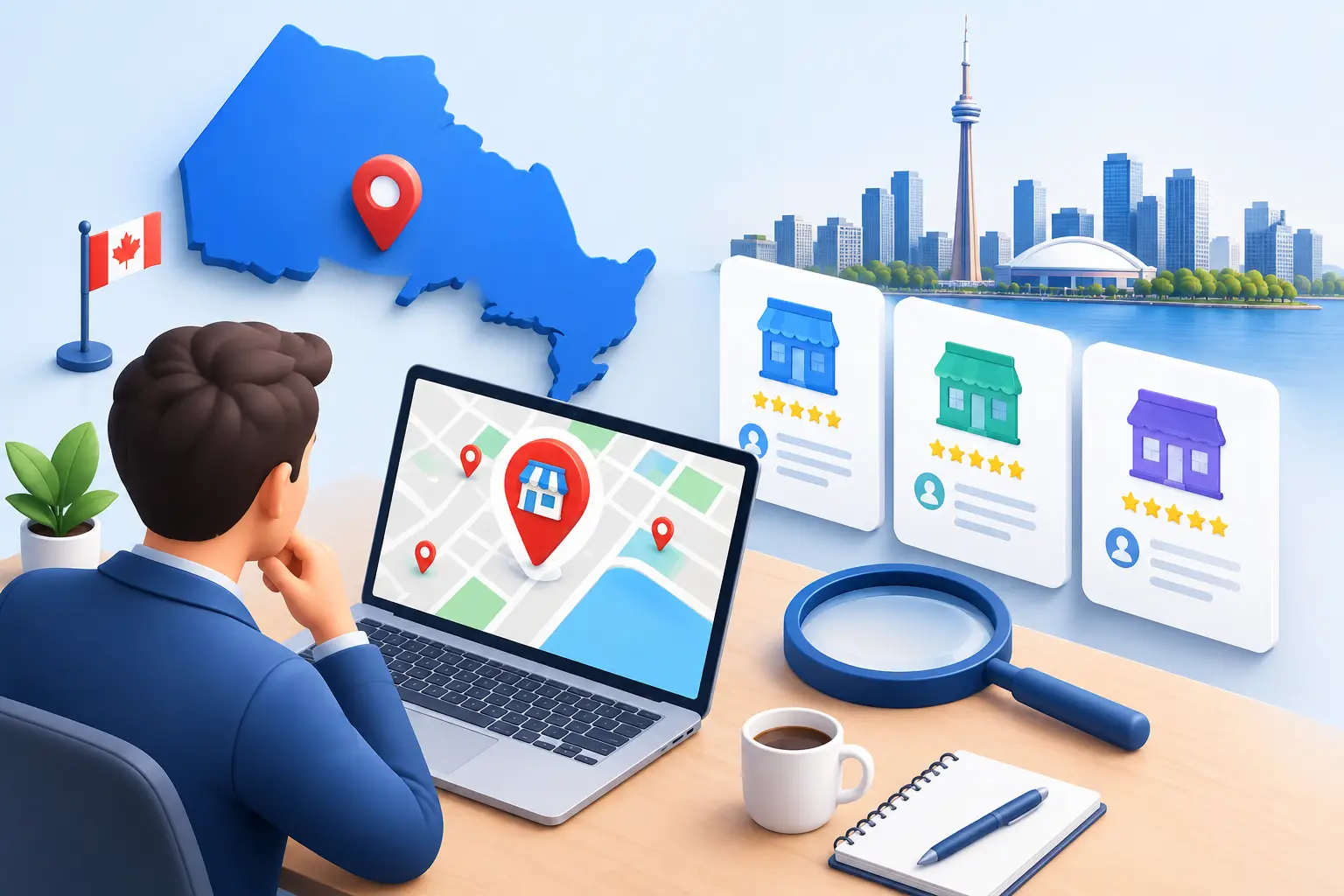
A search for the best local SEO agency usually starts after a frustrating pattern: your business does great work, but competitors with weaker service keep showing up above you on Google. The problem is rarely just your website. It is the gap between being found, being trusted, and responding quickly enough to turn a search into a booked job.
For service businesses, local SEO is not a vanity project. It should produce calls, form submissions, direction requests, appointment bookings, and a stronger pipeline. That means choosing an agency based on how well it can run the full customer-acquisition system, not how many marketing terms it can put into a proposal.
What the Best Local SEO Agency Actually Does
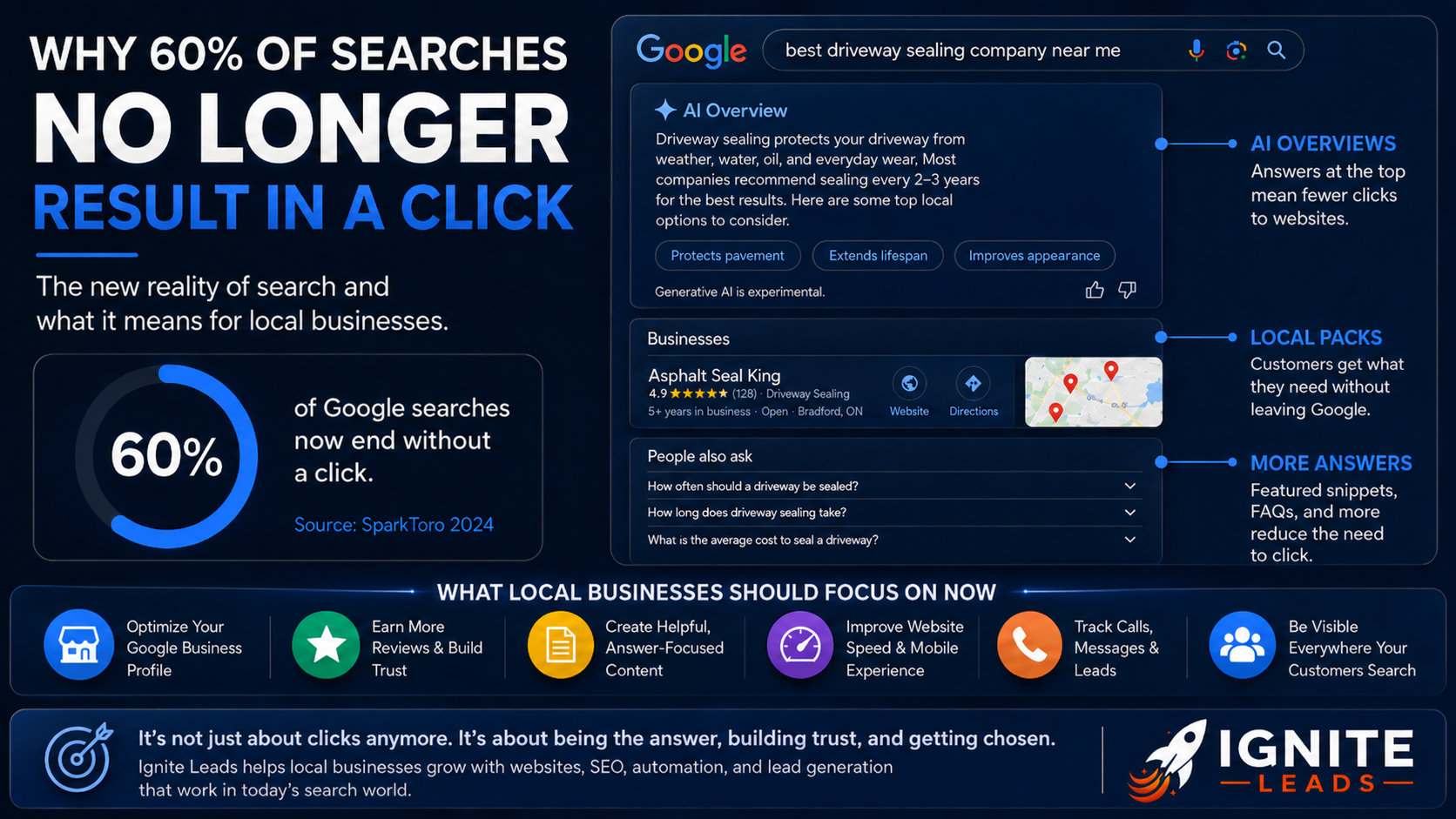
A strong local SEO partner helps your business appear when nearby customers are ready to act. That includes Google Search, Google Maps, branded searches, and the local results customers see when they look for a garage, spa, contractor, coach, or other service provider in their area.
But rankings alone do not pay the bills. A business can hold a top position and still lose leads through a slow website, a missed phone call, no review strategy, or follow-up that happens two days too late. The best agencies understand that visibility is the first stage of the sale, not the finish line.
Your agency should connect the pieces that affect local conversion: a clear website, a properly managed Google Business Profile, accurate business information, useful location and service pages, consistent review generation, lead tracking, and fast response workflows. When those pieces are handled by different vendors, gaps appear quickly. One company blames the site, another blames Google, and the owner is left chasing answers.
A coordinated system gives you one accountable team and a clearer view of what is generating customers.
Start With the Outcome You Need
Before comparing agencies, get specific about what growth means for your business. “More traffic” is too vague. A home service company may need more qualified calls for high-value jobs. A med spa may need consultation bookings. A multi-location business may need each location to generate measurable local demand without creating more admin work for staff.
The right strategy depends on your market, service area, sales cycle, and capacity. If your team is already booked for three weeks, the priority may be improving lead quality and response speed rather than simply increasing lead volume. If you are opening in a new area, building map visibility and local trust may come first.
A capable agency asks these questions early. It should want to know which services are most profitable, where you can actually serve customers, what happens after a lead arrives, and how many new jobs you can handle. If the conversation begins and ends with keyword volume, expect a narrow campaign.
Look for Local SEO Work You Can Verify
Local SEO has concrete moving parts. An agency does not need to reveal every technical detail, but it should be able to explain the work in plain language and show how it supports revenue.
For your Google Business Profile, that means accurate categories, service details, business hours, photos, posts where relevant, question management, and a process for handling reviews. It also means protecting the listing from duplicate profiles, incorrect edits, and inconsistent information that can weaken trust.
On your website, the agency should address more than basic design. Search engines and customers need to understand what you do, where you work, and why they should contact you. Service pages should be built around real customer intent, not copied city names inserted into generic paragraphs. Location pages need to be useful, accurate, and connected to an actual service strategy.
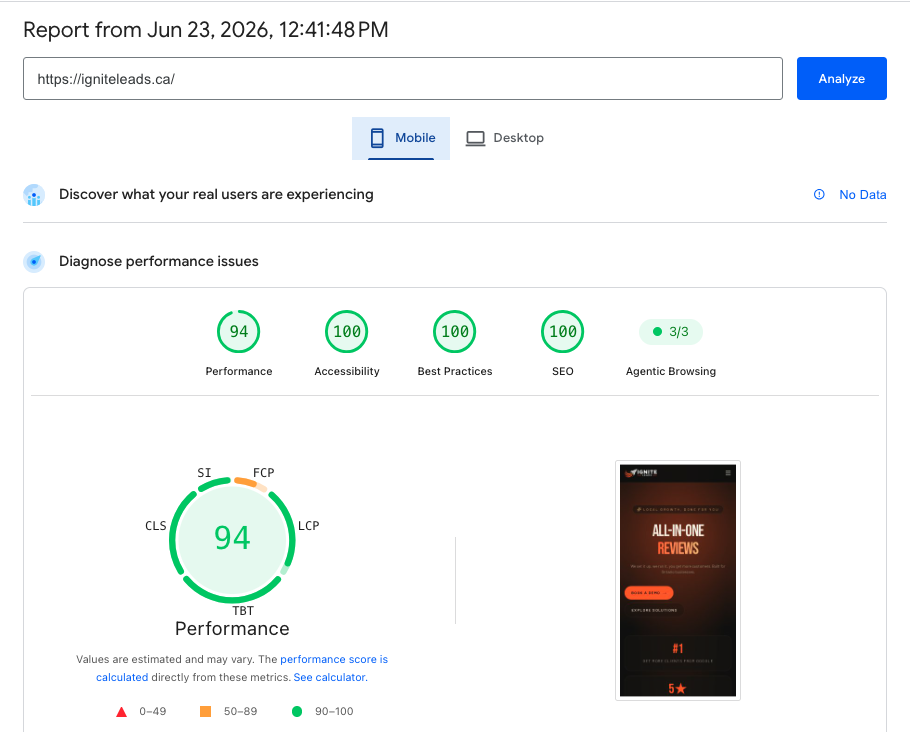
Technical fundamentals matter too. A slow, confusing, or mobile-unfriendly site gives potential customers a reason to leave before they call. For local businesses, that is not a small issue. Many searches happen on a phone, often when someone needs help immediately.
Ask an agency to walk you through its approach to profile management, website improvements, local content, review generation, and reporting. Clear answers are a good sign. Vague claims about “secret methods” are not.
Rankings Are Useful, but Leads Are the Standard
Rankings matter because they create opportunities. They should not be the only number you see in a report.
A useful local SEO report tracks visibility alongside actions that move the business forward: calls, contact forms, appointment requests, direction requests, booked jobs, review growth, and lead response times. Where possible, it should help you identify which channels and services are producing the best return.
This is where many SEO campaigns fall short. The agency reports a ranking improvement for a keyword that has little commercial value, while the business owner still cannot tell whether more customers are coming through the door. A better partner ties marketing activity to the operational result you care about.
There are limits, of course. Not every phone call becomes a job, and not every customer journey can be attributed perfectly. Seasonality, pricing, staff availability, and your sales process all affect outcomes. Still, your agency should make the numbers clearer, not hide behind dashboards filled with irrelevant data.
Ask How They Handle Reviews and Follow-Up
Reviews are not an optional add-on for most local businesses. They affect trust, map visibility, click-through rates, and the decision a customer makes when comparing three similar providers.
The right agency builds a practical review process into your daily operations. That may involve automated requests sent after a completed service, reminders that do not feel pushy, and a simple way for your team to monitor and respond to feedback. The goal is consistent, genuine reviews from real customers, not sudden spikes that look suspicious or requests that staff forget to send.
Then consider what happens to a new lead. If someone calls after hours, submits a form during a busy job, or messages from your website, who responds and how quickly? A ranking cannot compensate for an unanswered inquiry.
For service businesses in Barrie, Newmarket, Aurora, and Vaughan, speed-to-lead can be a major advantage in competitive categories. AI chat, automated text responses, CRM workflows, and call handling can give prospects an immediate next step while your team is serving existing customers. Automation should support real service, not make your business feel unreachable.
Watch for Common Agency Red Flags
No agency can honestly guarantee a permanent number-one ranking. Google results change based on location, competition, search behaviour, proximity, and ongoing platform updates. Be cautious when an agency promises a specific position without first understanding your market.
You should also question long contracts that lock you in before the agency has delivered meaningful work. Local SEO takes time, particularly in competitive markets, but that does not justify unclear commitments or reporting that never connects to results.
Other warning signs include ownership problems. Your business should retain access to its website, domain, Google Business Profile, analytics, and advertising accounts. If a relationship ends, you should not lose the digital assets your business depends on.
Finally, be careful with agencies that sell SEO as a standalone fix while ignoring conversion. More traffic sent to a weak website and slow follow-up process can create more waste, not more revenue.
Choose a Partner That Can Run the Whole System
The best local SEO agency for a small or mid-sized service business is often the one that reduces complexity. You need more than a list of completed tasks each month. You need a growth system that brings the right people in, captures their details, responds quickly, and gives your team a reliable way to follow up.
That is why an integrated approach can outperform a collection of disconnected tools. Your website should support your Google visibility. Your reviews should strengthen trust. Your CRM should prevent leads from being forgotten. Your chat and phone handling should reduce missed opportunities. Each part should make the next part work better.
At Ignite Leads, that means managing local visibility, conversion, reputation, and follow-up as one coordinated system rather than asking owners to juggle multiple platforms and providers. The point is not to add more software to your day. It is to make customer acquisition easier to control.
Questions Worth Asking Before You Sign
A good agency should be comfortable answering direct questions. Ask how it measures qualified leads, who owns your digital assets, what work is completed in the first 90 days, and how often you will review performance. Ask how it handles Google Business Profile issues, review requests, website conversion improvements, and leads that arrive after business hours.
Also ask what it needs from your team. The best relationship is not completely hands-off, because your agency will need accurate service information, access to key accounts, and feedback on lead quality. But the workload should be reasonable. You should not be writing pages, chasing reviews, or trying to configure automations that you hired someone else to manage.
Choose the partner that makes the plan easy to understand and the next step easy to take. More calls are valuable only when your business has a system ready to answer them.
Allan Heath
Founder of Ignite Leads. Helps local businesses grow through SEO, lead generation, and marketing automation — simplifying the playbook so owners can focus on the work.