Article
Best SEO Services for Small Business That Work
October 17, 2026 • 7 min read

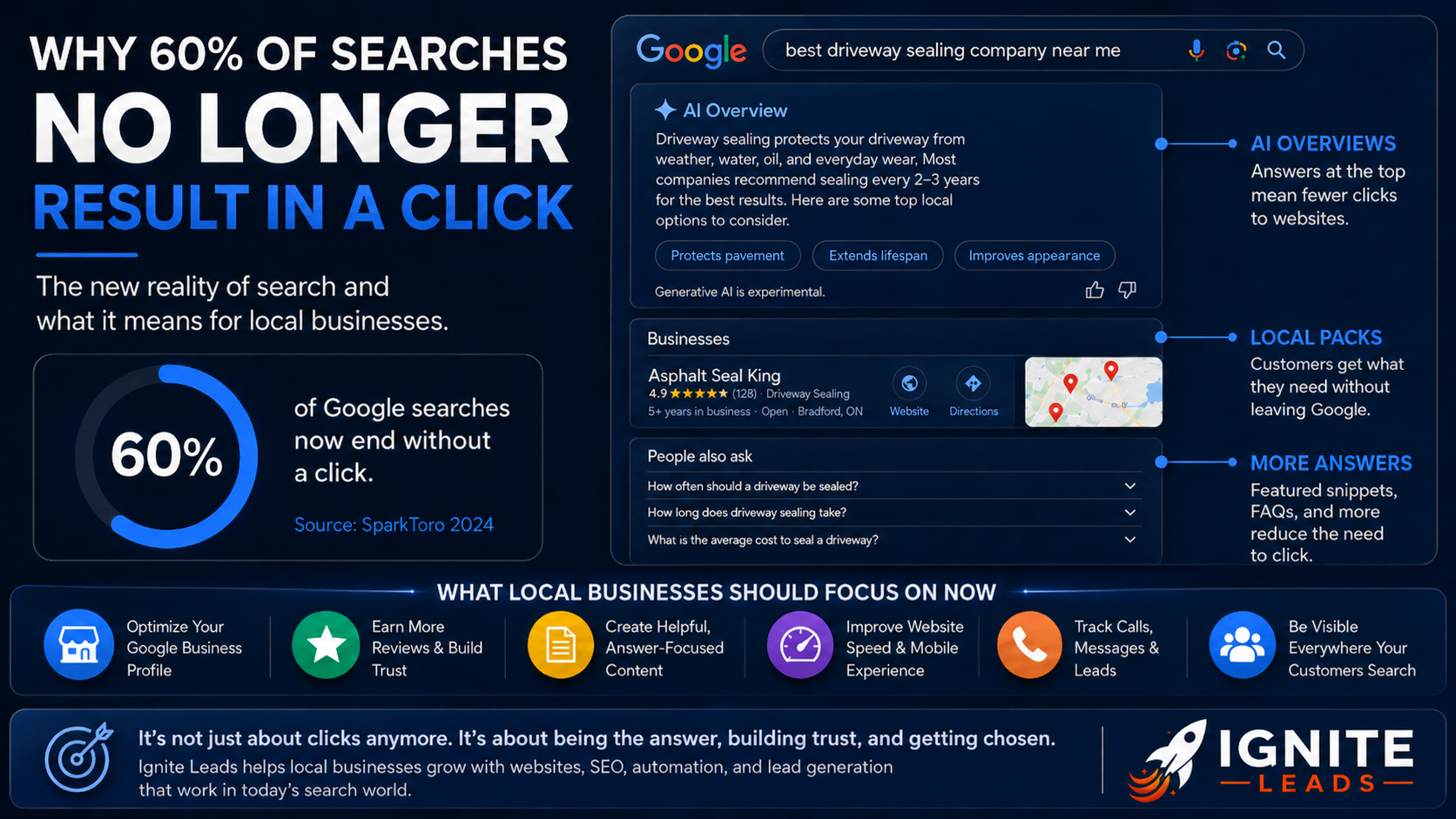
A homeowner with a leaking pipe is not researching marketing strategies. They are typing “emergency plumber near me” into Google, calling the first credible option, and moving on. That is why the best seo services for small business are not about traffic for its own sake. They are about showing up when local buyers are ready to call, book, or request a quote.
For service businesses, SEO only works when it connects visibility to lead handling. A top ranking has limited value if your website is slow, your reviews are thin, or a prospect waits three hours for a reply. The right service builds the full path from Google search to booked customer.
What the Best SEO Services for Small Business Include
Small business SEO is often sold as a monthly package with vague promises of keywords and backlinks. That is not enough. Local rankings depend on several connected signals, and the best providers manage the pieces that affect both Google visibility and conversion.
Start with Google Business Profile management. For a garage in Vaughan, a spa in Aurora, or a home service company in Barrie, the map results can generate more calls than a standard website ranking. Your profile needs accurate categories, services, hours, photos, business details, regular updates, and a process for responding to reviews. It also needs consistency with the information shown on your website and across local directories.
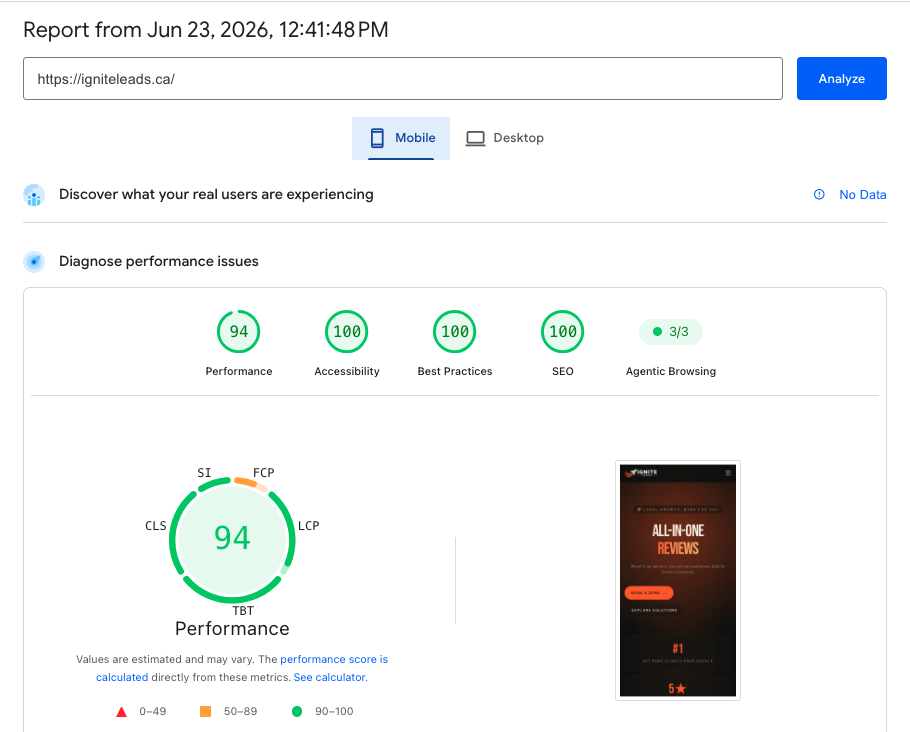
Your website matters just as much. Google needs to understand what you do and where you serve. A customer needs to understand, within seconds, why they should contact you. Strong local SEO includes service pages built around real customer intent, clear location relevance, fast mobile performance, prominent calls to action, and forms that work properly. A beautiful website that does not create enquiries is a cost, not a growth asset.
Review generation should be part of the service, not an afterthought. Reviews help improve trust in search results and can influence local visibility. More importantly, they reduce hesitation. A prospective customer comparing two similar businesses will usually choose the one with current, credible feedback and thoughtful responses. The process should be automated enough that your team can request reviews consistently without chasing every customer manually.
The core components should work together:
- Google Business Profile optimization and ongoing management
- Local service and location pages designed to rank and convert
- Technical website fixes for speed, mobile usability, and crawlability
- A reliable review request and reputation management system
- Local citations and business information cleanup
- Reporting tied to calls, forms, bookings, and qualified leads
If a provider offers only one piece, such as directory listings or blog posts, they may help at the margins. They are unlikely to build a dependable local lead engine on their own.
Do Not Buy Rankings Without a Conversion System
The most common SEO mistake is separating marketing from follow-up. An agency reports more impressions and rankings, while the owner still sees missed calls, abandoned forms, and leads that go cold after business hours.
Local buyers often contact multiple companies. The business that responds first has a meaningful advantage, especially for urgent services. Your SEO partner should understand what happens after the click. Can a visitor call from a mobile device easily? Does a form submission trigger an immediate confirmation? Is someone notified when a lead arrives? Can an AI chat or voice receptionist capture basic details when your team is busy?
This does not mean every small business needs a complicated software stack. It means the stack should remove delay. For many operators, the right setup is a simple website, a properly managed Google profile, automated review requests, a central inbox or CRM, and fast lead response. The customer experience should feel easy, even if the system behind it is sophisticated.
This is where integrated providers can outperform specialists. Ignite Leads, for example, combines local visibility with website conversion, reputation tools, CRM automation, and AI-assisted reception. The point is not to add more technology. The point is to stop leads from falling through gaps between disconnected tools and vendors.
How to Evaluate an SEO Provider Before You Sign
Ask direct questions before committing to a monthly service. A good provider will answer clearly, explain the work in plain language, and connect each activity to a business result.
First, ask what they will actually do in the first 90 days. “Improve SEO” is not an answer. You should hear specific actions such as auditing the existing site, correcting technical issues, improving key service pages, optimizing your Google profile, resolving inconsistent listings, and setting up tracking. SEO takes time, but a capable team can make meaningful progress early by fixing obvious barriers.
Next, ask how success will be measured. Rankings matter, but they are not the final score. Your reports should show changes in calls, form submissions, booked appointments, direction requests, and lead quality where possible. A number one ranking for a low-intent search term does not pay payroll. A steady increase in qualified estimate requests does.
Ask who owns the website, content, accounts, and data. Your Google Business Profile should belong to your business. Your domain should remain under your control. If you leave a provider, you should not lose access to the digital assets you paid to build. This is a practical safeguard that too many owners overlook.
Finally, ask how the service adapts to your market. A contractor, coach, auto shop, and med spa may all want more local leads, but the path to conversion differs. Emergency services need speed and click-to-call functionality. Appointment-based businesses need booking flow and review volume. Higher-ticket services may need stronger proof, quote forms, and follow-up sequences. The strategy should reflect how your customers decide.
What Small Businesses Should Expect to Pay
There is no single fair price for SEO because the workload depends on competition, service area size, website condition, and business goals. A business targeting one town with a focused service offering has a different need than a multi-location company competing across the Greater Toronto Area.
Be cautious with very cheap packages that promise dozens of keywords, hundreds of backlinks, or instant first-page rankings. Low-cost SEO often relies on generic work performed at scale. It may create little impact, and aggressive tactics can create problems that take months to repair.
At the other end, a high monthly fee is not automatically proof of quality. What matters is whether the scope includes the work required to create revenue: technical improvements, local optimization, content built around service intent, review systems, conversion improvements, and accountable reporting. For many small businesses, flexible month-to-month service is valuable because it keeps the provider focused on execution rather than locking the owner into a long contract.
Treat SEO as an operating investment, not a one-time project. Your competitors can update their websites, collect reviews, and improve their profiles every month. Maintaining visibility requires ongoing attention, especially in competitive local categories.
Red Flags That Cost Small Businesses Leads
Be wary of guaranteed rankings. No ethical provider controls Google's algorithm, local competition, or how search results change. A credible partner can set realistic targets, explain the opportunity, and show the work being done. They should not sell certainty where none exists.
Avoid reports filled only with vanity metrics. If a monthly report shows impressions, clicks, and keyword positions but never discusses leads, calls, or conversion rates, you are missing the commercial picture. Traffic can rise while sales stay flat.
Another warning sign is silence around reviews and response time. Local SEO is not just a technical task. Your reputation and ability to respond quickly affect whether search visibility becomes revenue. A provider that ignores these areas is optimizing only part of the customer journey.
Build for the Searches That Pay
The best SEO strategy is usually narrower than owners expect. You do not need to rank for every phrase related to your industry. You need to win the searches most likely to produce profitable work in the areas you can serve well.
Start by identifying your highest-value services, the neighbourhoods or towns that make operational sense, and the questions customers ask before contacting you. Then build pages, reviews, profile content, and follow-up around those priorities. This creates a system that attracts better-fit leads instead of simply producing more noise.
Choose an SEO service that can show you what happens from search to enquiry to booked work. When visibility, reputation, website conversion, and response time are managed together, local marketing becomes far easier to control. The next useful step is not chasing a bigger keyword list. It is finding the point where good prospects are currently dropping out and fixing it first.
Allan Heath
Founder of Ignite Leads. Helps local businesses grow through SEO, lead generation, and marketing automation — simplifying the playbook so owners can focus on the work.