Article
9 Best Ways to Earn Reviews for Local Businesses
November 8, 2026 • 7 min read
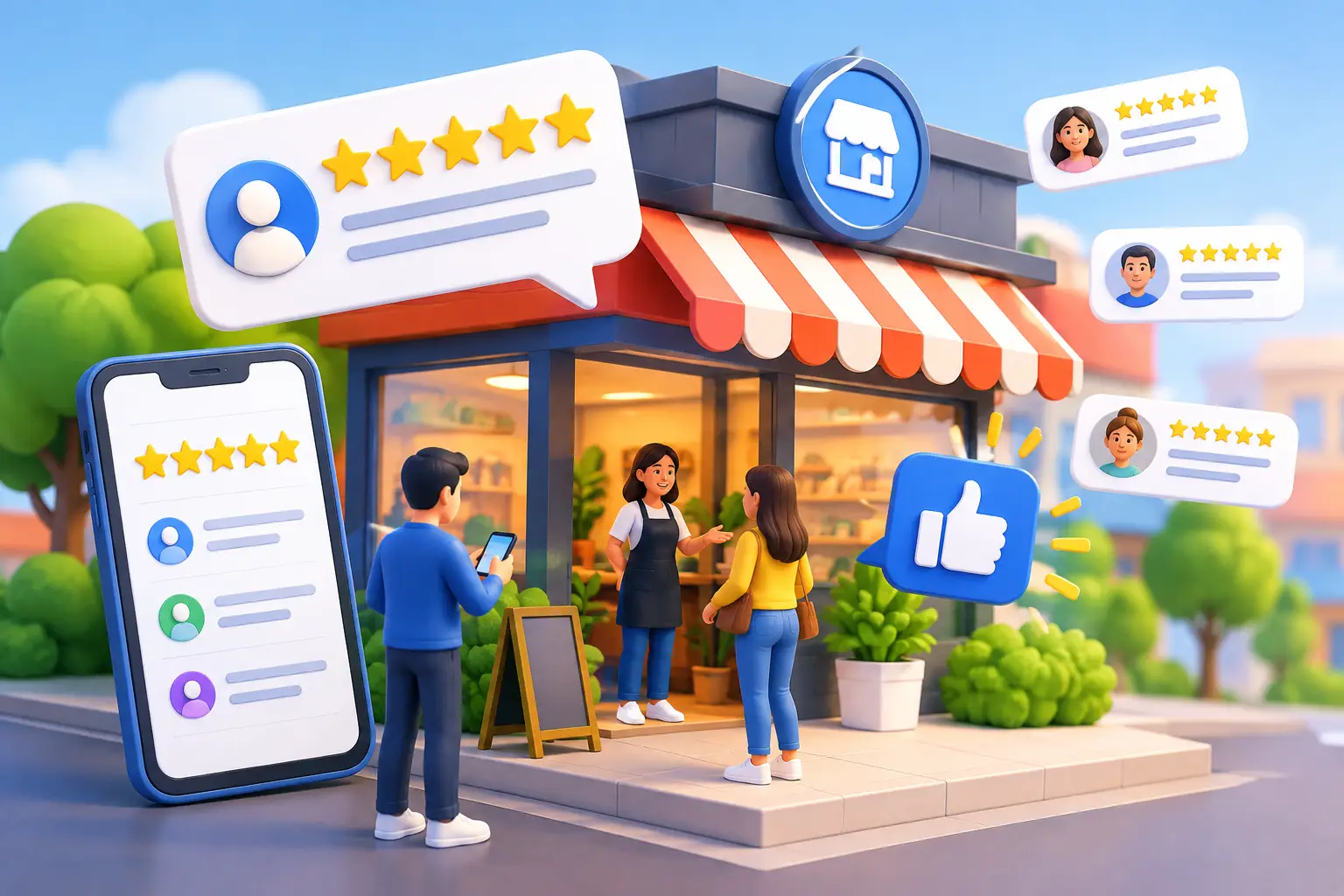
A local customer searching for a garage, spa, contractor, or coach is not reading every word on your website. They are checking your rating, scanning recent comments, and deciding whether other people trust you. The best ways to earn reviews are not about begging customers or buying shortcuts. They are about building a reliable process that asks happy customers at the right moment, through the channel they already use.
For service businesses, reviews do more than protect your reputation. They improve local visibility, reduce hesitation before a customer calls, and give prospects proof that you deliver. A five-star rating is useful. A steady stream of recent, specific reviews is what turns that rating into more booked work.
Why reviews need a system, not a reminder
Most businesses collect reviews inconsistently because the process depends on someone remembering. The owner means to ask. The technician plans to send a link later. The front desk gets busy. Then a great customer experience produces no public proof at all.
That approach leaves revenue on the table. A strong review system makes the request part of the customer journey, not an optional marketing task. Every completed job, appointment, delivery, or successful outcome should trigger the same simple follow-up process.
The goal is not to pressure every customer into leaving five stars. It is to make it easy for satisfied customers to share an honest experience while giving unhappy customers a fast way to contact you directly. That creates a healthier reputation and gives your team a chance to fix problems before they become public complaints.
The best ways to earn reviews consistently
Ask at the moment value is clear
Timing matters more than most businesses realize. Ask too early and the customer has not experienced the result. Ask too late and the positive moment has passed.
For a home service company, that moment may be after the job is complete and the customer has approved the work. For an auto shop, it may be when the vehicle is picked up and running properly. For a spa, clinic, or coaching business, it may be after a successful appointment or milestone.
Train your team to recognize that moment and make a simple, direct ask: “If you were happy with the service today, would you mind sharing a quick review?” The best requests are brief, personal, and made when the customer is already expressing satisfaction.
Use SMS first when it fits your customers
Text messages are hard to ignore and easy to act on. For many local service businesses, an SMS review request gets seen faster than an email and allows the customer to leave feedback while the experience is still fresh.
Keep the message short. Thank the customer, mention the service, and provide one clear action. Do not make them search for your profile, create an account they do not need, or navigate through several pages. Every extra step lowers completion rates.
A practical message might say: “Thanks for choosing us today. If we earned it, we would appreciate a quick Google review. Your feedback helps other local customers find us.”
Use the customer’s preferred communication channel and get appropriate consent for text messaging. If your client base is more email-oriented, email may perform better. The right channel depends on how customers already communicate with your business.
Make the review link impossible to miss
A customer who wants to leave a review should be able to do it in seconds. Your Google review link should be ready for staff, automated messages, invoices, and post-service follow-ups.
Avoid sending customers vague instructions such as “Please find us on Google.” That creates friction and reduces action. A direct link or QR code takes them to the right place immediately.
QR codes work especially well at physical locations. Place one on a clean sign at reception, on a countertop card, or on a printed thank-you insert. They are less effective when they are the only method available after an off-site service call. In that case, an SMS follow-up is usually the better option.
Automate the follow-up without making it robotic
Manual review requests break down when business gets busy. Automation ensures no completed customer experience disappears without a follow-up.
Set a trigger based on a real business event: a job marked complete, an invoice paid, an appointment attended, or a service ticket closed. Then send a request shortly afterward. If there is no response, one polite reminder can help. More than that can feel pushy and damage trust.
Automation should handle the consistency, but the wording should still sound like your business. Use the customer’s first name when your system supports it. Reference the service they received. Keep the message professional and local, not like a mass marketing campaign.
A managed system can also route feedback intelligently. A customer who reports a problem should be directed to your team for resolution, while customers who indicate a positive experience can be invited to post publicly. The purpose is better service recovery, not hiding legitimate criticism.
Give your staff a clear role in the process
Your team has more influence on reviews than your marketing software does. Customers respond to people who made their experience easy, solved a problem, or delivered good work.
Make review collection part of normal operating procedures. Technicians can mention it at job completion. Front-desk staff can point customers to the QR code. Account managers can ask after a successful project handoff. The request works best when it comes naturally after the customer has received clear value.
Do not create pressure-based incentives that encourage staff to chase only perfect ratings. Instead, measure whether the process was followed: Was the job completed? Was the customer sent a request? Was negative feedback flagged quickly? This keeps the focus on consistency and customer experience.
Respond to every review, especially the difficult ones
Earning reviews is only half the job. Responding shows future customers that there are real people behind the business.
Thank positive reviewers by name when appropriate and refer to the service without sharing private details. A short, genuine response is enough. It reinforces the relationship and gives prospective customers more context about what you do well.
Negative reviews require a calmer approach. Do not argue, blame the customer, or reveal personal information. Acknowledge the concern, state that you take it seriously, and invite the customer to contact you directly so you can resolve it. A professional response will not erase the complaint, but it can protect trust with everyone reading it.
Ask for detail, not just stars
A review that says “Great service” helps. A review that says “They arrived on time in Barrie, explained the repair clearly, and had our furnace working the same day” does much more.
Detailed reviews give prospects confidence and naturally reinforce the services and locations you want to be known for. You should never script customer reviews or tell people what rating to leave. You can, however, make the request more useful by asking a simple question: “What did you find most helpful about working with us?”
That prompt gives customers an easy starting point and often leads to more specific feedback.
Build review requests into every customer handoff
The most dependable businesses do not treat reviews as a separate campaign. They build the request into the handoff points already happening in the business: job completion, payment confirmation, appointment follow-up, delivery notice, or a thank-you message.
This is where disconnected tools create problems. If your booking platform, CRM, invoicing, and customer communications are separate, requests get missed. When the system is connected, a completed customer interaction can automatically trigger the next step without your staff chasing spreadsheets.
For owners who do not want another software project, Ignite Leads can manage the review generation workflow alongside local visibility, lead follow-up, and customer communication. The practical result is simple: more real feedback collected while your team stays focused on serving customers.
What not to do when asking for reviews
Do not buy reviews, post reviews for your own business, or ask friends who were not real customers to leave feedback. These tactics can damage credibility and may violate platform rules.
Do not offer rewards only for positive reviews. You can thank customers for their time, but paying for five stars creates a trust problem and can produce feedback that looks forced. Also avoid review gating that prevents unhappy customers from posting publicly. Use private feedback to resolve service issues, not to suppress honest opinions.
Finally, do not send customers a long, generic email weeks after they dealt with you. The request should be fast, relevant, and easy to complete.
Measure the results that affect revenue
Track more than your average star rating. Watch how many requests are sent, what percentage become reviews, how quickly reviews arrive after service, and whether the comments mention key services or customer benefits.
Also monitor outcomes that matter to the business: calls from your Google Business Profile, direction requests, appointment bookings, and close rates. Reviews are reputation assets, but their real value is helping the next customer choose you over a competitor.
Start with one service workflow this week. Pick the point where customers are happiest, create a simple request, and make sure every completed job triggers it. Consistent proof beats occasional bursts of effort, and it gives local customers a clear reason to call you first.
Allan Heath
Founder of Ignite Leads. Helps local businesses grow through SEO, lead generation, and marketing automation — simplifying the playbook so owners can focus on the work.