Article
What a Done for You Local Marketing System Does
July 26, 2026 • 6 min read

Most local businesses do not have a lead problem first. They have a system problem. A customer finds your business, calls after hours, receives no answer, and books with the competitor who replies in two minutes. A done for you local marketing system fixes the gaps between getting found, capturing the enquiry, following up, and turning interest into booked work.
That matters when you run a garage, spa, home service company, coaching practice, or any service business where every missed call can mean hundreds or thousands in lost revenue. More marketing activity is not the answer if your website, Google presence, reviews, inbox, and follow-up tools are all working separately. You need one managed system built around the outcome that matters: more qualified local customers on your calendar.
What a done for you local marketing system includes
A real system is not a bundle of software logins handed to your team. It is a coordinated process that gets set up, managed, and improved for you. Each part should support the next step in the customer journey.
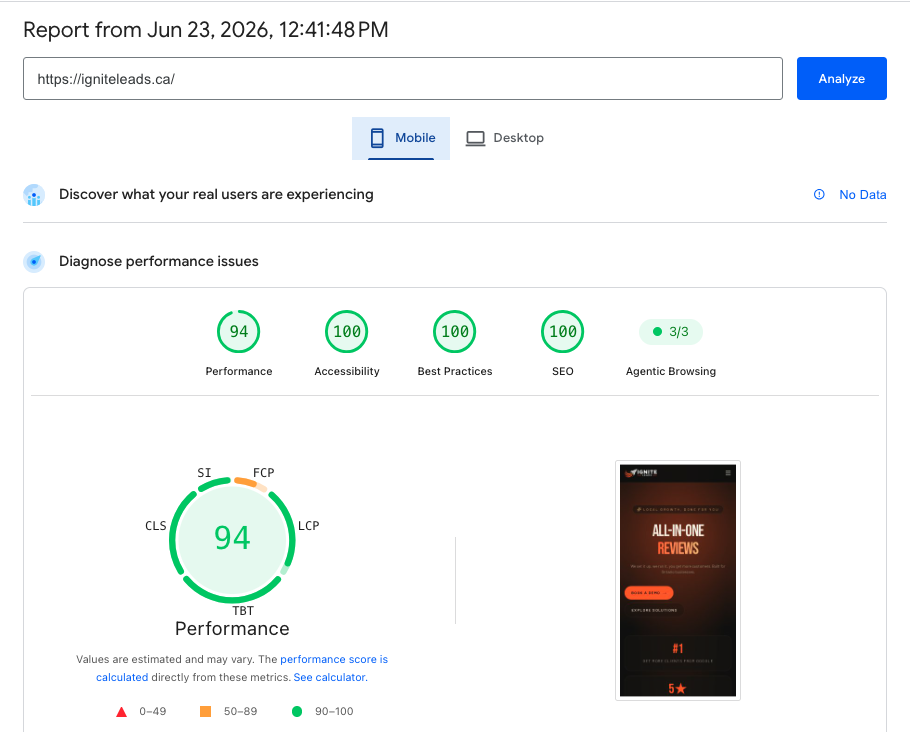
It starts with a website designed to convert local visitors. That means clear service pages, fast mobile performance, straightforward calls to action, and booking or contact paths that do not make people work to reach you. A low-cost website is only useful when it supports sales, not when it becomes another project your staff has to manage.
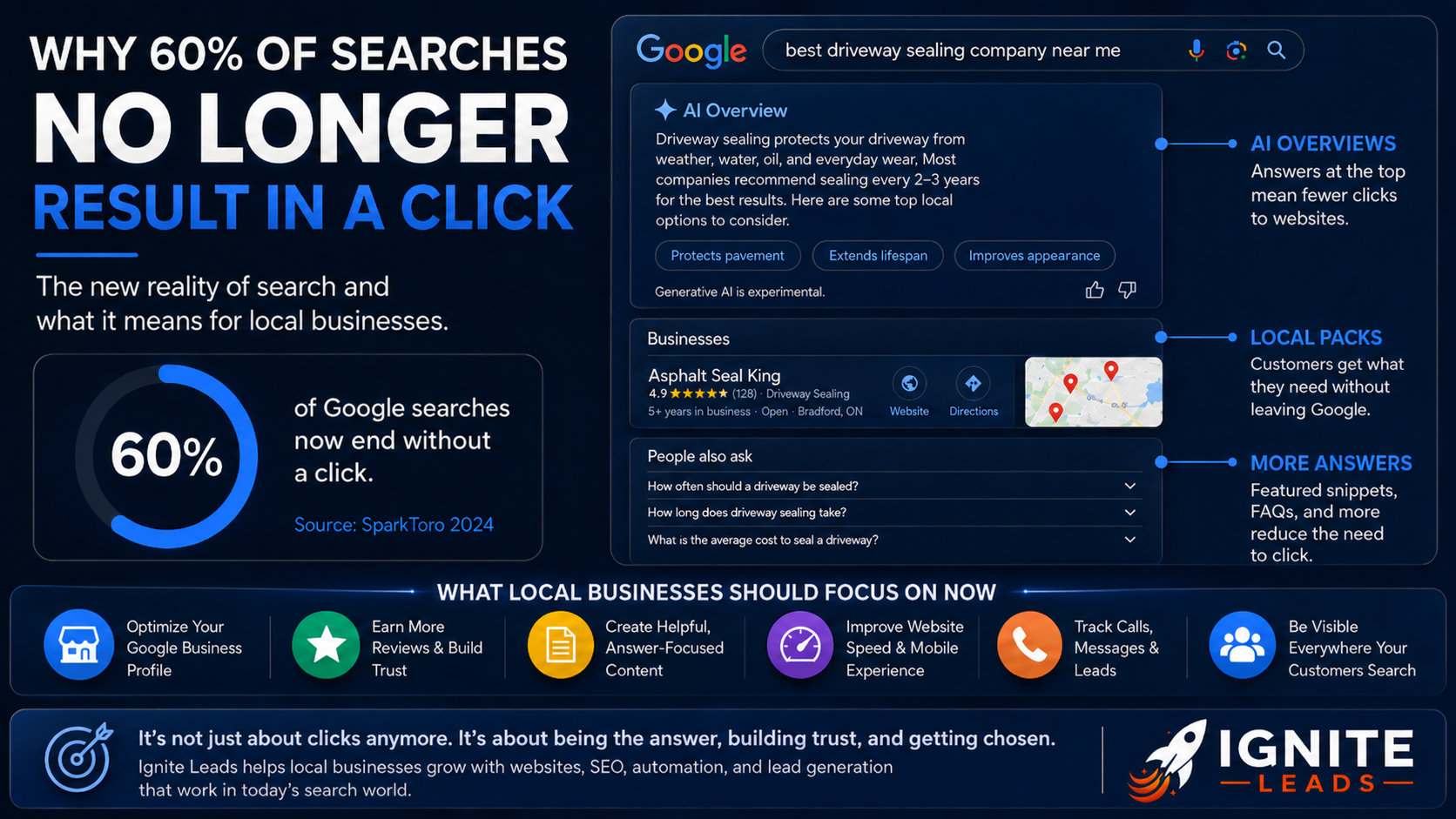
Next comes local visibility. Your Google Business Profile, service-area content, on-page SEO, and local signals should make it easier for people nearby to find you when they are ready to buy. For a business in Barrie, Newmarket, Aurora, or Vaughan, visibility is not about attracting traffic from across Canada. It is about appearing when a nearby customer searches for the service you provide.
Reputation is part of that visibility and conversion process. Prospects compare ratings before they call. A consistent review-generation process helps you ask satisfied customers at the right moment, collect feedback without chasing people manually, and respond professionally when reviews arrive. Strong reviews build trust before your team ever speaks to a lead.
Then comes the part many businesses overlook: speed-to-lead. A form submission, web chat, missed call, or social message needs an immediate response and a clear path into your CRM. Automated text and email follow-up can acknowledge the request, answer basic questions, and prompt the prospect to choose a time. AI chat and voice reception can also handle first contact when your staff is busy serving customers.
Finally, the system needs reporting. Not vanity metrics. You should be able to see where leads came from, whether they were contacted, how quickly they received a response, and how many became appointments or customers. That is how marketing becomes an operating system instead of an expense you hope is working.
Why disconnected tools cost local businesses leads
Many owners already pay for a website platform, a review tool, a CRM, ad hoc SEO, and perhaps a receptionist service. The problem is not always the individual tool. The problem is ownership and coordination.
If nobody owns the handoff between those tools, leads fall through it. A website form may send an email that sits unread. A missed call may never enter the CRM. A customer may get one generic follow-up message and then disappear. Reviews may be requested inconsistently, so your rating does not reflect the quality of work you actually deliver.
That creates a frustrating cycle. The owner spends more on ads or asks for more SEO, but the business is still slow to reply and difficult to book. Marketing appears expensive because the conversion process is weak.
A managed local marketing system puts one team in charge of the full path. The website is connected to lead capture. Lead capture triggers follow-up. Follow-up drives booking. Reviews reinforce local trust. Reporting shows what needs attention. Instead of asking five vendors why leads are down, you have a single accountable growth partner managing the moving parts.
The operational benefit: less marketing work for your team
Local business owners rarely need another dashboard. They need fewer tasks and better outcomes.
A done-for-you approach removes the work that usually gets delayed during busy weeks: updating service pages, checking local ranking issues, building follow-up sequences, reviewing missed calls, requesting reviews, and improving conversion points. Your team still needs to answer service-specific questions and deliver excellent work. But they should not have to become SEO specialists, automation builders, or CRM administrators to keep leads moving.
This is especially valuable for businesses with small front-office teams. A receptionist may be excellent at helping customers in person but unable to answer every call while processing payments, coordinating technicians, and handling walk-ins. AI-assisted reception and automated responses give new enquiries a fast first touch, while your team takes over when a conversation requires human judgement.
Automation should not make your business sound robotic. It should handle repeatable steps quickly, use clear language, and route complex conversations to the right person. The goal is not to replace your team. It is to stop good leads from waiting while your team is doing work only they can do.
What to expect from the setup process
A system only performs when it is built around how your business actually sells. A plumber, an aesthetic clinic, and a business coach do not handle leads in the same way. The implementation should begin with your services, service area, ideal jobs, availability, and current lead sources.
Your provider should then build the foundation: website pages, local SEO structure, lead forms, CRM pipeline stages, call tracking, review requests, and follow-up automation. This is where done-for-you service earns its value. You should be asked for approvals and business details, not expected to configure every integration yourself.
Once live, the work shifts to optimization. Which service pages generate calls? Are people abandoning the booking form? Are missed calls being returned quickly? Do certain areas or services produce stronger customers? The answers guide practical adjustments to content, messaging, intake workflows, and follow-up timing.
Results are not identical for every business. A company in a competitive category may need more time to build local authority. A business with poor response times may see an immediate lift simply by replying faster. Seasonality, offer quality, pricing, and capacity all affect lead volume. The right partner will be direct about those factors rather than promising instant rankings or unlimited customers.
How to judge whether the system is working
Do not judge performance by traffic alone. More visitors do not help if they are outside your service area or never make contact. Focus on business-level signals: qualified calls, form submissions, booked appointments, quote requests, review volume, response time, and the percentage of leads that become customers.
You should also look for fewer manual gaps. Are enquiries automatically recorded? Does every lead receive a timely response? Can staff see the conversation history before returning a call? Are review requests happening after completed jobs? These operational improvements protect revenue even before your rankings move significantly.
A practical system should also fit your budget and flexibility. Month-to-month service can make sense for local businesses that want accountability without being locked into a long contract. But low monthly pricing is not enough on its own. Confirm what is actively managed, what is included in setup, who handles changes, and how results are reported.
Ignite Leads approaches local growth as one connected system because that is how customers experience your business. They do not separate your website from your reviews or your response time. They simply decide whether you are easy to find, easy to trust, and easy to book.
The next missed call is not a marketing metric. It is a customer deciding whether to move on. Put a system in place that gives that customer a clear reason to stay.
Allan Heath
Founder of Ignite Leads. Helps local businesses grow through SEO, lead generation, and marketing automation — simplifying the playbook so owners can focus on the work.