Article
Google Maps SEO Vaughan for More Local Calls
October 1, 2026 • 7 min read
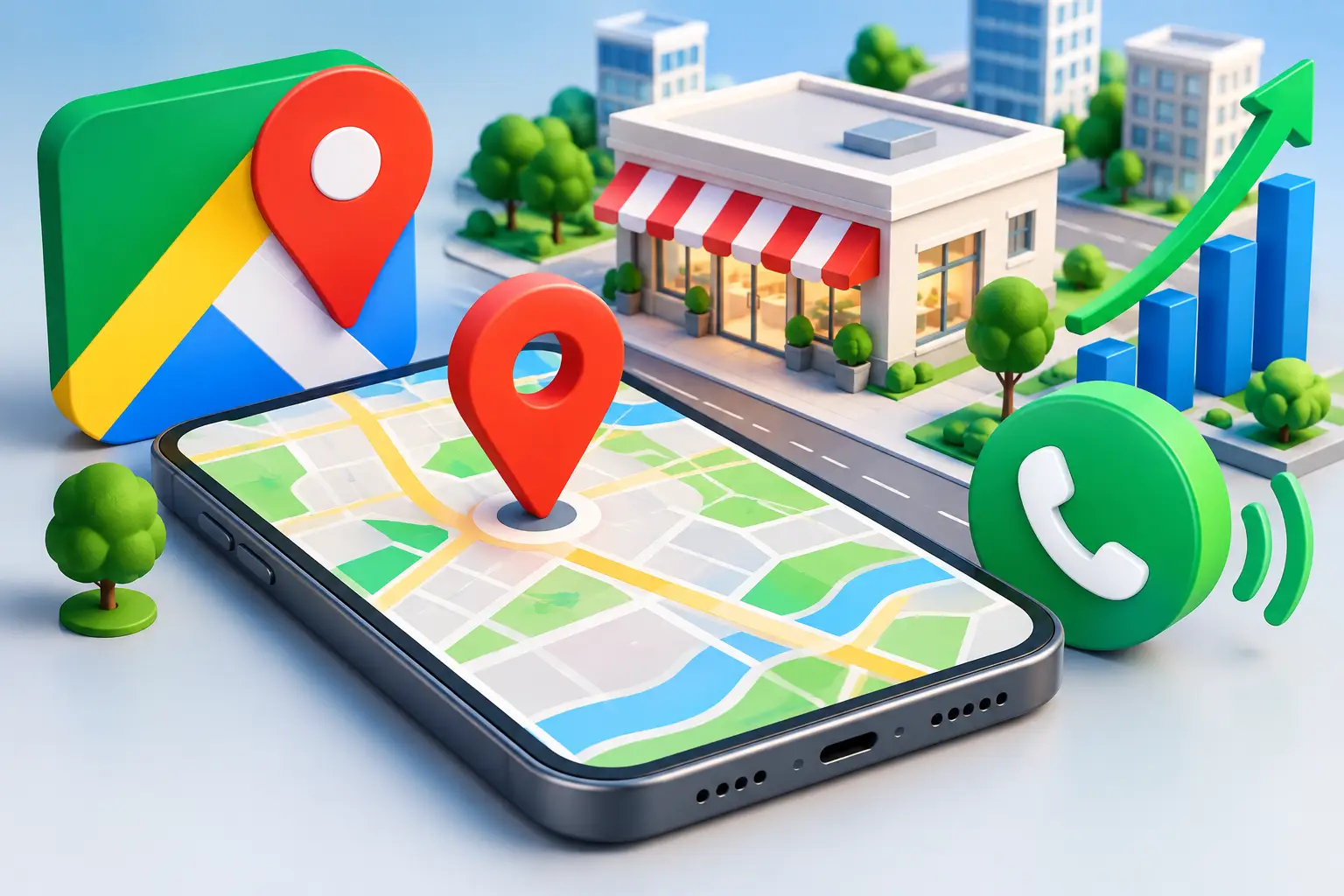
A Vaughan homeowner searching for a plumber, auto repair shop, med spa, or contractor is not looking for a marketing funnel. They are looking for a business they can call now. Google Maps SEO Vaughan is how your company earns visibility at that exact moment, before a prospect scrolls past you to a competitor with better reviews, clearer information, or a stronger local presence.
For service businesses, Maps visibility is not a vanity metric. It drives calls, direction requests, website visits, quote requests, and booked appointments. The businesses that show up consistently in the map results tend to have one thing in common: their local marketing system is actively managed, not set up once and forgotten.
Why Google Maps Matters for Vaughan Service Businesses
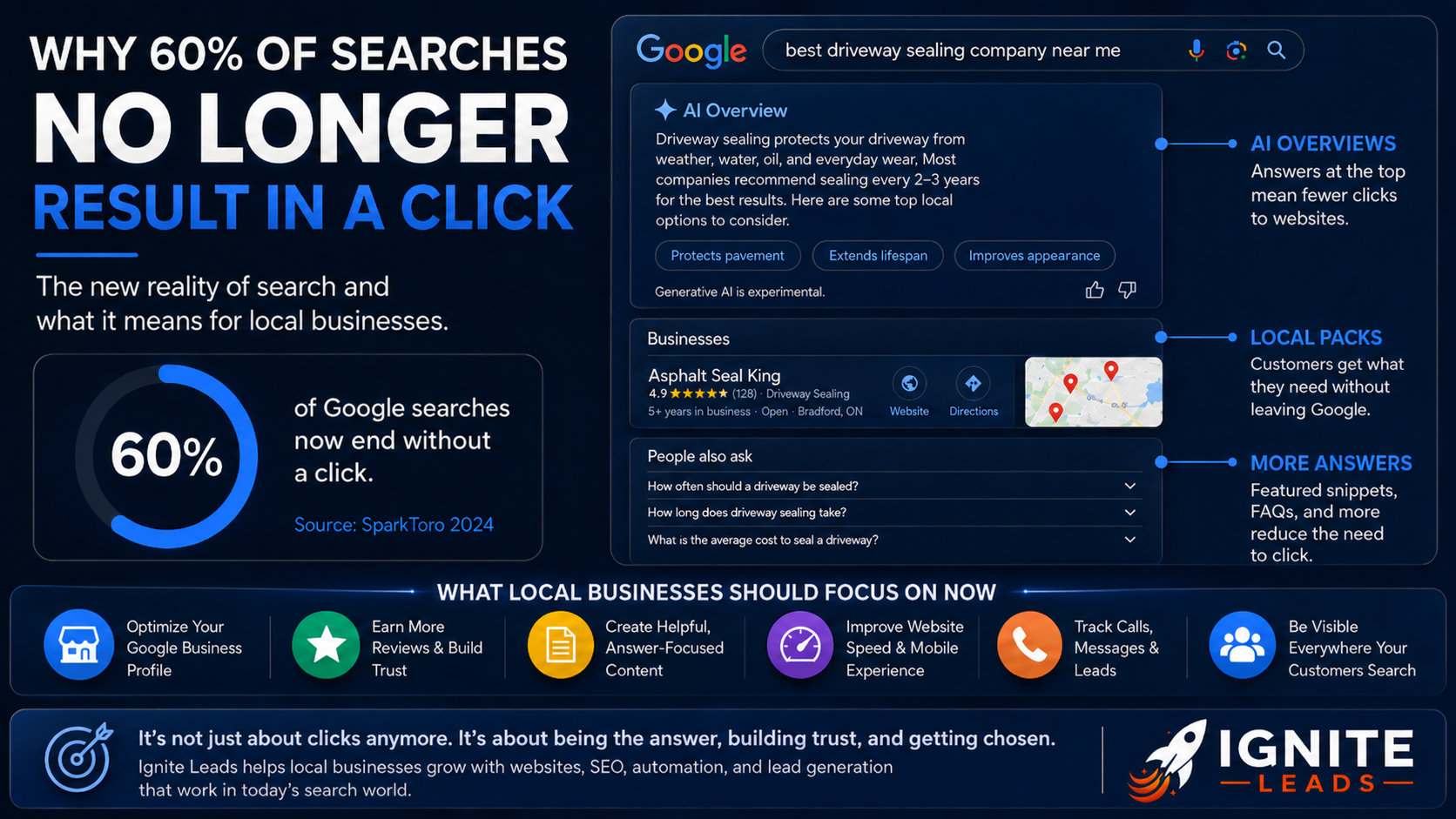
Google Maps results appear when search intent is high. A person searching for an emergency garage repair, a massage near them, or a local HVAC company usually has a practical need and a short decision window. They compare a few options, check ratings, scan photos, and choose the business that looks credible and easy to contact.
That makes the Google Business Profile one of your most important sales assets. It is often the first impression a prospect gets of your company. If the profile has outdated hours, weak photos, unanswered reviews, incorrect services, or no recent activity, it can cost you the call even when your business does good work.
Vaughan is also a competitive market. Local service companies compete not only with nearby operators but with larger brands, multi-location companies, and lead platforms. You do not need the biggest marketing budget to compete. You need better local relevance, stronger trust signals, and a faster path from search to conversation.
What Google Uses to Rank Map Results
Google does not publish a fixed formula for map rankings, and anyone promising a guaranteed number-one position is overselling. Still, local visibility usually comes down to relevance, distance, and prominence.
Relevance is how clearly Google understands what you do. A profile categorized as a general contractor with a vague description will have a harder time appearing for specific work than a properly structured business profile that clearly reflects its core services.
Distance matters because Google wants to show options near the searcher. You cannot change where your office is located, and you should never create fake addresses to manipulate rankings. What you can do is make your actual service area, business details, website content, and customer feedback consistent with the communities you genuinely serve.
Prominence is where many businesses either gain ground or fall behind. Reviews, review velocity, local mentions, website authority, profile completeness, engagement, and accurate information all contribute to how established and trustworthy your business appears.
Build a Google Business Profile That Converts
Getting found is only half the job. Your profile also has to turn attention into action. Start with the basics: your business name, primary category, phone number, website, hours, address or service area, and service list must be accurate everywhere they appear online.
Choose the primary category carefully. It should describe the main service that generates the most valuable work for your business. Secondary categories can support the profile, but adding every loosely related category can confuse the signal. A garage should not try to look like a towing company, body shop, tire retailer, and detailing studio unless it genuinely operates all of those services.
Your service descriptions should answer customer questions quickly. Be specific about what you do, where you operate, and what makes booking easy. Avoid stuffing neighbourhood names and keywords into every field. It reads poorly, creates weak copy, and does not build trust with a real customer.
Photos matter more than many owners expect. Use current photos of your team, vehicles, completed work, exterior signage, interior space, and products where relevant. Stock photos make a profile feel generic. Real photos prove that the business is active, local, and accountable.
Make the Next Step Obvious
A prospect should not have to work to contact you. Keep your phone number correct, enable messaging where it fits your process, and send website visitors to a page built for the service they searched for. If calls go unanswered or web forms sit in an inbox for hours, ranking improvements will not produce their full value.
This is where speed-to-lead becomes a competitive advantage. Automated text replies, CRM follow-up, appointment reminders, and AI-assisted reception can ensure every new inquiry gets an immediate response, even while your team is on a job site or serving another customer.
Reviews Are a Ranking Signal and a Sales Tool
Reviews help Maps visibility, but their bigger job is reducing doubt. A customer comparing three local businesses is looking for evidence that someone else had a good experience. A steady stream of recent, detailed reviews gives them a reason to choose you.
The goal is not to chase perfect five-star ratings or pressure customers into writing a specific message. Build a simple, repeatable request process after a successful service visit, completed job, pickup, or appointment. The best time to ask is when the customer has just experienced the result you promised.
Respond to reviews consistently, including the difficult ones. A calm, professional response to a negative review can protect your reputation better than silence. Do not argue publicly. Acknowledge the concern, state that you want to resolve it, and move the detailed conversation offline.
Review generation works best when it is automated but still feels personal. Your team should not be manually chasing every customer. A properly configured system can send requests at the right point in the customer journey while giving staff visibility into feedback that needs attention.
Use Your Website to Support Google Maps SEO in Vaughan
Your Google Business Profile cannot operate in isolation. Google looks for consistency between your profile and your website. If your profile promotes services that your site barely mentions, or your business details differ from page to page, you create unnecessary friction.
A local service website should make three things clear: what you do, where you do it, and how a customer can contact you. That does not mean publishing dozens of thin pages that swap one neighbourhood name for another. It means creating useful service pages that explain the work, answer common questions, show proof, and make conversion easy.
For example, a Vaughan landscaping company may need separate, useful pages for interlocking, lawn care, and seasonal cleanups because those services attract different searches and require different buyer information. A single vague services page may be enough for a smaller business with one focused offer. The right approach depends on your service mix and how customers search.
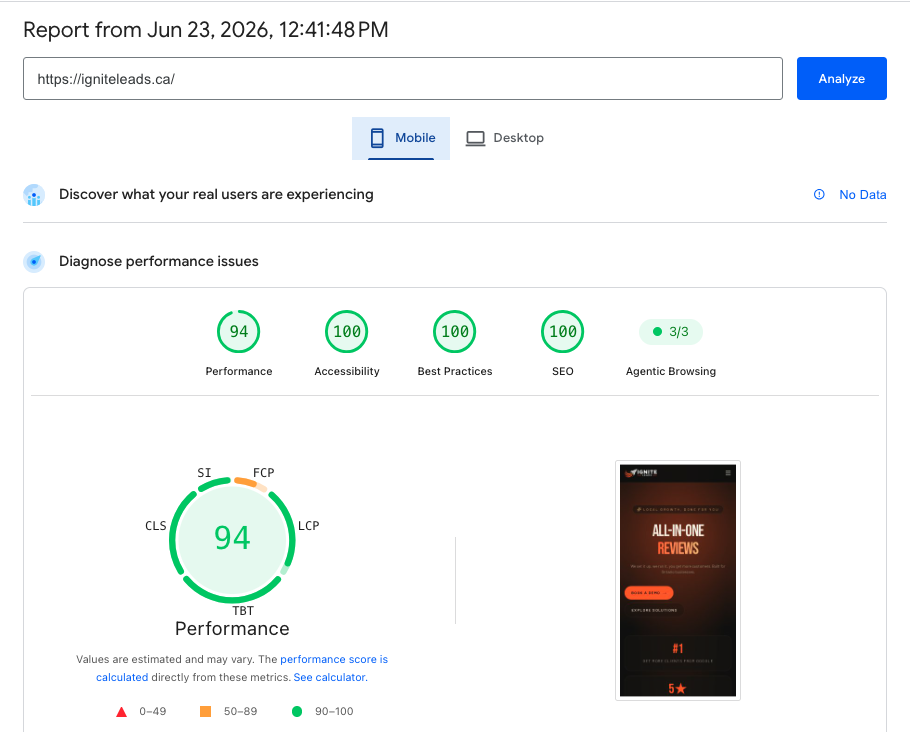
Technical basics still matter. Your site needs to load quickly on mobile, display clearly on smaller screens, have working contact forms, and track calls and leads properly. There is little value in earning Maps traffic if you cannot see which actions are producing revenue.
Common Local SEO Mistakes That Cost Calls
The most expensive mistakes are usually operational, not technical. Businesses often claim their profile and then leave it untouched for months. Others use an old phone number, list inconsistent business hours, select the wrong category, or allow duplicate profiles to remain active.
Avoid these common problems:
- Creating fake locations, virtual offices, or keyword-stuffed business names to force rankings.
- Paying for low-quality reviews or asking employees, friends, and family to inflate ratings.
- Sending every website visitor to a generic homepage with no clear service path.
- Treating leads as complete once they submit a form instead of following up immediately.
- Measuring success only by ranking positions instead of calls, booked jobs, and revenue.
A map ranking can fluctuate based on location, competition, personalization, and search behaviour. That is normal. The better question is whether your visibility is creating qualified leads and whether your team has a reliable process for converting them.
Turn Maps Visibility Into a Managed Growth System
Google Maps SEO is not a one-time project. Your profile needs regular review management, accurate information, new photos, performance tracking, and alignment with your website and follow-up process. When those pieces are handled separately, gaps appear. Leads get missed, reviews slow down, and no one can tell what is actually working.
A managed system brings visibility, reputation, lead capture, and response time together. Ignite Leads helps local service businesses connect those moving parts so a Maps search can become a real customer conversation without creating more work for the owner.
The practical goal is simple: when someone in Vaughan searches for the service you provide, your business should look like the safest, clearest, easiest choice to contact. Build for that decision, respond quickly when it happens, and your local presence becomes an asset that keeps producing long after the first click.
Allan Heath
Founder of Ignite Leads. Helps local businesses grow through SEO, lead generation, and marketing automation — simplifying the playbook so owners can focus on the work.