Article
Google My Business SEO Services That Drive Calls
October 12, 2026 • 6 min read
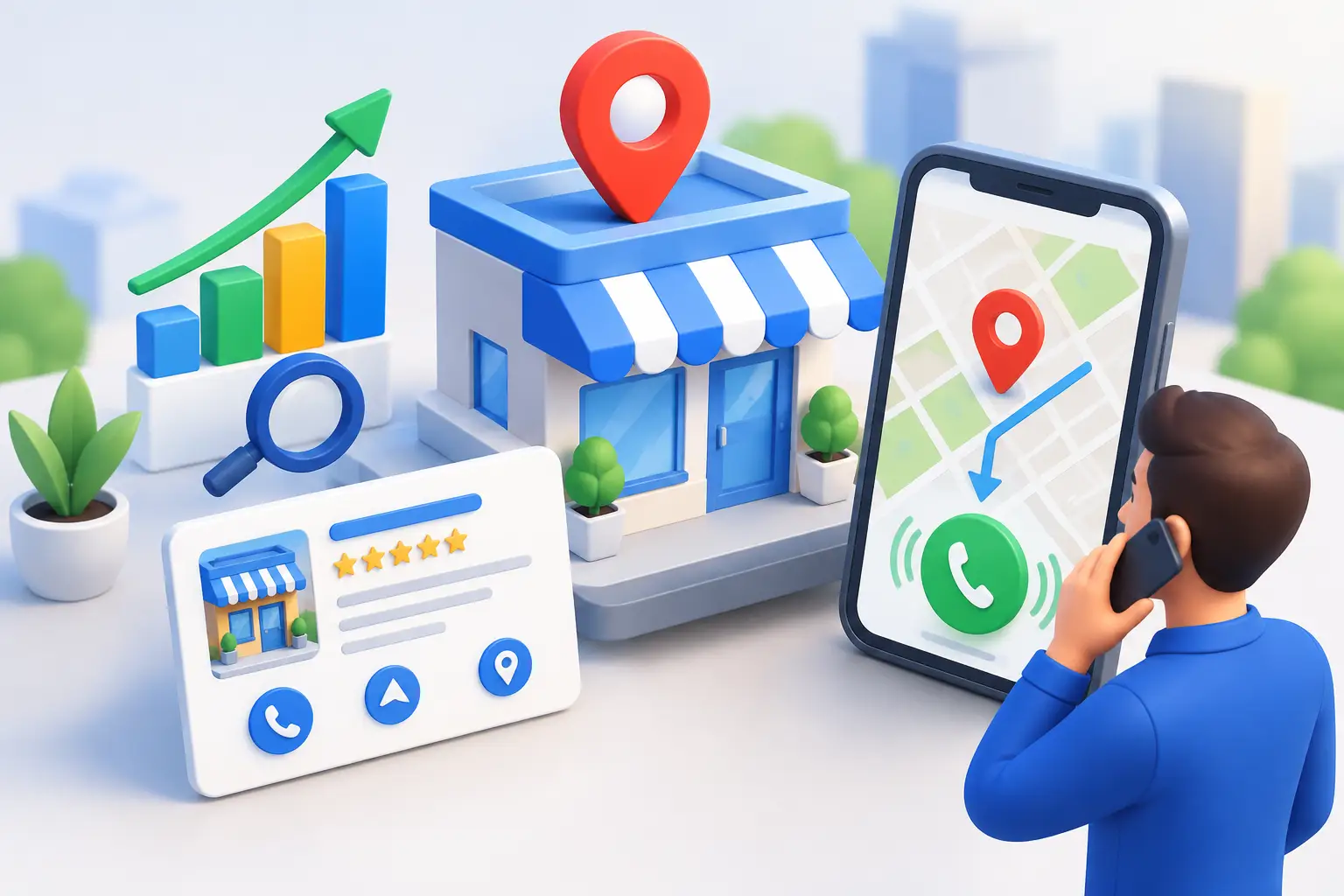
When a homeowner searches “plumber near me” or a driver needs an auto repair shop before the end of the day, they are not browsing for marketing ideas. They are looking for a business to call. Google My Business SEO services are built to put your service business in that decision window - where local searches turn into calls, direction requests, bookings, and jobs.
Google now calls the platform a Google Business Profile, but the goal has not changed. Your profile needs to appear for the right local searches, make a strong first impression, and give people a clear reason to choose you over the next business in the map results. A profile that exists but is not actively managed leaves revenue on the table.
What Google My Business SEO Services Actually Do
Google Business Profile optimization is not just adding your logo, business hours, and a few photos. Those are the basics. Real local SEO work connects your profile to the services, locations, proof, and customer experience that Google and potential customers need to see.
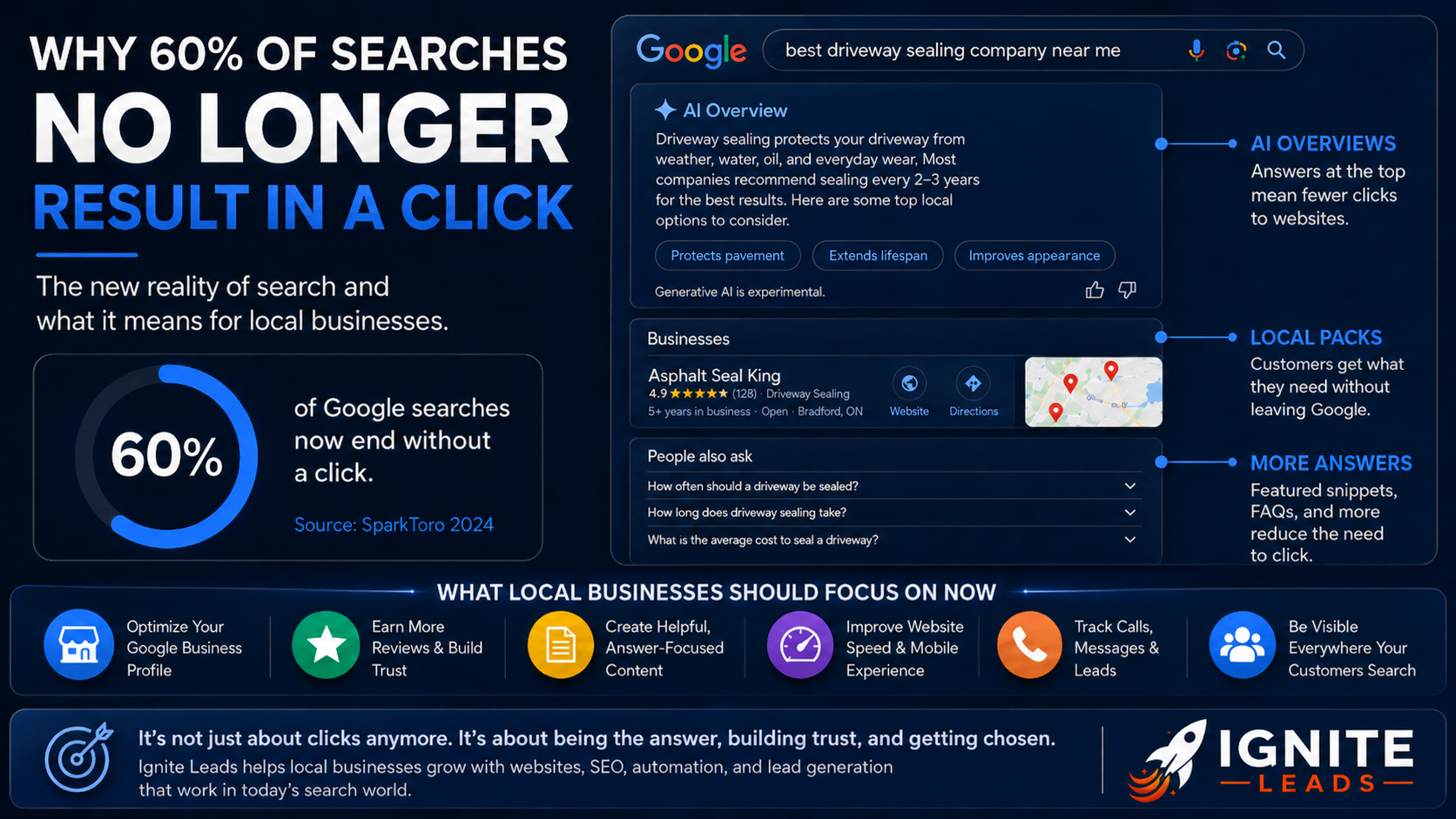
For a local service business, the profile is often the first page someone sees. Before they visit your website, they may see your rating, recent reviews, service categories, photos, operating hours, phone number, and map location. If that information is weak, outdated, or incomplete, the customer may call a competitor without ever comparing websites.
Effective Google My Business SEO services focus on four outcomes:
- Improving visibility for high-intent local searches
- Increasing calls, website visits, direction requests, and bookings
- Building trust through consistent reviews and current business information
- Turning more of that local traffic into real conversations and scheduled work
The strongest profiles do not look “optimized” in a technical sense. They look useful, active, credible, and easy to contact. That is exactly what a customer wants and what Google wants to recommend.
Local Rankings Depend on More Than Keywords
Business owners often ask why a competitor appears above them on Google Maps when that competitor has fewer reviews or a smaller operation. The answer is that map visibility is not determined by one factor.
Google generally weighs relevance, distance, and prominence. Relevance is how closely your profile and wider online presence match what someone searched. Distance is the searcher’s location relative to your business or service area. Prominence is the level of confidence Google has in your business based on reviews, mentions, links, activity, and other trust signals.
You cannot control where every person searches from. You can control how clearly your business communicates what it does, where it serves customers, and why it is a trusted choice.
That means choosing accurate primary and secondary categories, writing service descriptions that reflect what you actually sell, maintaining complete service information, and ensuring your website supports the same local intent. A garage that wants brake repair leads should not rely on a generic profile description about “quality automotive care.” It needs clear signals around the services that drive profitable jobs.
There is a trade-off here. Adding every possible service or category can make a profile less focused and less credible. The goal is not to rank for everything. The goal is to rank for the work you want more of.
Your Website Still Matters
A Google Business Profile can generate calls on its own, but it performs better when the website behind it is built for local conversion. Google uses the broader web to validate business details and understand relevance. Customers also visit your site when the job is higher value, more urgent, or requires more trust.
Your profile, website, reviews, and follow-up process should tell one consistent story. If your profile says you offer emergency service but your website does not mention it, or if your phone goes unanswered after a customer clicks to call, the system breaks down. Rankings are useful. Booked customers are the real result.
The Work Behind a Profile That Produces Leads
A managed local SEO service should start with the foundation. That includes ownership and access checks, accurate business details, category selection, service areas, hours, appointment options, business description, and conversion-focused contact information. Small mistakes matter. An old phone number, duplicate listing, wrong category, or inconsistent address can reduce trust and cost leads.
From there, the work becomes ongoing. Search results change, competitors collect reviews, service offerings evolve, and customers need current information. Profiles need regular monitoring and improvement, not a one-time setup that sits untouched for a year.
Review management is a major part of this. Reviews affect click-through rates, customer trust, and local prominence. But simply asking for reviews occasionally is not a system. The most reliable approach is to trigger review requests after a positive service interaction, make the process easy for the customer, and respond to feedback professionally.
A steady flow of genuine reviews is more valuable than a short burst followed by silence. It shows customers that your business is active now, not that it was active two years ago.
Photos also shape decisions. For service businesses, use real images that reduce uncertainty: your team, vehicles, equipment, completed work, storefront, waiting area, or before-and-after results where appropriate. Stock photography may fill empty space, but it rarely builds confidence. Customers want evidence that a real, local business will show up and do the work.
Why Fast Follow-Up Protects Your SEO Investment
Getting found is only half the job. If a prospective customer calls and reaches voicemail, submits a form and hears nothing for hours, or sends a message after business hours with no response, the lead can disappear fast.
This is where many local marketing programs fail. They focus on traffic and rankings but ignore the operating system needed to handle new demand. A better Google position creates more opportunities, but it does not solve missed calls, slow replies, or inconsistent follow-up.
For businesses in competitive markets such as Barrie, Newmarket, Aurora, and Vaughan, speed-to-lead can be the difference between winning the job and financing a competitor’s growth. AI chat, automated text responses, call handling, CRM pipelines, and appointment reminders help ensure that leads receive a response while they are still ready to act.
This does not mean every customer interaction should be fully automated. High-value, complex, or sensitive jobs still need a capable person involved quickly. Automation handles the repetitive first steps: acknowledging the inquiry, gathering basic details, routing the lead, and preventing silence. Your team can then focus on the conversation that wins the business.
What to Expect From a Managed Provider
Not every business needs the same level of local SEO support. A single-location spa, a mobile home service company, and a multi-location automotive brand will have different priorities. The right plan depends on competition, service area, review volume, website quality, and how quickly your team can handle leads.
Be cautious of providers that promise a guaranteed number-one map ranking. No legitimate provider controls Google’s results, customer locations, or every competitor’s activity. A credible partner will explain what they are improving, show the business metrics that matter, and adjust based on results.
Look for reporting that connects visibility to action. Search impressions are useful context, but owners need to know whether more people are calling, requesting directions, completing forms, booking appointments, and becoming customers. If reporting stops at rankings, you are missing the business outcome.
Ignite Leads approaches local visibility as part of one coordinated growth system. Your Google profile should support the website, reviews should support trust, and lead automation should support conversion. Managing each piece separately creates gaps that customers notice and competitors exploit.
Make Your Google Profile a Working Sales Asset
Your Google Business Profile should not be a digital business card that gets updated only when holiday hours change. It should be an active sales asset that makes it easier for local customers to find you, trust you, and contact you.
Start with accuracy, build proof through consistent reviews and real business activity, then make sure every inquiry receives a fast response. Better map visibility matters most when it leads to a conversation your business is ready to win.
Allan Heath
Founder of Ignite Leads. Helps local businesses grow through SEO, lead generation, and marketing automation — simplifying the playbook so owners can focus on the work.