Article
How to Get More Booked Appointments Locally
July 24, 2026 • 7 min read
A missed call at 10:30 a.m. can become a booked appointment with your competitor by 10:35. For local service businesses, the issue is rarely a total lack of leads. The real issue is what happens between a customer searching, submitting a form, calling your business, and deciding whether to book. If you want to know how to get more booked appointments, start by treating that gap as an operating system, not a marketing afterthought.
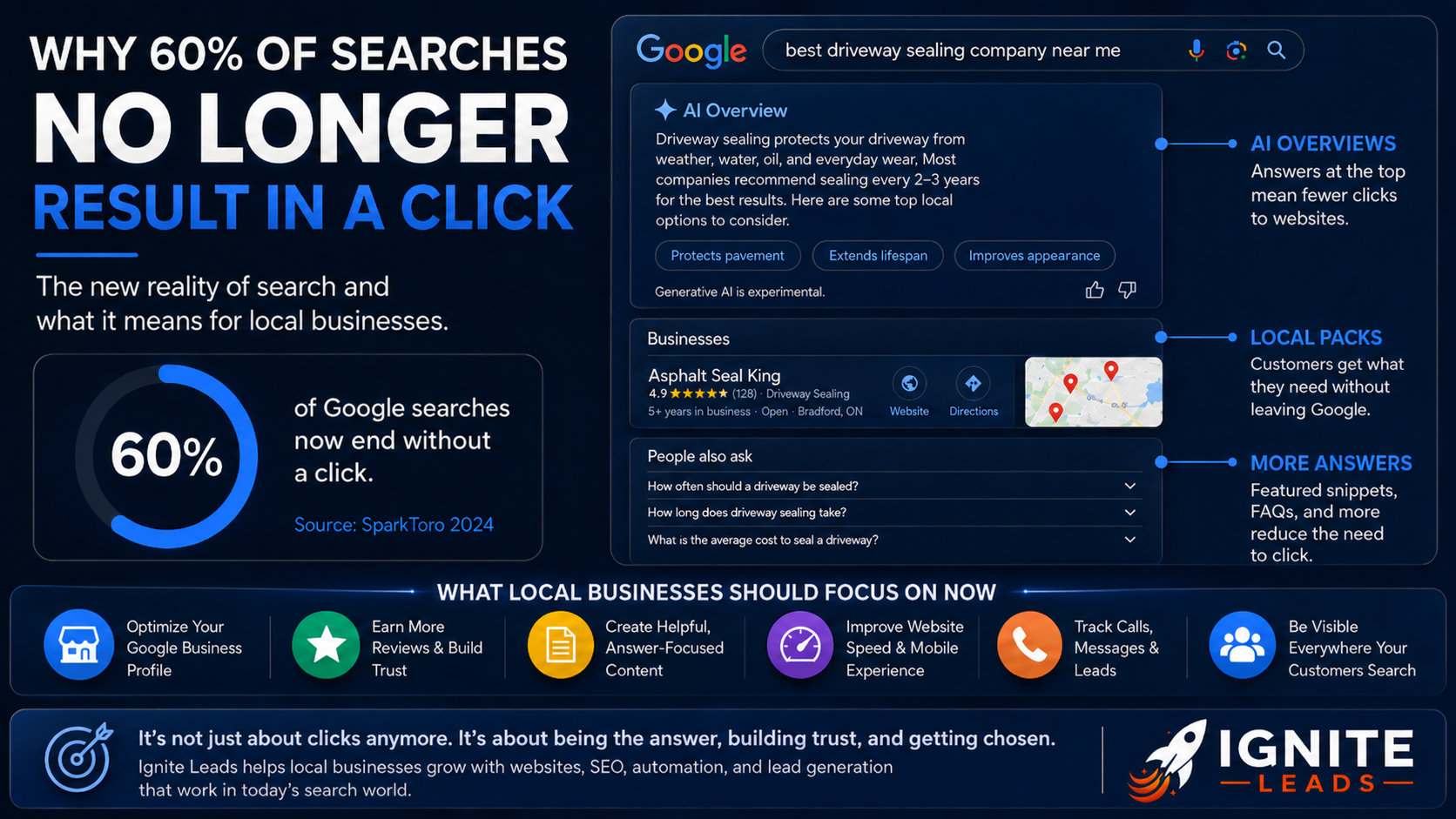
More traffic helps, but it does not fix slow replies, confusing offers, unavailable booking options, or a follow-up process that relies on someone remembering to call back. The businesses that book more customers make the next step easy, respond quickly, and stay visible until the prospect is ready to act.
Start With the Appointment Path, Not the Lead Count
Owners often ask for more leads when they should first ask where existing leads are leaking. A garage may receive calls that go unanswered while staff are busy. A spa may get online enquiries after hours with no response until the next day. A home service company may quote a job, then never follow up after sending the estimate.
Map the path from first contact to confirmed appointment. A customer should be able to find you, understand what you offer, contact you in their preferred way, receive a fast response, and choose a clear time to book. Any friction in that sequence lowers conversion.
Look at your last 20 enquiries. How many received a response within five minutes? How many were asked directly to book? How many received more than one follow-up after the first conversation? This review usually reveals a process issue before it reveals an advertising issue.
How to Get More Booked Appointments From Existing Leads
The fastest gains typically come from handling the leads you already generate more effectively. A prospect who has just called, completed a form, or requested a quote has intent right now. That intent fades quickly when they have to wait.
Respond while the customer is still looking
Speed-to-lead is one of the most practical advantages a local business can create. When someone searches for a plumber, massage appointment, auto repair, or business coach, they are often comparing several options at once. The first business to provide a useful, confident response has a real edge.
That does not mean an owner needs to answer every message personally within seconds. It means your business needs coverage. Automated text replies can acknowledge a new enquiry immediately. An AI chat assistant can answer basic questions and collect details. An AI voice receptionist can handle missed calls, qualify the request, and route urgent opportunities properly.
Automation should not replace judgement where judgement matters. Complex estimates, sensitive client questions, and high-value jobs still need a trained person involved. But automation can prevent the silence that costs you the conversation before your team gets to it.
Give people one obvious action to take
A website or Google Business Profile should not make customers work out what happens next. If the goal is an appointment, make booking the primary action. Use direct language such as “Book your consultation,” “Request a service time,” or “Schedule your vehicle inspection.”
Avoid presenting five equally important buttons, a vague contact form, and a long page of general claims before the visitor can act. Customers need enough information to feel confident, then a low-effort way to move forward.
For some services, instant online booking makes sense. Spas, consultations, routine maintenance, and coaching sessions can often benefit from a live calendar. For jobs that require qualification, a request form or guided phone conversation may be better. The right choice depends on whether the appointment can be standardized without creating scheduling problems for your team.
Make the offer specific enough to book
“Contact us for more information” is not an offer. It gives a prospect no reason to act now. A stronger appointment offer tells people what they will receive and what the next step costs in time or money.
A physiotherapy clinic might offer an initial assessment. A garage might promote a seasonal inspection. A landscaping company could offer an on-site estimate within a defined service area. The offer does not need to be discounted. It needs to be clear, relevant, and easy to understand.
Be careful with broad discounts if your calendar is already tight or your margins are thin. A low-quality promotion can fill your schedule with price shoppers. In many cases, convenience, quick availability, a defined consultation, or a faster estimate is more valuable than cutting your price.
Be Easy to Find When Local Intent Is High
A strong conversion process cannot work if customers cannot find your business when they are ready to book. Local visibility matters because high-intent searches tend to happen close to the buying decision: “garage near me,” “massage Barrie,” or “roof repair Vaughan.”
Your Google Business Profile needs accurate service categories, hours, contact information, photos, services, and regular activity. Your website should clearly state what you do, who you serve, and the areas you cover. Most importantly, the phone number, forms, and booking actions need to work properly on mobile devices, where many local searches happen.
Reviews also affect appointment volume. They do more than improve credibility. They help a prospective customer decide whether you are safe to contact when several businesses look similar. Build review requests into your completed-job process, then respond professionally to both positive and negative feedback.
A business in Barrie, Newmarket, Aurora, or Vaughan does not need to be everywhere online. It needs to appear credible and easy to contact in the places local customers actually use to make a decision.
Follow Up Without Chasing People Forever
Most service businesses stop too early. A customer asks for availability, receives a quote, or fills out a form, then gets distracted. That is normal buying behaviour, not always a rejection.
A useful follow-up system is timely and specific. Send an immediate confirmation when the enquiry arrives. If they have not booked, follow up the next business day with a simple question or a clear choice of times. A final reminder a few days later can recover customers who meant to respond but did not.
The message should move the conversation forward. “Just checking in” is easy to ignore. “We have Tuesday at 2:00 p.m. or Wednesday at 10:30 a.m. available. Would either work?” gives the customer a decision they can make quickly.
Use your CRM to track every enquiry source, response time, appointment status, and reason a lead did not book. Without that record, your team will guess at what is working. With it, you can see whether Google leads book better than social leads, whether calls convert better than forms, and where staff need a better process.
Reduce No-Shows Before They Hurt the Schedule
Booked appointments only matter when customers attend. Reminder automation protects your calendar without adding manual admin work. Send a confirmation immediately, a reminder 24 to 48 hours before the appointment, and a final reminder close to the scheduled time when appropriate.
Include the date, time, location or meeting instructions, and a simple way to reschedule. If a customer cannot attend, a cancelled slot is still more useful than an empty slot. For high-demand services, a waitlist or quick-fill message can help recover that revenue.
No-show policies can also help, but they need to match the service and customer relationship. A deposit may make sense for a long consultation, premium treatment, or reserved technician time. It may create unnecessary friction for a simple first estimate. Test the policy against your actual no-show rate rather than copying what another business does.
Measure the Numbers That Lead to More Bookings
Do not judge marketing only by calls, form fills, or website visits. Track the numbers that show whether enquiries become revenue: lead response time, contact rate, appointment booking rate, show rate, quote-to-job rate, and cost per booked appointment.
This gives you better decisions. If leads are plentiful but booking rates are low, improve response and qualification. If bookings are high but attendance is weak, improve reminders and scheduling expectations. If you have few enquiries, focus on local visibility, reviews, and your website's ability to convert visitors.
A coordinated system is usually more effective than adding another disconnected tool. When your website, local SEO, review requests, CRM, and lead handling work together, fewer opportunities get lost between the first click and the calendar. Ignite Leads builds and manages that kind of system for local businesses that want more customer acquisition without becoming their own marketing department.
The practical goal is not simply a fuller inbox. Build a process that makes it easy for the right customer to choose a time, easy for your team to respond, and difficult for a valuable lead to disappear unnoticed.
Allan Heath
Founder of Ignite Leads. Helps local businesses grow through SEO, lead generation, and marketing automation — simplifying the playbook so owners can focus on the work.