Article
How to Get More Local Calls for Your Business
September 2, 2026 • 7 min read

A customer searches “emergency plumber near me” at 8:15 p.m., finds three options, and calls the first business that looks credible and answers. That is the real answer to how to get more local calls: be easy to find, give people a reason to trust you, and make sure every enquiry gets handled immediately.
Most service businesses do not have a demand problem. They have a visibility and conversion problem. Their website is unclear, their Google Business Profile is incomplete, their reviews are stale, or calls go to voicemail during the exact moments a customer is ready to book.
More calls are not created by one tactic. They come from a connected local lead system that moves people from search to conversation without friction.
How to Get More Local Calls From Google
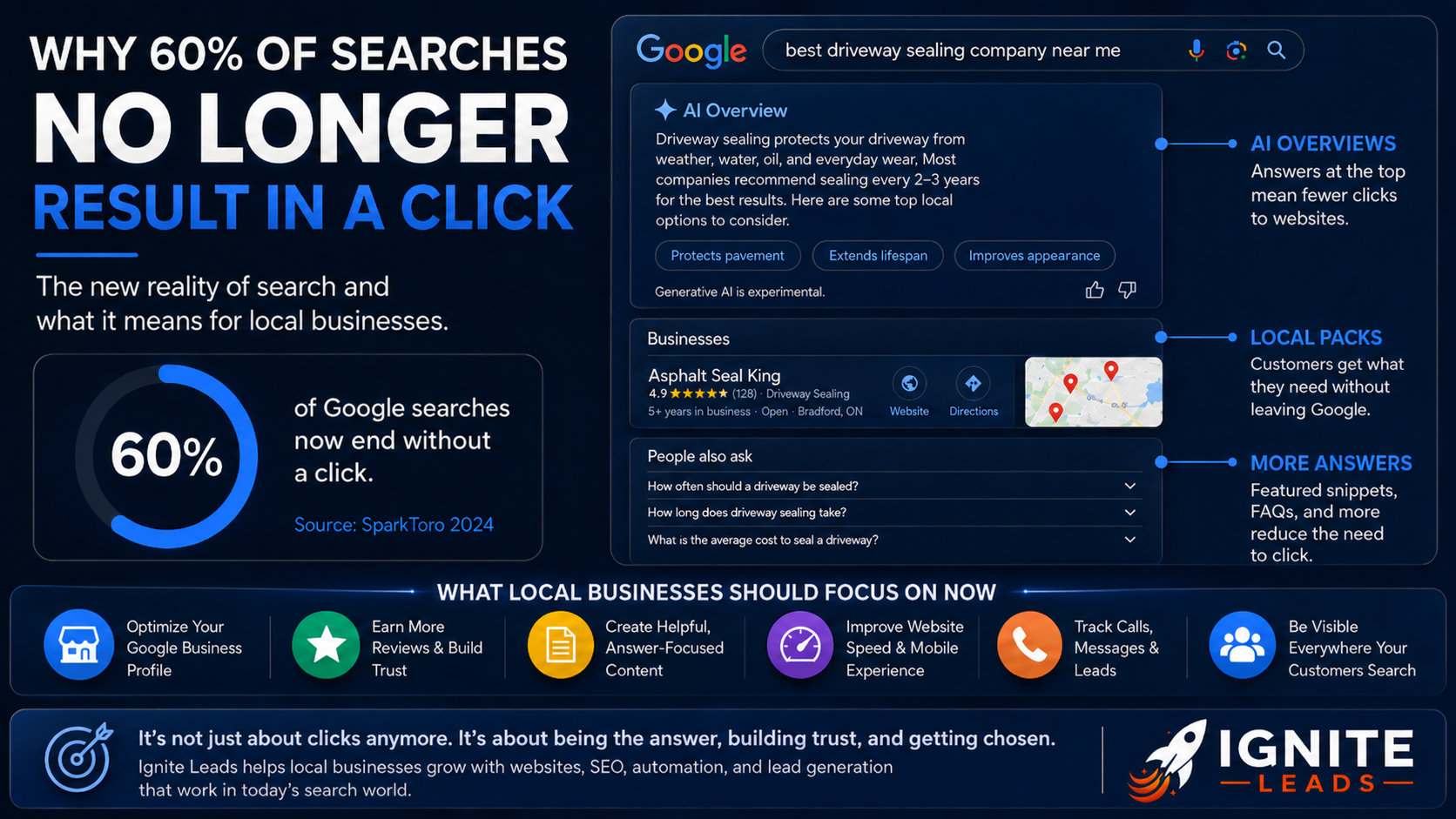
Google is where high-intent local customers start. They are not researching for fun. They need a repair, appointment, estimate, treatment, or answer. If your business is not visible when that need appears, a competitor gets the call.
Your Google Business Profile is the first place to focus. It needs an accurate primary category, service areas, hours, phone number, website, services, photos, and a clear business description. Small gaps matter. A garage with no current photos, no service list, and a handful of old reviews looks less established than a nearby competitor with a well-maintained profile.
Choose categories carefully. Your primary category should match the core service that drives revenue, not a broad label that sounds good. Add relevant secondary categories only where they accurately reflect what you offer. A massage clinic, for example, should not try to rank for unrelated wellness terms just to appear in more searches. Relevance attracts better calls.
Keep your profile active with real updates. Add recent project photos, answer questions, post service updates, and review your holiday hours before long weekends. This is not busywork when it is handled properly. It signals that customers can trust the information they see before they call.
Local rankings also depend on proof that your business serves the areas you target. Your website should have useful, specific service pages and location pages where they genuinely add value. A page for furnace repair in Barrie should explain the service, common problems, response expectations, and how to contact your team. It should not be a copied page with a city name swapped out.
Turn Website Visits Into Phone Calls
Ranking is only half the job. A local customer may visit your site, spend ten seconds looking for a number, and leave if the next step is unclear.
Put your phone number where people expect it: prominently in the header, on mobile, and beside key calls to action. Use click-to-call functionality on mobile devices. If someone is standing in their driveway with a dead car battery, asking them to fill out a long contact form is unnecessary friction.
Your website should answer three questions quickly: what do you do, where do you serve, and why should someone choose you now? Lead with the service and outcome, not a vague brand statement. “Same-day garage door repair in York Region” is stronger than “Quality service you can trust.” The first tells a customer that they are in the right place and gives them a reason to act.
Trust signals should sit close to the contact action. Show your rating, review count, years in business where relevant, certifications, financing options, warranties, and real project images. The goal is not to make the site look crowded. It is to remove the doubts that stop someone from calling.
Forms still have a place for estimates and non-urgent requests, but keep them short. Name, phone number, email, service needed, and a message field are usually enough. Every extra field lowers completion rates. For higher-value services, add a scheduling option so serious prospects can choose a time without phone tag.
Build a Review Engine, Not a One-Time Campaign
Reviews directly influence whether a local customer calls. They also help your Google presence stand out when several businesses appear together. A 4.8-star business with current, detailed reviews will usually earn more confidence than one with a similar ranking but no recent feedback.
The mistake is treating reviews as something to request once or twice a year. Make the request part of your operating process. Send it when the customer has received the result they paid for: after a completed repair, a successful appointment, a finished installation, or a positive follow-up conversation.
Use text and email reminders, but do not overcomplicate it. The message should be short, polite, and easy to complete on a phone. Staff should know when the request is sent so they can reinforce it naturally at the right moment.
Ask for honest feedback, not five-star feedback. Review platforms expect authenticity, and customers can spot manufactured praise. The best reviews mention the service, the location, the problem solved, and the experience with your team. Those details help future customers decide that you are the right business to call.
Respond to reviews consistently, including negative ones. A calm, practical response shows prospective customers that issues are handled professionally. Do not argue publicly or share customer details. Offer to resolve the matter offline, then follow through.
Answer Every Lead While Intent Is High
Speed-to-lead is one of the biggest differences between a business that generates leads and one that books customers. If a caller reaches voicemail, or a web enquiry waits three hours for a reply, their urgency does not pause. They call the next option.
Set clear call-handling rules. During business hours, someone should answer or return missed calls within minutes, not at the end of the day. After hours, use an AI voice receptionist, chat assistant, or automated text response to acknowledge the enquiry, collect basic details, and offer the next step.
Automation is not a replacement for a good team. It is a safety net that prevents leads from disappearing when staff are on a job, with a customer, or driving between appointments. For many service businesses, an automated message that says, “We received your request. What service do you need and what is your postal code?” is enough to keep the conversation alive until a person can respond.
Route calls and form submissions into one CRM so no one is relying on memory, sticky notes, or a shared inbox. Assign an owner, set follow-up reminders, and track whether the lead booked, did not qualify, or went cold. The follow-up process matters most for estimates, coaching consultations, cosmetic services, and larger home-service jobs where customers may compare several providers.
Use Paid Search When You Need Calls Now
Local SEO builds compounding visibility, but it takes time. If you need more calls for a seasonal service, a new location, or a gap in your calendar, paid Google ads can add immediate demand.
The trade-off is simple: ads can produce fast data and fast calls, but they stop when the budget stops. They also become expensive when campaigns are broad, poorly targeted, or sent to a weak landing page. Do not pay for clicks across an entire province if you only serve a defined radius around your location.
Focus campaigns on high-intent services and use call-focused ads during the hours your team can respond. A campaign for “AC repair near me” is often more valuable than a broad awareness campaign because the searcher is already close to booking. Track every call so you know which services, areas, and keywords produce real customers rather than just enquiries.
Measure Calls That Turn Into Revenue
Do not judge local marketing by impressions alone. A higher ranking is useful only if it produces qualified conversations, bookings, and revenue.
Track call volume by source: Google Business Profile, organic search, paid ads, website, referrals, and direct calls. Then look beyond the first call. How many were answered? How many became estimates? How many booked? What was the average job value? This tells you where the bottleneck really is.
For example, if your Google visibility is strong but calls are flat, your profile listing, reviews, or website conversion may be the issue. If calls are up but bookings are down, your response time, pricing process, or front-desk script may need attention. The right fix depends on the stage where leads are being lost.
A connected system is easier to manage than a pile of disconnected tools. Ignite Leads helps Ontario service businesses coordinate local visibility, reputation, website conversion, and automated lead follow-up so owners can spend less time chasing enquiries and more time serving booked customers.
The next local customer is already searching for help. Make it obvious that you serve their area, make your number easy to call, and make sure a real response follows quickly. That is how more searches become more calls worth taking.
Allan Heath
Founder of Ignite Leads. Helps local businesses grow through SEO, lead generation, and marketing automation — simplifying the playbook so owners can focus on the work.