Article
How to Improve Local Visibility and Win More Calls
August 15, 2026 • 7 min read
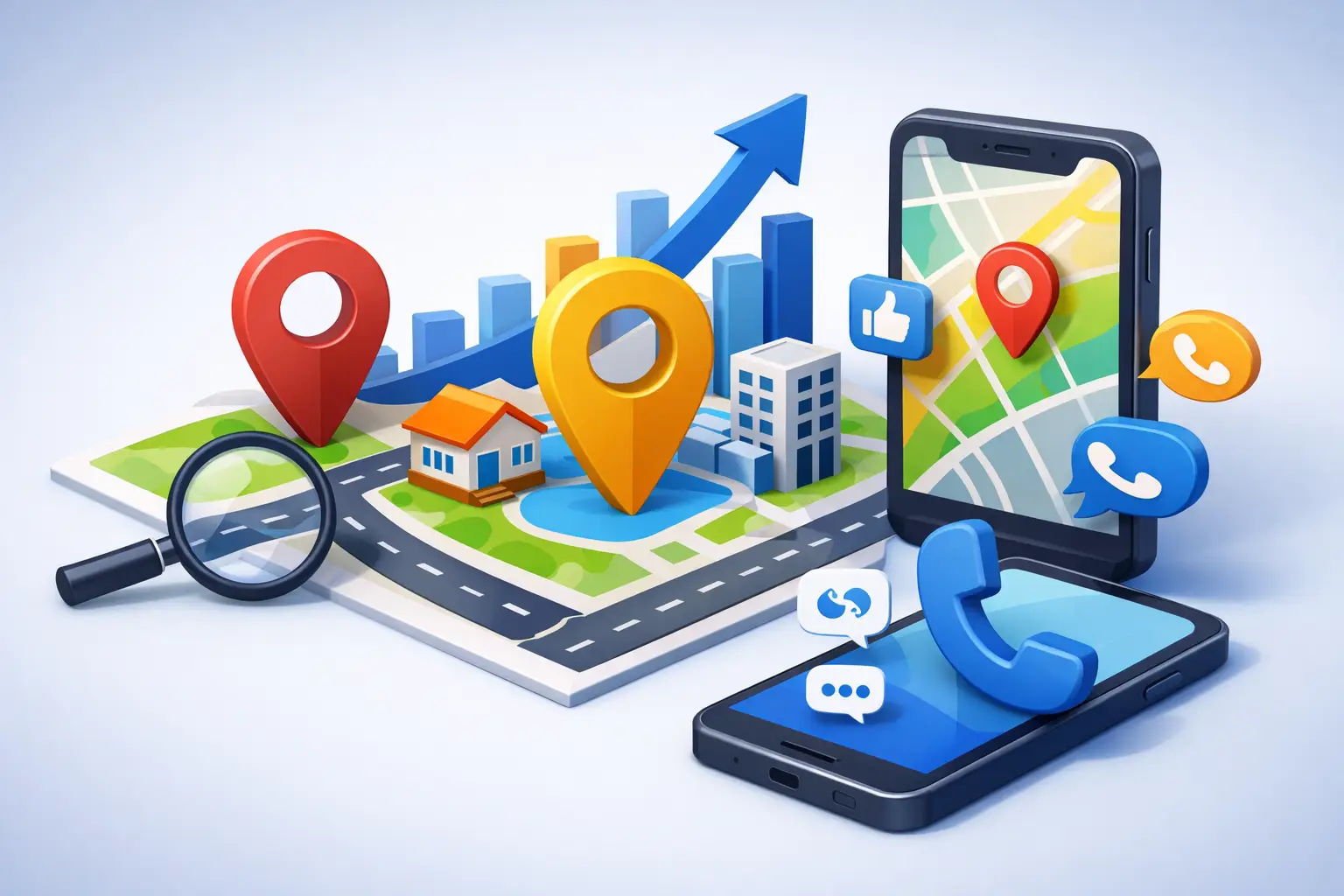
A homeowner searches for an emergency plumber at 7:40 a.m. A driver needs a garage before work. A potential spa client compares three businesses before booking. In each case, the company that appears credible, nearby, and easy to contact has the advantage. Knowing how to improve local visibility means building a system that puts your business in front of these high-intent customers, then gives them a reason to call now.
For service businesses, visibility is not a vanity metric. It drives calls, quote requests, booked appointments, and revenue. A strong local presence also reduces reliance on referral-only growth and expensive paid ads. The goal is not to be everywhere online. The goal is to show up in the places local customers use when they are ready to buy.
How to improve local visibility with a connected system
Local visibility is the combined result of your Google presence, website, reputation, location relevance, and response speed. These pieces work together. A polished website cannot compensate for a weak Google Business Profile. Great reviews cannot fully overcome a site that loads slowly or makes it difficult to request a quote.
This is where many owners lose momentum. They purchase separate tools, post occasionally, ask for reviews when they remember, and assume the work is done. The result is fragmented marketing and inconsistent lead flow.
A better approach is to treat local growth as one operating system. Your listings bring in searches. Your website converts interest. Reviews create trust. Automation captures and follows up with leads. Reporting shows what is producing real opportunities. When each part supports the next, your visibility becomes more reliable.
Start where local customers are already searching
For most service businesses, Google Business Profile is the most valuable local asset after the website itself. It can place your business in map results, local searches, and branded searches, often before a customer visits your site. It needs active management, not a one-time setup.
Make sure your business name, phone number, website, hours, service categories, and service area are accurate. Choose categories based on the services you want to sell, not broad labels that sound impressive. A garage, for example, should clearly communicate its core repair and maintenance services. A coach should make their specific program or audience obvious.
Add current photos that show the real business, team, completed work, equipment, and customer experience. Generic stock imagery creates distance at the exact moment a prospect is deciding whether to trust you. Keep services detailed and specific, including the terms customers actually use when they search.
Consistency matters across the web as well. If your phone number, address, business name, or hours differ from one directory to another, Google and potential customers receive mixed signals. Correcting these details is unglamorous work, but it prevents avoidable friction.
Build location relevance without stuffing city names
Businesses in Barrie, Newmarket, Aurora, and Vaughan do not need a page filled with repeated city names to rank locally. That approach reads poorly and can weaken trust. Instead, create useful pages around the services and areas you genuinely serve.
A strong service page explains what you do, who it is for, what the process looks like, and how to get started. Where relevant, include details that demonstrate local experience, such as seasonal conditions, neighbourhood service coverage, or project types common to the area. The test is simple: would this information help a real customer choose you? If not, it does not belong on the page.
For multi-location businesses, each location needs its own accurate profile, location page, local contact details, and review strategy. Do not copy and paste the same page and swap the city name. Give each location a clear reason to exist in search results.
Turn your website into a local conversion tool
Ranking is only half the job. If someone lands on your site and cannot quickly confirm that you serve them, solve their problem, and answer the phone, the lead can disappear.
Your website should make three things obvious within seconds: the service you provide, the areas you serve, and the next action to take. Use clear calls to action such as request a quote, book an appointment, or call now. Put the phone number where mobile visitors can tap it easily. Keep forms short enough that a busy customer will complete them.
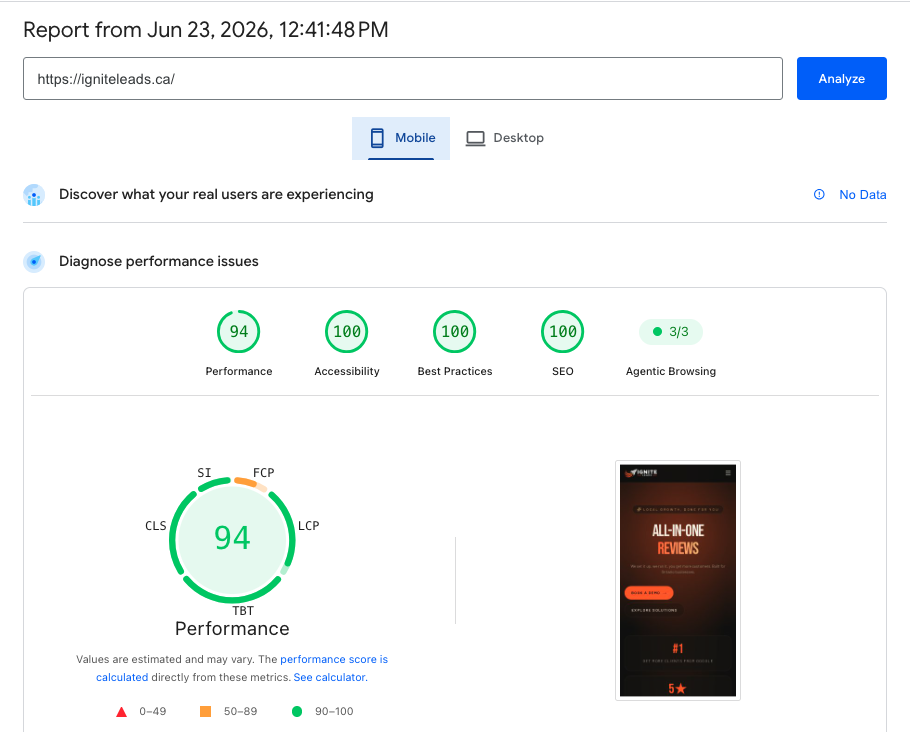
Speed is part of the conversion process. A slow, confusing site costs leads even if it ranks well. The same is true for sites with vague headlines, hidden contact details, or walls of generic marketing language. Local customers want clarity. Tell them what happens after they contact you, when they can expect a response, and why your business is a safe choice.
Service pages should also answer the questions that delay decisions. What does the service include? Is there an assessment? Do you offer urgent appointments? What areas do you cover? You do not need to publish every price, since pricing depends on the job in many service categories. But you should reduce uncertainty before the customer has to call.
Make reviews part of your daily operation
Reviews influence both trust and local search performance. More importantly, they influence the customer standing on the edge of a decision. A business with recent, detailed reviews looks active and dependable. A business with a handful of old reviews can look neglected, even when the service is excellent.
The fix is not asking every customer at random. Build a repeatable review request into the point where satisfaction is highest: after a successful repair, completed treatment, finished project, or positive appointment. A simple automated text or email makes collection consistent without adding another task to your front desk.
Good review generation has four traits:
- The request goes out quickly while the experience is fresh.
- The process is simple on a mobile phone.
- Staff know when and how to ask without sounding awkward.
- Every review receives a professional response.
Do not chase only five-star reviews and ignore criticism. Respond calmly, address legitimate concerns, and avoid public arguments. A thoughtful response shows future customers that the business is accountable. If a review reveals an operational problem, use it to improve the operation, not just the rating.
Respond before the lead chooses someone else
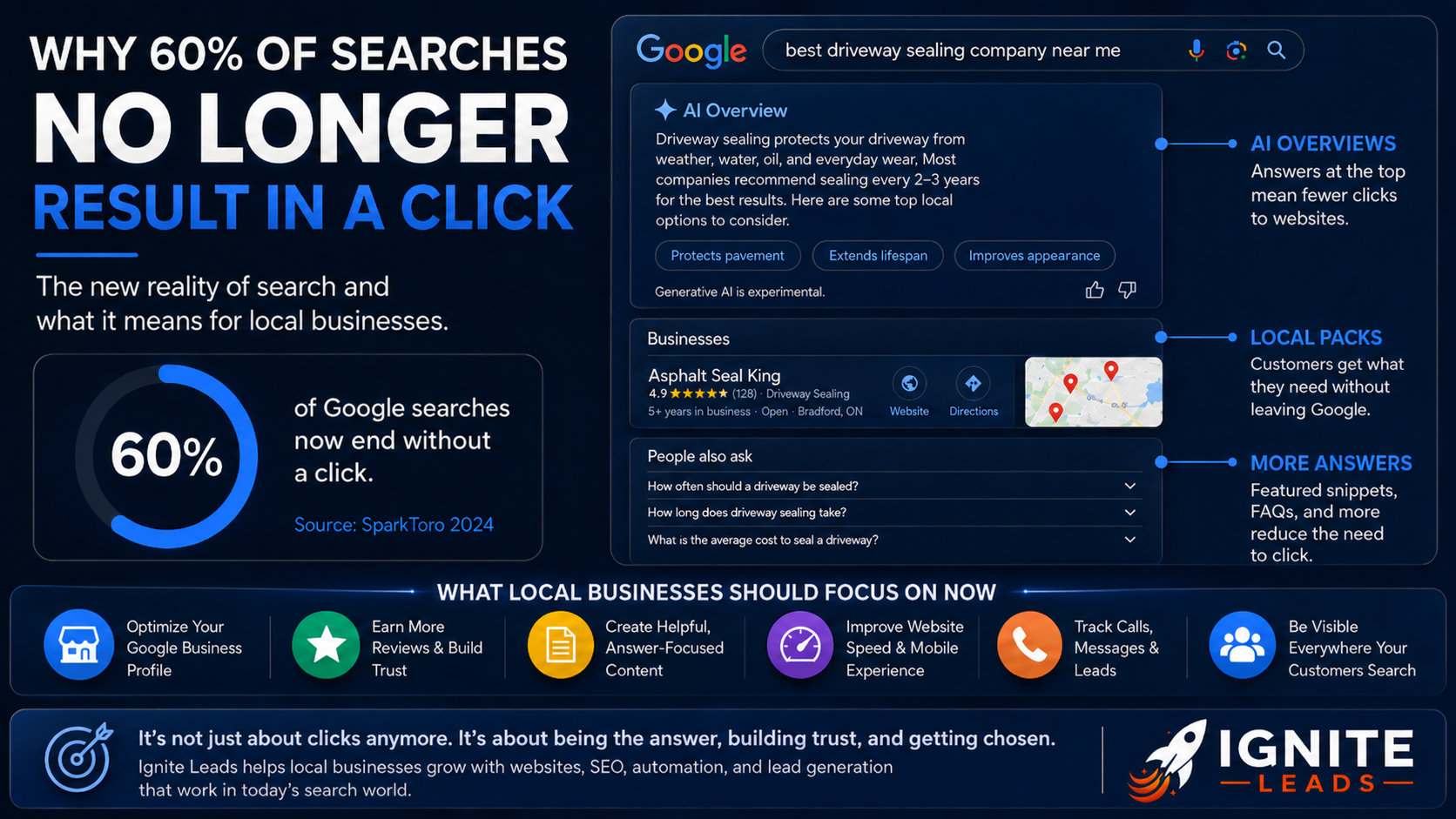
A high ranking has limited value if calls go unanswered and web forms sit untouched for hours. Speed-to-lead is one of the biggest advantages a local service business can control. In competitive categories, the first helpful response often wins the conversation.
Set up immediate confirmation for every form, text inquiry, missed call, and chat request. The customer should know their message was received and what happens next. Then make sure a real follow-up process takes over, whether that is your team, a receptionist, or an AI-assisted chat and voice system that qualifies enquiries and routes urgent calls.
Automation should support service, not make the business feel robotic. Use it for fast acknowledgement, reminders, lead routing, review requests, and follow-up sequences. Keep a person available when the customer has a complex question, needs reassurance, or is ready to book. The right balance depends on your service and call volume.
Measure booked opportunities, not marketing activity
Posting content, gaining impressions, and receiving website visits can be useful indicators, but they are not the finish line. Track the outcomes that affect revenue: calls, form submissions, booked appointments, quote requests, show rates, and closed jobs.
Look for gaps in the customer journey. If map views are high but calls are low, your profile may need better photos, stronger reviews, or clearer service information. If calls are strong but bookings are weak, the issue may be response time or call handling. If leads are coming in but not closing, review your follow-up process before assuming you need more traffic.
This is why a coordinated system beats isolated tactics. Local SEO, website performance, reputation, and lead handling should be measured as one path from search to customer. Ignite Leads builds and manages that path so local operators can focus on delivering the service rather than chasing disconnected marketing tasks.
Keep improving the signals that customers can see
Local visibility is not a switch you turn on once. Competitors collect new reviews, change their offers, improve their websites, and expand their service pages. Your business needs a steady operating rhythm: verify listings, add fresh proof of work, request reviews, check lead response times, and improve pages that are producing interest but not enquiries.
Start with the point of greatest leakage. If no one can find you, fix the local search foundation. If customers find you but do not trust you, improve your reviews and proof. If leads arrive but do not book, tighten response time and follow-up. Small improvements at the right stage can produce more calls without adding more complexity to your day.
The business that wins local search is rarely the one with the most marketing tools. It is the one that makes it easy for nearby customers to find, trust, and contact them when the need is real.
Allan Heath
Founder of Ignite Leads. Helps local businesses grow through SEO, lead generation, and marketing automation — simplifying the playbook so owners can focus on the work.