Article
How to Rank in Google Map Pack Fast
July 8, 2026 • 7 min read
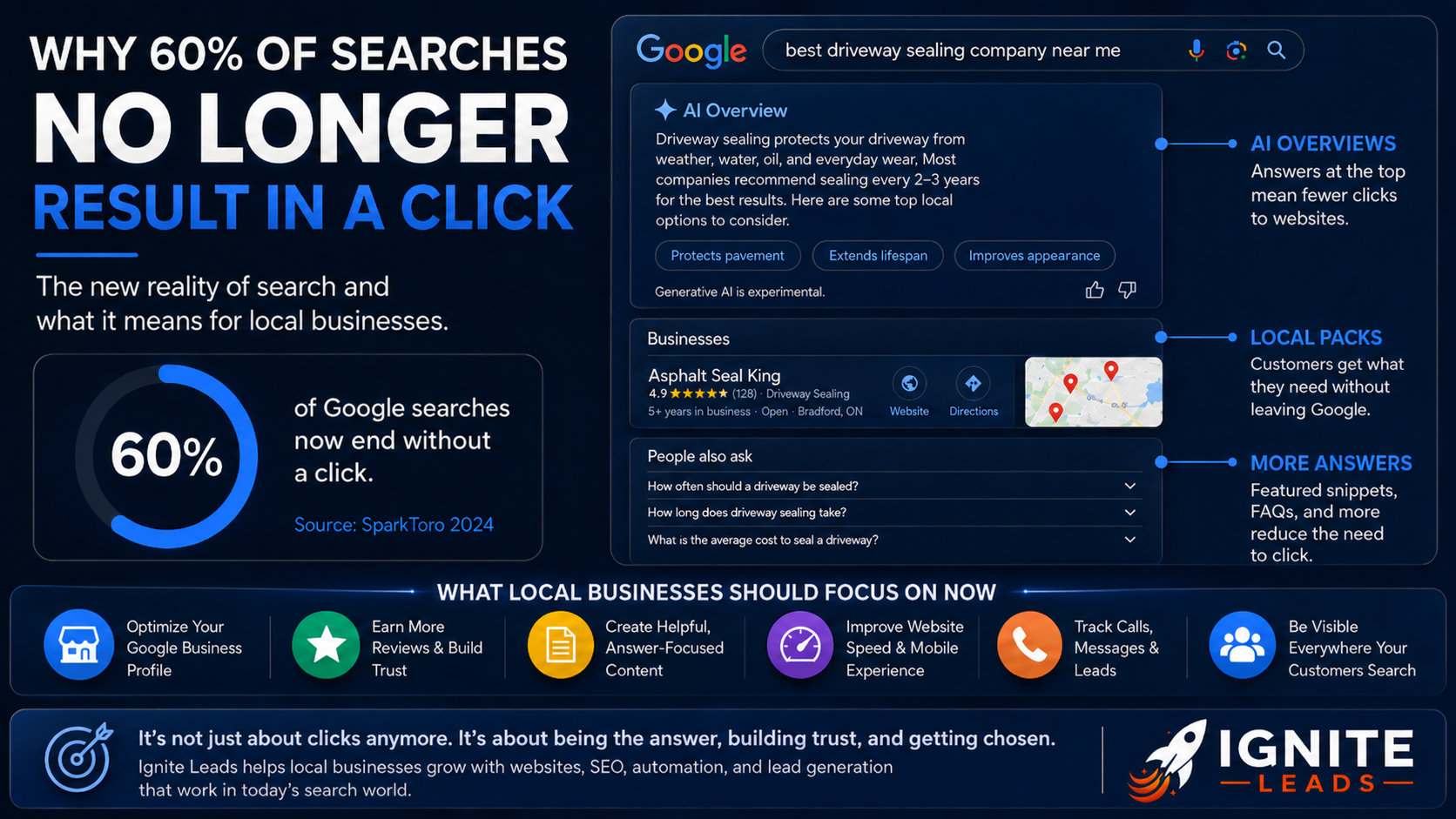
Most local businesses do not have a traffic problem. They have a visibility problem. If you want to know how to rank in Google Map Pack, start with this: Google is not rewarding the business with the nicest website or the biggest ad budget. It is rewarding the listing that looks most relevant, most trusted, and easiest to choose right now.
That matters if you run a garage, spa, clinic, roofing company, coaching business, or any service operation that depends on local calls and bookings. The Map Pack sits above a lot of organic results, especially on mobile. If you are there, you get attention. If you are not, somebody else gets the lead.
How to rank in Google Map Pack without wasting time
There is no single trick that gets you into the top three. Google looks at a combination of relevance, distance, and prominence. Those are the basics. In practice, that means your Google Business Profile, your website, your reviews, your categories, your service pages, your local mentions, and your response speed all work together.
This is where many businesses lose momentum. They treat local SEO like a one-time setup. It is not. Rankings move when competitors get more reviews, improve their listings, add better location pages, or build stronger local authority. If your profile is inactive and your website is thin, you are giving Google no reason to move you up.
Get your Google Business Profile fully built out
Your Google Business Profile is the centre of your Map Pack visibility. An incomplete or sloppy profile creates friction for both Google and potential customers.
Start with the basics and get them right. Your business name should match your real-world branding, not a string of keywords. Choose the most accurate primary category you can, then add secondary categories that reflect your real services. If you are a physiotherapy clinic, that is very different from a wellness centre. If you are a plumber who also does drain cleaning, those service distinctions matter.
Add your service areas if you travel to customers, but do not expect service area settings alone to make you rank across a whole region. Businesses in Barrie, Newmarket, Aurora, and Vaughan often want to rank everywhere at once. That is not how it works. Proximity still matters. You can improve visibility in nearby areas, but you will usually rank strongest closest to your physical location.
Fill in every field that helps a customer make a decision. Hours, phone number, website, appointment link, business description, services, photos, and Q&A all send quality signals. A listing with current photos, accurate hours, and service detail is easier for Google to trust and easier for a customer to call.
Choose categories and services with precision
A common mistake is going too broad. Broad categories can dilute relevance. Tight alignment between your category, your services, and your website content gives Google a cleaner signal.
If your core revenue comes from brake repair, laser hair removal, dog grooming, or mortgage coaching, make sure that service is visible in your profile and clearly supported on your site. Do not rely on a generic homepage to do all the work. When Google sees matching signals across the listing and the website, rankings tend to move faster.
Build local landing pages that support the Map Pack
Your Google Business Profile does not rank in isolation. Your website helps validate what your business does and where it does it.
This is where a lot of service businesses underperform. They have one homepage, a contact page, and maybe a basic services page. That is not enough if you want strong local relevance. You need pages that clearly connect your core services to your main target areas.
If you serve multiple towns, create useful service-area pages that are specific, not copied with the city name swapped out. A page for plumbing in Aurora should sound like a real page for Aurora customers, not a template. Mention the service, the local context, common customer needs, and what action to take next. Thin pages do not help. Good pages reinforce relevance.
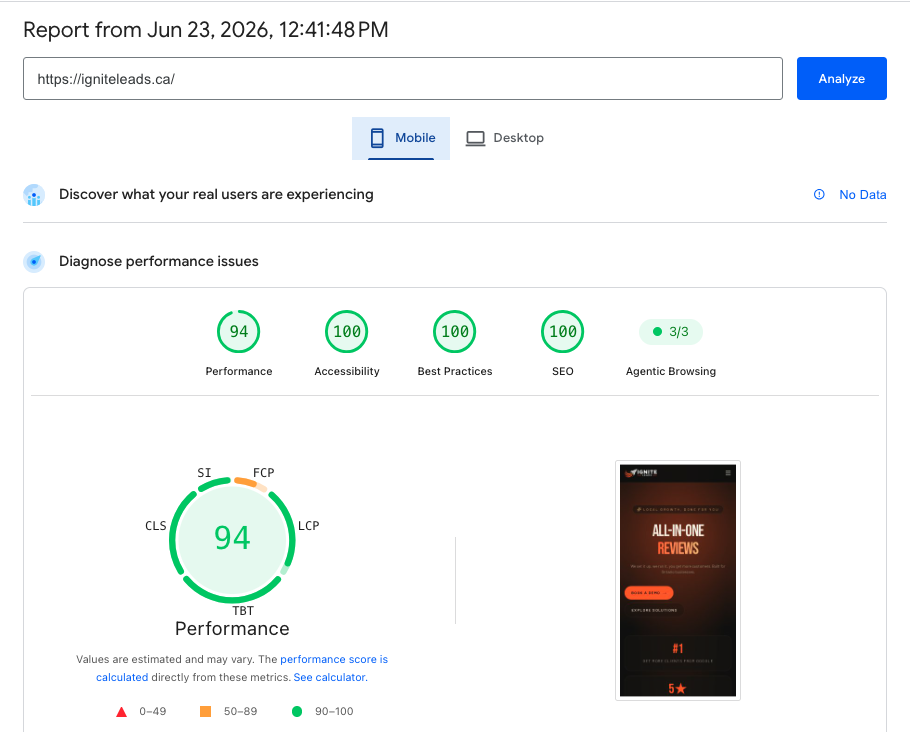
Your on-page basics still matter. Use your main service and location in the title tag, headings, body copy, and image alt text where natural. Add your business name, address, and phone number consistently. Keep mobile speed high. Most Map Pack clicks happen on phones, and slow sites cost leads.
Reviews move rankings and conversions
Reviews are one of the clearest trust signals in local search. They influence click-through rate, customer confidence, and often ranking momentum.
The businesses that win here usually are not doing anything fancy. They simply ask every happy customer, ask at the right time, and make the process easy. Review generation should be a system, not a random favour. If your team only remembers to ask once in a while, you will always be behind businesses that built it into their follow-up.
Quantity matters, but quality matters too. A steady flow of recent reviews is stronger than a pile of old ones. Detailed reviews that mention your service and location can also help reinforce relevance. You cannot script customer language, but you can absolutely improve the odds by delivering a process customers want to talk about.
Reply to reviews as well. It shows activity, professionalism, and customer care. More importantly, it keeps your listing alive. Google tends to favour businesses that maintain their profiles instead of abandoning them after setup.
How to rank in Google Map Pack with stronger local authority
Prominence is where many businesses get stuck. You may have a decent profile and a solid review count, but if Google sees competitors as more established or more talked about locally, they can outrank you.
Local authority comes from consistency and mentions across the web. Your business information should match anywhere it appears. Even small discrepancies in name, address, or phone number can weaken trust. Clean up old listings, duplicates, and outdated contact details.
You also need evidence that your business matters in your market. That can come from local citations, industry directories, branded searches, local press mentions, and a stronger website overall. For multi-location brands, each location needs its own signals. One strong head office profile will not carry weak secondary locations forever.
Keep your profile active
Activity matters because stale profiles look neglected. Add new photos regularly. Post updates when relevant. Answer questions. Update services when your offer changes. Monitor for edits. If users suggest changes and you never review them, your listing can drift away from accuracy.
You do not need to post every day. You do need to show that the business is real, operating, and paying attention.
Behaviour signals matter more than most owners think
Google pays attention to how users interact with listings. If people click your profile, call your business, ask for directions, visit your site, and do not bounce right away, those are useful signals. They suggest your listing is a good match for the search.
That means ranking is not only about technical setup. It is also about conversion. Better photos, stronger review ratings, clear service descriptions, and fast response times improve user action. A profile that gets engagement tends to strengthen over time.
If you miss calls, take hours to reply, or send visitors to a weak page, you are wasting visibility. This is why local SEO and lead handling should work together. More exposure only matters if somebody actually captures the lead.
What stops businesses from ranking in the Map Pack
The biggest problems are usually operational, not mysterious. Wrong primary category, keyword-stuffed business name, inconsistent contact details, weak service pages, too few recent reviews, duplicate listings, and no ongoing activity are common issues.
There is also the location problem. Some businesses want to rank in a town where they do not have a legitimate presence. Google is stricter than it used to be. If your profile setup does not align with real operations, your results may stay weak or disappear entirely.
Competition level matters too. Ranking a locksmith in a dense market is harder than ranking a niche coaching service in a smaller town. The core playbook is the same, but the effort level changes. In tougher markets, you need tighter execution and more patience.
A practical timeline for results
Small improvements can happen within weeks, especially if your profile is incomplete and your competitors are weak. Stronger movement usually takes longer. Reviews, website changes, citation cleanup, and local authority do not compound overnight.
If you want quick wins, fix the profile first, improve your core service pages, and create a review system. That gives you the best chance of lifting both rankings and conversions in the shortest time.
For businesses that want this handled without adding another tool or another vendor to manage, that is exactly where a done-for-you system has an edge. When your profile, website, reviews, follow-up, and lead response are all coordinated, you get better results with less leakage.
Map Pack rankings are not about gaming Google. They are about sending clearer signals than the business down the street and making it easy for customers to choose you. If your setup is accurate, your reviews are growing, your pages support your target areas, and your team responds fast, you give Google a reason to trust you and customers a reason to call.
Allan Heath
Founder of Ignite Leads. Helps local businesses grow through SEO, lead generation, and marketing automation — simplifying the playbook so owners can focus on the work.