Article
How to Improve SEO of a Website for Local Leads
October 8, 2026 • 6 min read
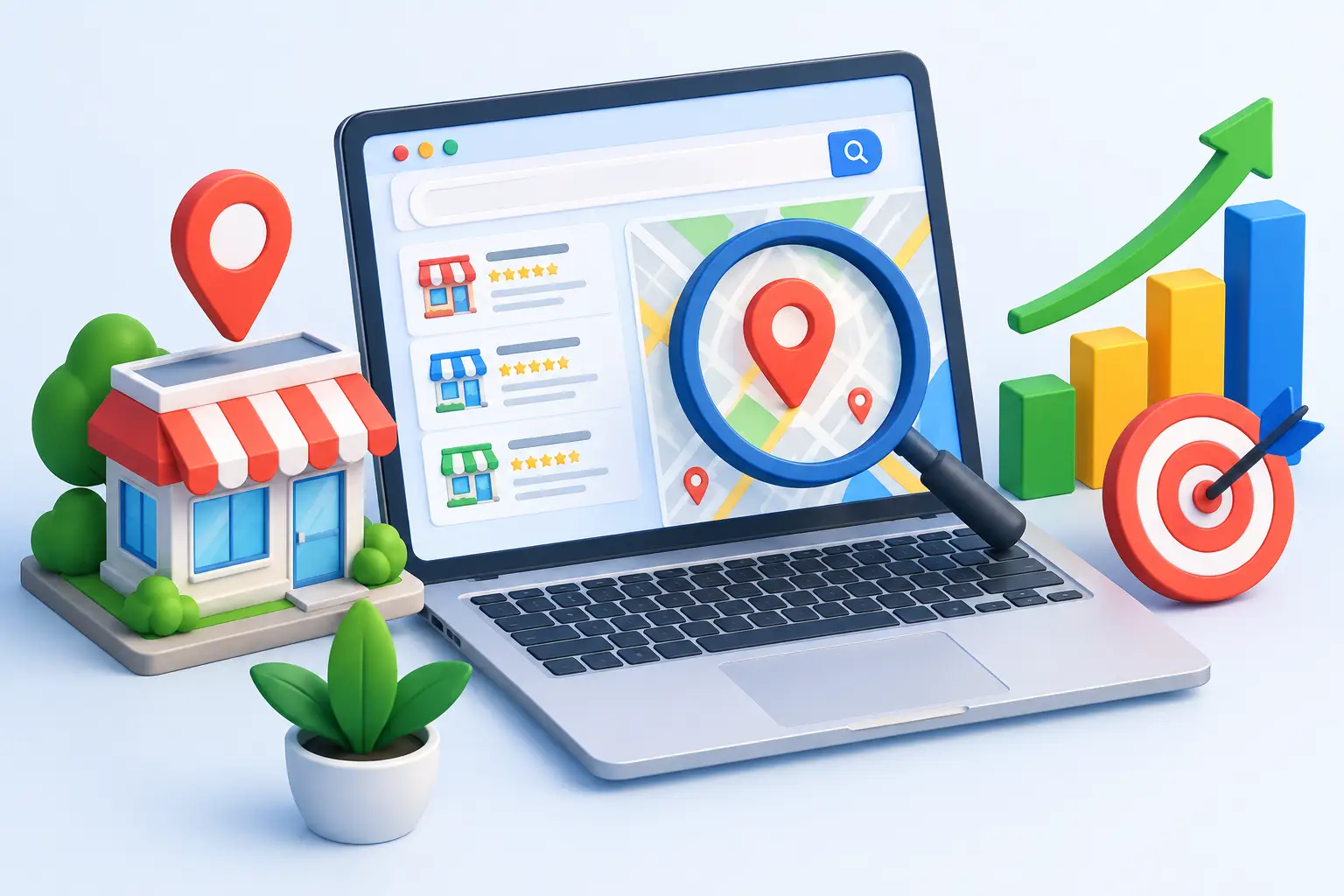
A local business website can look professional and still fail at its real job: generating calls and booked appointments. The gap is usually not a lack of effort. It is that the site, Google Business Profile, reviews, service pages, and lead follow-up are operating separately. To improve SEO of your website, build one system around how local customers actually search, compare, and contact a business.
For an HVAC company, auto shop, med spa, or home service provider, rankings are only useful when they create qualified conversations. That means your SEO work has to support visibility and conversion at the same time.
Start with the pages that make you money
Many local sites have a homepage, an About page, and a contact form. That is rarely enough to rank for high-intent searches. Google needs clear evidence of what you do, where you do it, and why your business is a credible option.
Create a dedicated page for each core service you want to sell. A garage may need separate pages for brake repair, oil changes, tire service, and diagnostics. A spa may need pages for its most valuable treatments. A contractor should separate services that customers search for differently, such as basement renovations, kitchen renovations, and bathroom renovations.
Each page should answer the questions a ready-to-buy customer has: what the service includes, who it is for, what affects the price, how quickly you can help, and how to book. Use the service name naturally in the page title, main heading, body copy, image descriptions, and call to action. Do not repeat the same keyword until the page becomes unreadable. Search engines have moved past that, and customers certainly have.
For service-area businesses, add location context where it is real and useful. If you serve Barrie, Newmarket, Aurora, and Vaughan, explain your coverage area and create location-focused pages only when you can provide distinct, useful information. Thin pages that swap one city name for another add little value and can weaken trust.
Give every service page one clear next step
A visitor should not have to hunt for a phone number or guess what happens after they submit a form. Put a prominent call button and booking option near the top of the page, then repeat the action after key sections.
The best conversion path depends on the service. Emergency plumbing calls need a phone-first experience. Consultative services may perform better with a short estimate form. Either way, keep the form simple. Asking for a name, phone number, service needed, and preferred time is usually enough to start the conversation.
Improve SEO of a website by fixing local signals
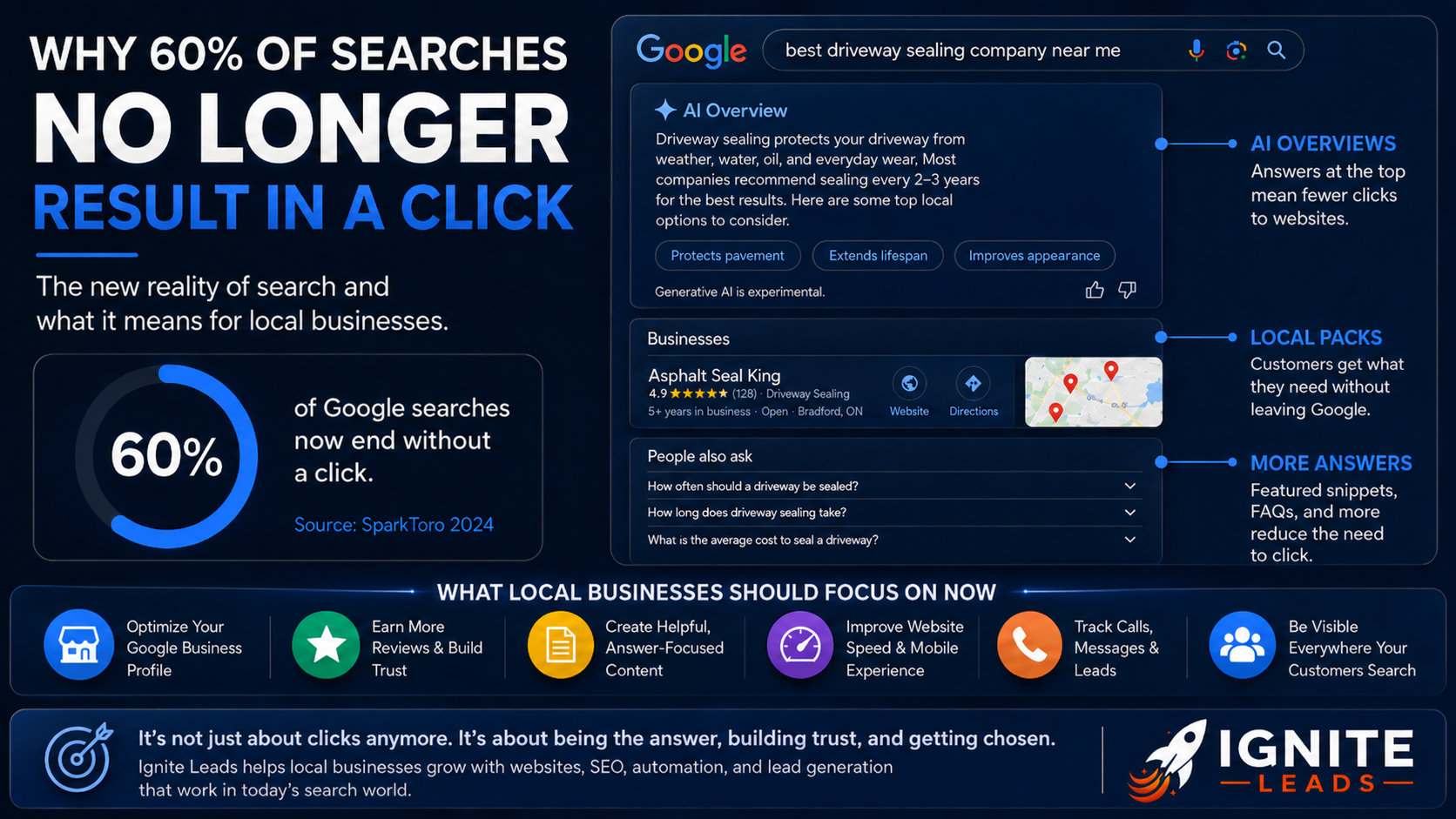
Local SEO is not just adding city names to a page. Google compares signals across your website, Google Business Profile, reviews, business listings, and customer activity. When those signals agree, it is easier for Google to understand where you belong in local results.
Your Google Business Profile deserves the same attention as your website. Confirm that the business name, address, phone number, hours, website address, and primary category are accurate. Choose the category that most closely matches your main revenue-driving service, not the broadest description of your industry.
Add current photos of your work, team, vehicles, storefront, or finished results. Post updates when they genuinely help a customer make a decision, such as seasonal availability, new services, or special hours. More importantly, make sure every lead source routes to a monitored inbox, CRM, or reception process. A listing that produces calls after hours is only valuable if someone responds quickly.
Consistency matters. If your website says one phone number, an old directory shows another, and your social profile uses a different address format, customers may be confused and search engines receive mixed information. Clean up the basics before chasing complicated SEO tactics.
Make reviews part of the operating process
Reviews influence local visibility, but their larger value is conversion. A customer comparing three similar businesses often chooses the one with recent, specific proof of good service.
The mistake is treating review requests as a monthly marketing task. Build them into the customer journey. Send a review request shortly after a successful appointment, completed repair, or positive handoff. Use automation to make the request consistent, but do not make it sound robotic. A short message that thanks the customer and makes leaving feedback easy will outperform a vague request sent weeks later.
Respond to reviews as well. A response shows potential customers that there are real people behind the business. For negative feedback, stay calm, acknowledge the concern, and move the detailed resolution offline. Do not argue publicly or post personal customer information.
Review quality is more useful than empty praise. Comments that mention the service, location, response time, and outcome help future customers understand what you do well. You should never script reviews or offer incentives in exchange for positive ratings. The goal is consistent, authentic feedback from real customers.
Remove technical barriers before adding more content
A slow, broken, or confusing website wastes the visibility you have already earned. Technical SEO does not need to be complicated, but it does need to be maintained.
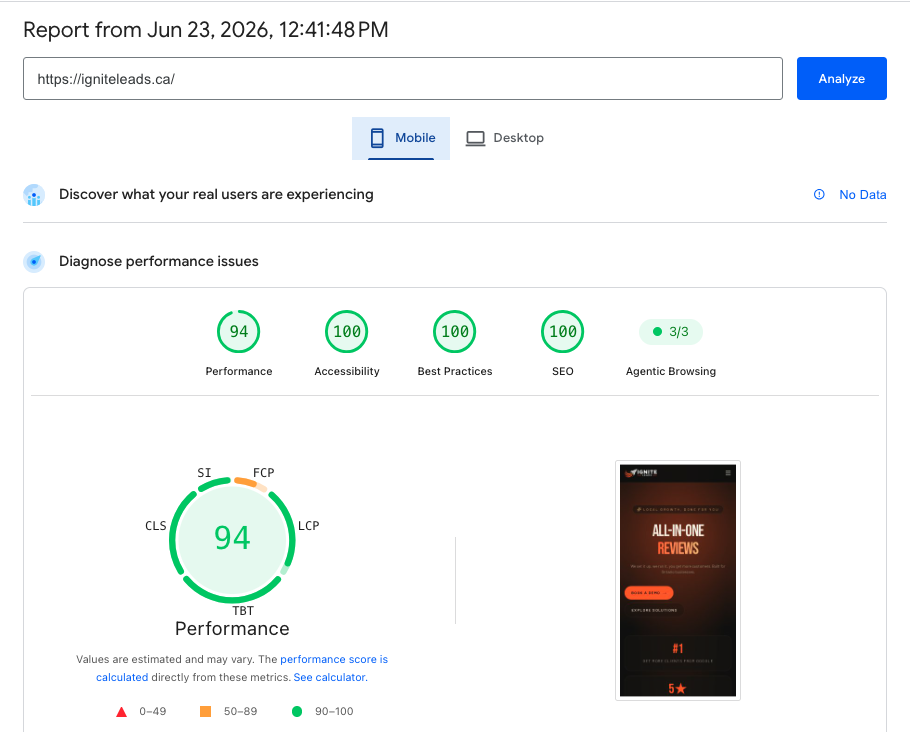
Start with mobile performance. Most local searches happen on a phone, often when someone needs help quickly. Your site should load fast, display cleanly on a small screen, and make calling or booking easy without pinching, zooming, or waiting for oversized images.
Then check the basics: every important page should be indexable, have a unique title and description, use a single clear primary heading, and appear in your site navigation or internal links. Redirect outdated URLs when pages move. Fix broken links. Compress large images. Remove unnecessary pop-ups that block the page before a visitor can see the service information.
Security matters too. Use HTTPS and keep website software, forms, and plugins maintained. A website that is frequently down, flagged as unsafe, or unable to send form notifications is a revenue problem, not just an IT issue.
Publish proof, not filler
Service pages target direct buying intent. Supporting content earns trust and captures customers earlier in their research. The key is to publish material based on actual questions your team hears from prospects.
A roofing company could explain how to spot storm damage before calling for an inspection. A mechanic could cover the warning signs of worn brakes. A coaching business could explain what a first session looks like and who gets the most value from it. These topics help customers and give Google more context about your expertise.
Keep content local and practical when appropriate. A winter maintenance article may be relevant to Ontario drivers. A guide about permit considerations can help homeowners planning a renovation. Do not publish articles simply because a keyword tool reports search volume. If the topic will not help a prospect choose, prepare, or take action, it is unlikely to become a useful business asset.
Add evidence wherever possible: before-and-after photos, project details, team qualifications, service processes, frequently asked questions from real calls, and clear policies. Generic pages are easy to produce and easy for competitors to copy. Specific proof is harder to replace.
Measure leads, not vanity metrics
Traffic growth feels good, but it is not the finish line. A local business can attract thousands of irrelevant visits and still have an empty calendar. Track the actions that move revenue: phone calls, form submissions, booked appointments, quote requests, chat conversations, and qualified leads.
Connect those conversions to the source when possible. You need to know whether calls came from Google Maps, organic search, paid ads, referrals, or direct visits. This tells you where to invest and what to fix. If a service page gets traffic but no inquiries, the offer, call to action, pricing clarity, or page speed may be the issue. If it gets few visitors, visibility is the problem.
Speed-to-lead is part of SEO performance even though it does not directly determine rankings. A customer who calls three businesses will often book the one that answers first. Automated text replies, AI-assisted reception, missed-call follow-up, and a disciplined sales process can turn the same ranking position into significantly more revenue.
SEO works best when it is treated as an operating system, not a one-time website project. Keep the service information current, earn reviews after every successful job, respond to leads quickly, and review what produces booked customers each month. That is how visibility turns into a predictable pipeline rather than another marketing expense.
Allan Heath
Founder of Ignite Leads. Helps local businesses grow through SEO, lead generation, and marketing automation — simplifying the playbook so owners can focus on the work.