Article
What a Local Business SEO Service Should Deliver
October 5, 2026 • 7 min read
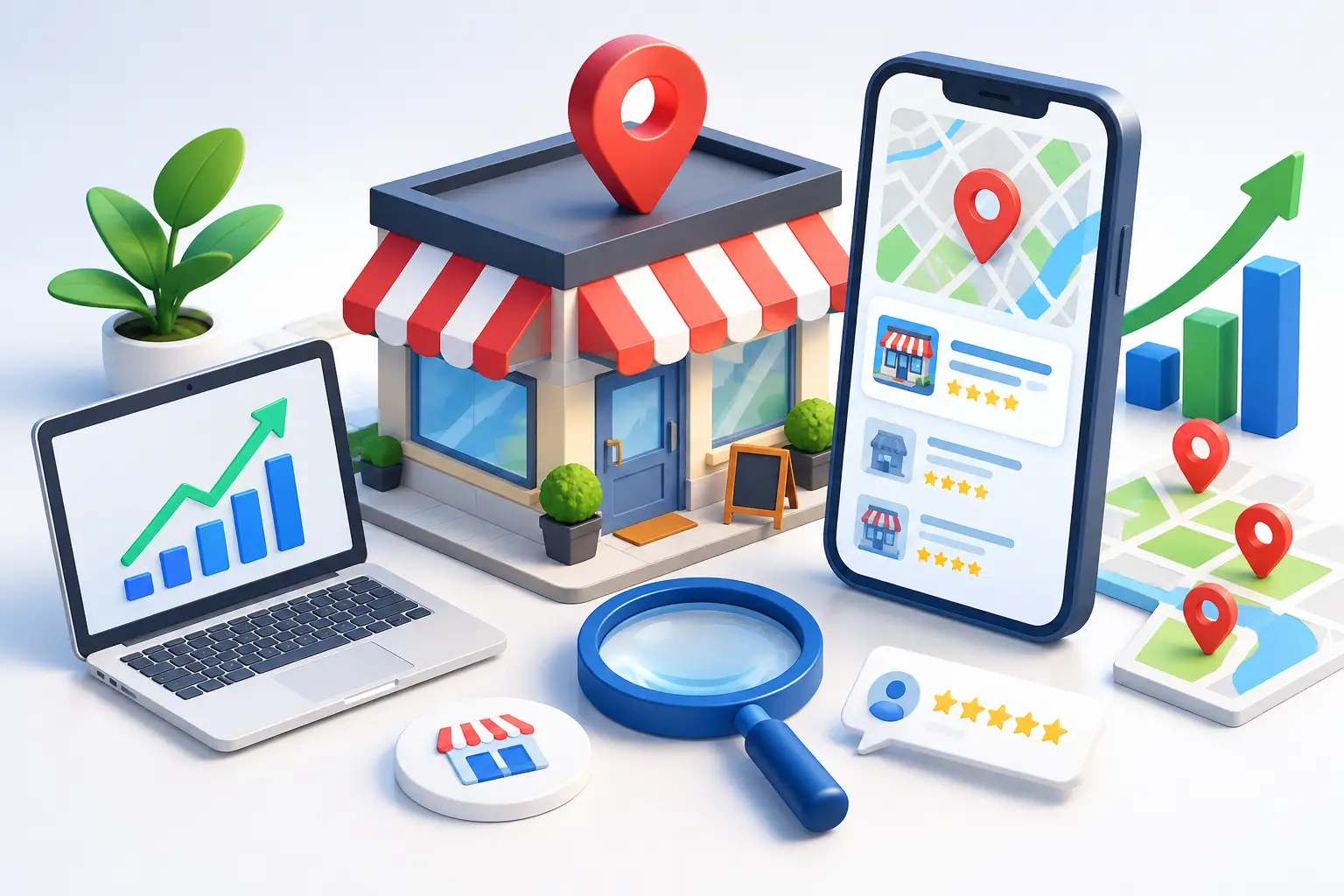
A local business SEO service is not a monthly report full of keyword positions. For a garage, spa, contractor, coach, or multi-location operator, it should produce a working system that makes your business easier to find, easier to trust, and easier to contact. If your phone is quiet, your calendar has gaps, or leads wait too long for a reply, better visibility alone will not solve the problem.
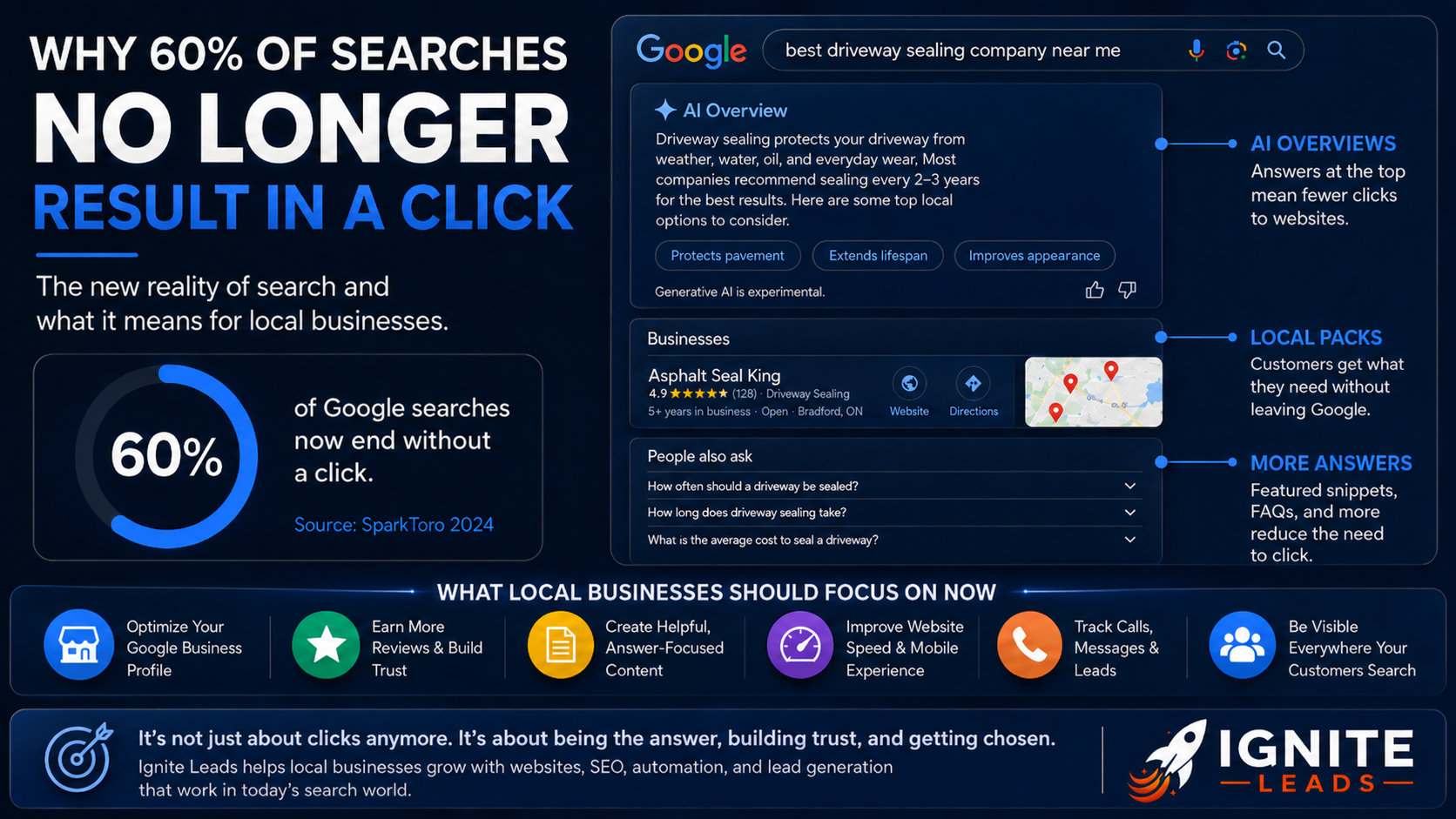
Local search is where customer intent becomes action. Someone searching for an emergency plumber, a brake repair shop, or a nearby massage appointment is usually not researching for weeks. They are comparing a short list and choosing the business that looks credible, answers quickly, and makes booking simple. Your SEO service needs to support that entire decision process.
What a Local Business SEO Service Should Do
The first job is to put your business in front of qualified local buyers. That means showing up when people search for your services in your city, neighbourhood, or surrounding area. It also means appearing accurately in Google Maps, local results, and organic search results when the search has clear purchase intent.
A proper local SEO program starts with the foundation. Your website needs service pages that explain what you do, where you do it, and why a customer should contact you. Your Google Business Profile needs the correct categories, services, hours, photos, business details, and ongoing activity. Your contact information must be consistent across the web so Google and potential customers are not given conflicting signals.
Those tasks sound basic because they are. They are also commonly incomplete. A service business can spend money on ads or social media while its primary Google profile has outdated hours, no recent photos, unanswered reviews, and a website that does not clearly state its service areas. That creates friction at the exact moment a customer is ready to act.
From there, the work should become more specific. A local SEO provider should identify the services that drive the best revenue, the locations worth competing in, and the searches most likely to generate calls or booked appointments. Ranking for a broad phrase can look good in a report, but it has little value if it does not bring the right customers through the door.
Visibility needs to match buying intent
Not every keyword deserves the same effort. A homeowner searching for “how to fix a leaking faucet” has different intent than someone searching for “plumber near me open now.” A coaching business may want visibility for a general topic, but its immediate revenue often comes from searches for coaching sessions, consultations, or specialized programs in a specific area.
The right strategy balances these opportunities. High-intent service pages and a well-managed Google Business Profile usually deserve priority because they are closer to a booking decision. Educational content can help build authority over time, but it should not replace pages that make it clear how to hire you.
For businesses serving Barrie, Newmarket, Aurora, or Vaughan, local competition can vary block by block and service by service. A broad regional page may help, but it will not always outperform a focused page built around a real service offering and a meaningful local market. The goal is not to create dozens of thin location pages. The goal is to make it obvious to Google and customers that your business is relevant to the work they need done.
Rankings Are Only One Part of the System
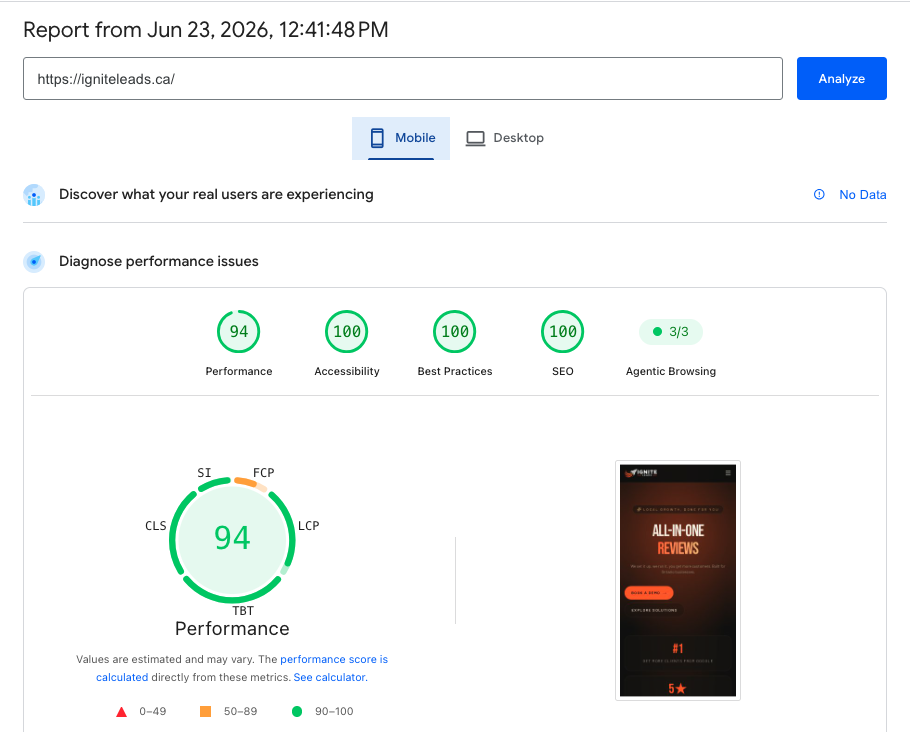
A business can earn more local visibility and still lose leads. That happens when the website is slow, the phone number is hard to find, forms go unanswered, or the team takes hours to return a call. Search engine optimization brings opportunities to your door. Your lead-handling process determines how many become customers.
This is where many local marketing providers stop too early. They improve rankings, send traffic to a website, and leave the owner to manage the rest with a shared inbox and a voicemail box. For a busy service business, that is not a system. It is another task competing with jobs, staff, customers, and operations.
A better approach connects SEO to conversion. Every service page should give visitors a clear next step, whether that is calling, requesting a quote, booking an appointment, or starting a chat. Forms should route into a CRM. New inquiries should receive an immediate response and be assigned for follow-up. Missed calls should not disappear just because your team was serving another customer.
Speed matters because local buyers keep searching. If a prospect contacts three providers and one responds in under a minute while the others call back tomorrow, the fastest business has a major advantage before price is even discussed. AI chat and voice reception can help cover that gap, especially after hours or during busy periods. Automation is not there to make your business feel impersonal. It is there to make sure interested customers receive a useful response while their intent is still high.
Reviews Build the Trust SEO Cannot Create Alone
Reviews affect both visibility and conversion. They give Google fresh signals about a business, but their larger value is customer confidence. When two businesses appear side by side, the one with recent, detailed feedback and thoughtful responses will usually earn more clicks and calls.
The key word is recent. A strong rating built years ago does not carry the same weight as a steady stream of authentic reviews from current customers. Local businesses need a reliable review process that asks at the right moment, makes the request easy to complete, and does not depend on staff remembering to send a link at the end of a long day.
Review generation should be automated, but it still needs judgment. Ask after a completed job, a successful appointment, or a positive customer interaction. Avoid pressuring people, filtering out unhappy customers, or using tactics that put your profile at risk. A sustainable reputation program captures real feedback and gives your team a chance to resolve issues before they become public patterns.
Responding matters too. A short, professional response to a positive review reinforces that you pay attention. A calm response to a negative review shows future customers how you handle problems. You do not need to argue your case online. You need to show that your business is accountable and reachable.
What You Should Expect From Your Provider Each Month
Local SEO takes time, but that does not mean the work should be vague. You should know what is being improved, why it matters, and how it connects to leads. A provider should be able to explain priorities in plain language without hiding behind technical jargon.
Monthly work may include improving service pages, updating your Google Business Profile, adding location-relevant content, managing citations, monitoring rankings, requesting reviews, and resolving technical issues that affect search performance. The exact mix depends on your market, website condition, competition, and business goals. A brand-new company in a competitive category needs a different plan than an established shop with hundreds of reviews and a weak website.
Reporting should focus on business signals: calls, form submissions, bookings, review growth, response time, and visibility for high-value searches. Rankings are useful context, but they are not the finish line. If you rank first for a service and generate no qualified enquiries, something in the offer, page experience, targeting, or follow-up path needs attention.
Be cautious with promises of instant first-page rankings. Google results change, competitors improve, and no legitimate provider controls the algorithm. What a capable team can control is the quality and consistency of the work: the website, local profile, reputation process, tracking, lead routing, and response automation.
Choosing a Service That Reduces Work, Not Adds It
The best local marketing setup is not the one with the most software logins. It is the one your team can actually operate while running the business. If your website company, SEO freelancer, review tool, phone system, and CRM do not communicate, you become the project manager. That usually means follow-up slips and reporting becomes unreliable.
A managed system brings those moving parts together. Ignite Leads combines local visibility, website performance, review generation, CRM automation, and AI-assisted lead handling so service businesses have one team accountable for the path from search to booked customer. That model is especially useful when the owner wants growth but has no interest in becoming the in-house marketing department.
Before choosing any provider, ask a simple operational question: when a local prospect finds us, what happens next? If the answer is unclear, SEO is only solving half the problem. Build the process so every hard-won click has a clear route to a fast response, a real conversation, and a booked opportunity.
Allan Heath
Founder of Ignite Leads. Helps local businesses grow through SEO, lead generation, and marketing automation — simplifying the playbook so owners can focus on the work.