Article
7 Local Marketing Trends Driving More Bookings
September 23, 2026 • 6 min read
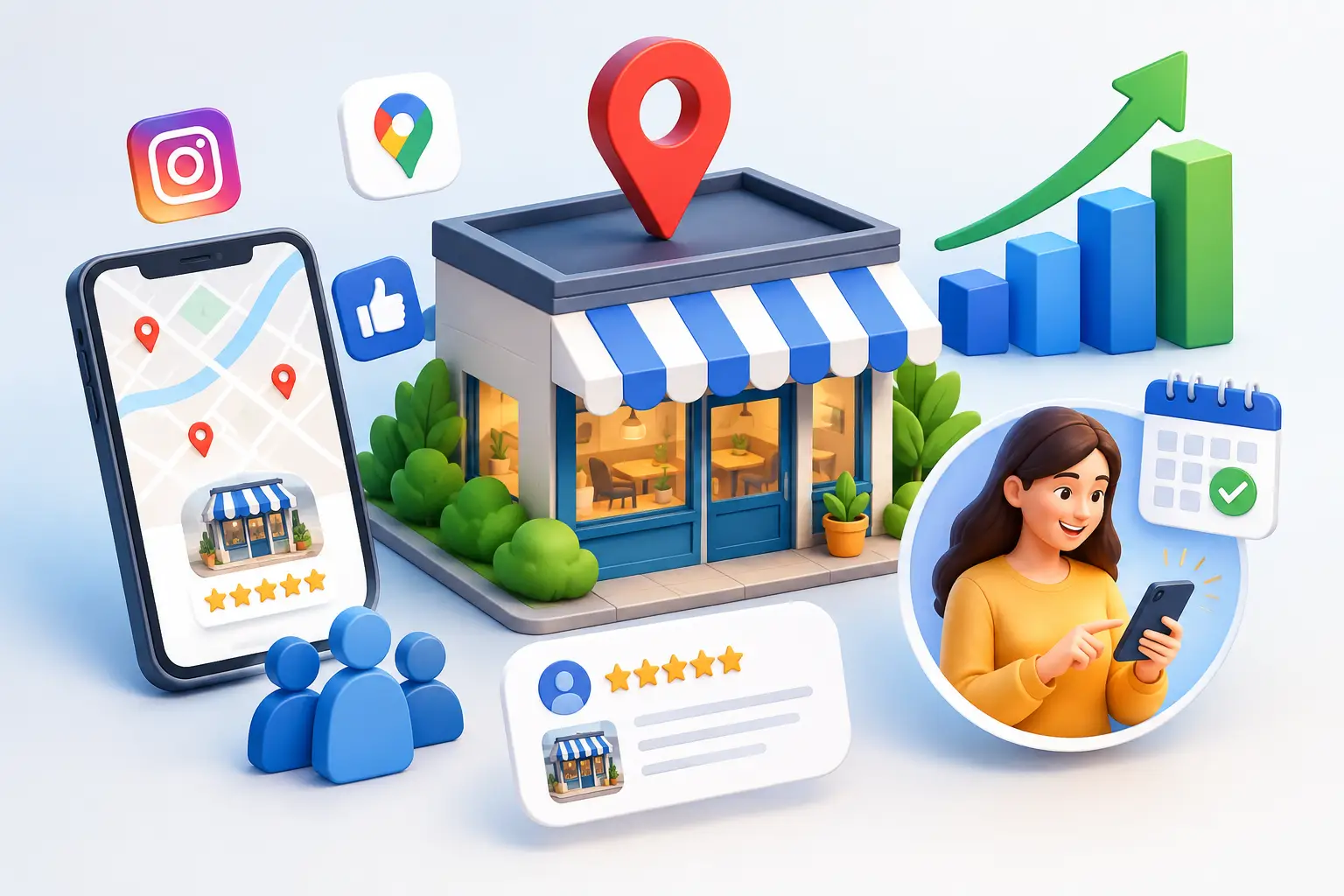
A homeowner searches for a garage repair, spa treatment, or emergency plumber on their phone. They call the first business that looks credible, answers quickly, and makes booking easy. That is the practical reality behind local marketing trends: visibility still matters, but conversion speed now matters just as much.
For service businesses in Barrie, Newmarket, Aurora, Vaughan, and beyond, the goal is not more marketing activity. It is more qualified calls, appointments, and jobs from the demand already in the market. The businesses pulling ahead are building connected systems that make it easy to be found, trusted, and contacted without relying on staff to chase every lead manually.
1. Google Visibility Is Becoming a Conversion System
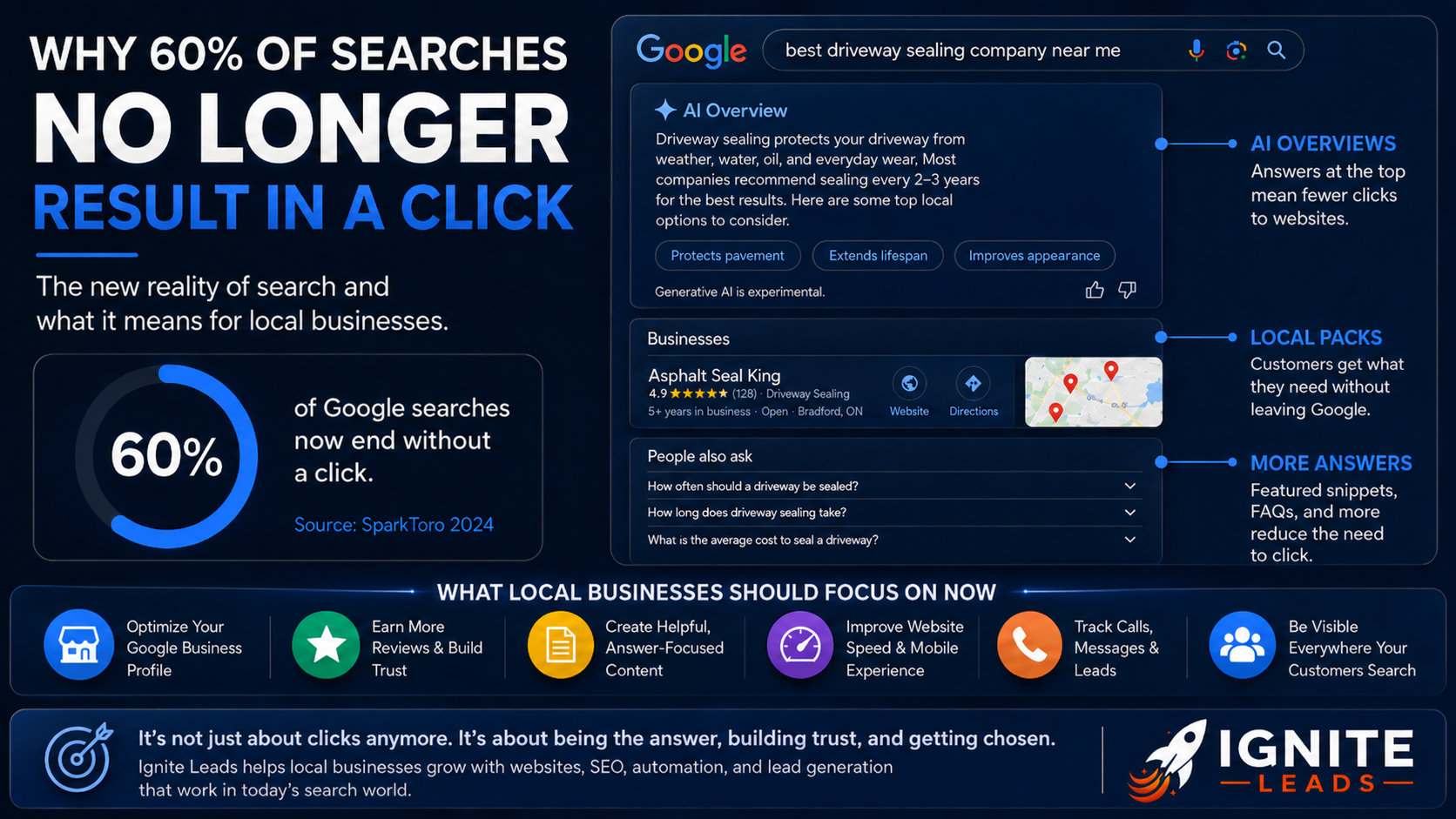
Ranking in local search is still a major growth lever, especially for businesses that depend on service-area searches. But local SEO is no longer just a matter of adding keywords to a website and waiting for results. Google increasingly rewards businesses that show clear relevance, accurate information, active reputations, and a strong customer experience.
A complete Google Business Profile, service pages built around real customer intent, consistent business details, and location-specific proof all work together. A searcher looking for "brake repair near me" or "massage in Barrie" is not looking for a broad brand story. They want to know whether you offer the service, where you operate, what customers think, and how to contact you now.
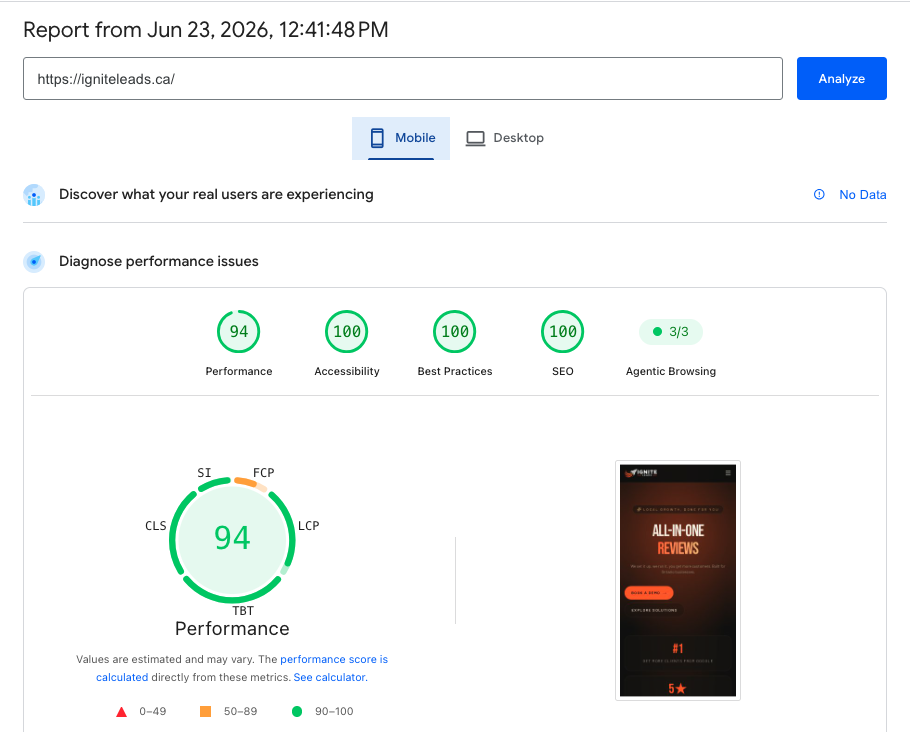
The trade-off is that visibility without a conversion path creates wasted spend. If your site is slow, your phone number is hard to find, or your contact form disappears on mobile, higher rankings will not produce the return they should. Local search needs to connect directly to calls, forms, chat, and appointment requests.
2. Speed-to-Lead Is a Competitive Advantage
Most local businesses do not lose leads because their service is poor. They lose them because they respond after the prospect has already contacted three competitors.
Speed-to-lead has moved from a sales best practice to a basic operating requirement. When someone submits a quote form after hours or sends a message while your team is on a job, an immediate response can keep your business in the conversation. That response does not need to be a full sales call. It needs to acknowledge the request, answer basic questions, and create a clear next step.
AI chat and voice reception are becoming more useful here because they handle the first response consistently. They can capture job details, route urgent enquiries, qualify common requests, and book available times. For a busy contractor or clinic, that means fewer missed opportunities without forcing an owner to monitor messages all evening.
Automation is not a substitute for good service. It is a way to make sure good service starts before a competitor gets there first. The best setup gives customers a fast answer while making it easy for a real team member to take over when the question is complex or the job is high value.
3. Reviews Are Now Part of the Sales Process
A strong review profile does more than improve trust. It can influence local visibility, click-through rates, calls, and whether a prospect contacts you at all. For many service categories, customers compare ratings before they compare pricing.
The trend is not simply asking for more reviews. It is building review generation into the customer journey. A request sent shortly after a successful appointment, repair, or installation will perform better than a vague request weeks later. Timing matters. So does making the process simple on a mobile phone.
Businesses also need a process for responding. A thoughtful response to a positive review reinforces what you are known for. A calm, professional response to a negative one shows prospects that you take accountability seriously. Do not treat reviews as a vanity metric. Treat them as public proof that supports every lead source you pay for.
4. First-Party Lead Data Is Replacing Scattered Tools
Local businesses are increasingly tired of a website company, a separate SEO provider, disconnected inboxes, missed calls, spreadsheets, and an email platform nobody fully uses. The problem is not always the individual tool. The problem is the gaps between them.
A lead who calls from Google, fills out a website form, or responds to an outreach email should enter one system where your team can see the source, status, conversation history, and next action. That is how owners learn which channels create revenue rather than just traffic.
This also makes follow-up more reliable. A missed call can trigger a text-back. A new form submission can receive an immediate confirmation and booking option. An estimate that has not been accepted can receive a timely reminder. These workflows reduce manual work while preventing leads from being forgotten during a busy week.
The right level of automation depends on your business. A one-person operator may need simple missed-call texting and appointment reminders. A multi-location brand may need lead routing, pipeline reporting, and different follow-up paths by location or service. The principle stays the same: every enquiry needs an owner and a next step.
5. Short-Form Content Must Support Local Intent
Video, before-and-after photos, quick customer stories, and practical advice can create familiarity before someone needs your service. But service businesses do not need to post constantly just to appear active. Content works when it answers questions customers actually have and demonstrates work they can verify.
For example, a garage can show what causes uneven tire wear. A home service provider can explain what a homeowner should do before an emergency visit. A spa can show what first-time clients can expect from a treatment. This kind of content reduces uncertainty, gives your sales team useful material to share, and reinforces your expertise across search and social channels.
The key is local relevance and operational consistency. Generic posts with no clear service connection rarely create booked work. A smaller volume of useful content, supported by strong profiles, reviews, and lead handling, usually produces a better return.
6. Outreach Is Becoming More Targeted and More Useful
Inbound leads remain valuable, but relying entirely on Google means competing whenever demand is already high. Targeted cold email and direct outreach can help service businesses create conversations with commercial clients, referral partners, property managers, and organizations that fit their ideal customer profile.
The standard has changed. Broad, impersonal blasts damage credibility and get ignored. Effective outreach is specific about who it serves, why the offer is relevant, and what action should happen next. It should be supported by a credible website, clear proof, and a follow-up process that does not leave replies sitting in an inbox.
For some businesses, outreach will be a major growth channel. For others, it is a way to fill a quieter season or build higher-value commercial work. It depends on the sales cycle, service capacity, and how clearly you can define a good prospect.
7. Managed Systems Are Beating DIY Marketing Stacks
The biggest shift is operational. Local business owners are moving away from the idea that growth requires mastering every platform themselves. They want one accountable system that connects website performance, local SEO, reputation, lead capture, follow-up, and reporting.
That is why a managed approach can outperform a collection of subscriptions. A tool only creates value when it is configured, monitored, and improved. If no one owns the workflow from search to booking, leads slip through the cracks regardless of how many platforms you pay for.
At Ignite Leads, the focus is not on adding marketing tasks to an owner's week. It is on building and operating the system that turns local demand into booked customers. The result should be simple: more calls answered, more reviews earned, clearer reporting, and less time spent chasing disconnected tools.
The businesses that win with these local marketing trends will not be the ones using the most software. They will be the ones that make it easiest for a ready-to-buy customer to find them, trust them, and take the next step.
Allan Heath
Founder of Ignite Leads. Helps local businesses grow through SEO, lead generation, and marketing automation — simplifying the playbook so owners can focus on the work.