Article
Local SEO Aurora Gets More Calls From Google
August 26, 2026 • 6 min read

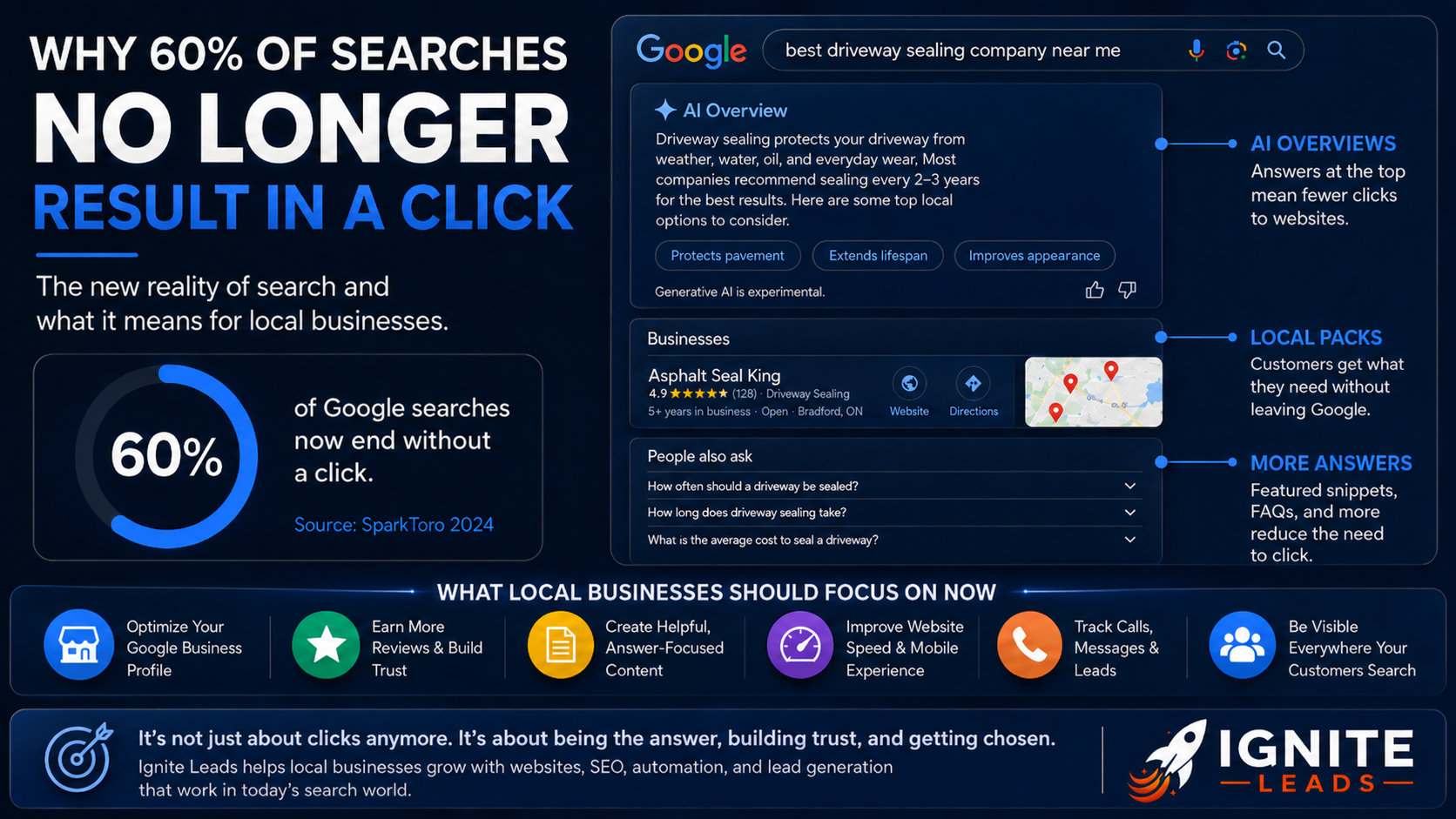
A homeowner in Aurora searches "garage door repair near me" after work. A parent looks for a local tutor before the next school term. A driver needs a mechanic now, not next week. Local SEO Aurora is about putting your business in front of those high-intent searches and making it easy for the customer to call, book, or request a quote.
For service businesses, visibility is only half the job. A top Google position does not help much if your website is slow, your reviews are outdated, or a new enquiry waits hours for a reply. The businesses winning locally connect search visibility with reputation, fast lead handling, and a clear booking process.
What Local SEO in Aurora Actually Does
Local SEO helps Google understand three things: what you do, where you do it, and why local customers should choose you. The goal is not random website traffic. The goal is more calls, quote requests, appointments, and customers from Aurora-area searches.
That usually means showing up more often in Google Maps results, local organic listings, and searches with service-and-location intent. A plumber may want visibility for emergency plumbing in Aurora. A med spa may need to appear for treatments people are actively comparing. An auto shop needs to be visible when someone searches for repairs, inspections, or seasonal tire service nearby.
Google does not rank a business because it has added Aurora to every page. It looks for useful local signals: a complete and active Business Profile, relevant service pages, accurate business information, genuine reviews, a credible website, and evidence that customers engage with the business.
The strongest local strategy also accounts for how service areas work. If you serve Aurora, Newmarket, Vaughan, and Barrie, each market may require different pages, proof points, and offers. Copying the same page four times and switching the city name creates weak content. Build pages around the services, questions, and conversion paths that matter in each area.
Start With the Google Business Profile
For many local searches, your Google Business Profile is the first place a prospect sees your business. It needs to do more than exist. It needs to answer the customer’s next questions quickly: Are you open? Do you offer this service? Do people trust you? How do I contact you?
Use the correct primary category, then add only relevant secondary categories. Make sure your business name, phone number, website, hours, and service area are accurate and consistent. Add real photos of your team, vehicles, work, office, or facility. Generic stock images rarely build confidence when a customer is comparing nearby providers.
Your services should be clearly listed and written in customer language. If customers ask for furnace repair, do not make them guess whether that sits under a vague label such as “home comfort solutions.” If you offer mobile service, emergency work, financing, or online booking, make that visible where it can influence a decision.
Profile activity matters too, but it should not become busywork. Regular updates, current photos, and prompt answers to questions show that the business is active. The priority remains accuracy, reviews, and lead conversion.
Reviews Are a Ranking Signal and a Sales Asset
A five-star rating is not magic. A business with 12 reviews from three years ago may still lose work to a competitor with a slightly lower rating but 150 recent, detailed reviews. Customers pay attention to recency, volume, owner responses, and comments that describe the exact service they need.
The fix is a consistent review request process, not a once-a-year email blast. Ask after a successful appointment, completed repair, or positive handoff. Make the process easy on mobile. Then respond to every review professionally, including the difficult ones.
Do not offer incentives for positive reviews or pressure unhappy customers to stay silent. Those tactics create risk and damage trust. A better system captures feedback early, resolves issues quickly, and makes review collection part of the normal customer journey.
Build Service Pages That Generate Leads
Your website needs pages that match what Aurora customers search for. One generic services page often cannot carry the load for a business with several profitable services. Create dedicated pages for the work you want more of, especially high-value or urgent services.
Each page should explain the problem, the service, who it is for, what happens next, and how to get help. Add local proof where it is legitimate: service area details, customer testimonials, before-and-after examples, certifications, warranty information, and clear response expectations.
Avoid writing pages for search engines alone. A page stuffed with “Aurora” reads poorly and makes the business look less credible. Write for a person deciding whether to contact you. Google increasingly rewards that same clarity because it improves usefulness and engagement.
Conversion design matters as much as page copy. Put your phone number where it is easy to tap on mobile. Use short quote forms. Give customers a specific call to action such as “Request a Same-Day Quote” instead of “Submit.” If your office cannot answer calls after hours, provide a reliable way to capture the lead and confirm the next step.
Speed-to-Lead Is Where Rankings Become Revenue
A local search lead is often comparing two or three businesses at once. The first professional response has a major advantage, particularly for emergency, repair, home service, and appointment-based work. Waiting until the next morning can turn an expensive marketing lead into a competitor’s customer.
This is why local SEO should not sit in a separate box from operations. Your Google visibility, website, call handling, text follow-up, and CRM should work as one system. When a new lead comes in, the business should know who contacted them, what service they requested, where the lead came from, and whether anyone followed up.
Automation can handle the first response without making the experience feel cold. An AI chat assistant can answer common questions and collect job details. Automated texts can confirm a request and set expectations. A voice reception system can capture missed calls outside business hours. Your team then spends its time on qualified conversations instead of chasing incomplete forms and voicemail.
There is a trade-off. Automation should support real service, not hide behind it. Complex estimates, complaints, and high-value jobs still need a knowledgeable human response. The right setup gives customers an immediate acknowledgement while routing meaningful conversations to your team fast.
Measure the Numbers That Lead to Booked Work
Rankings are useful, but rankings alone do not pay wages. Track the path from search visibility to real business outcomes: calls, form submissions, booked appointments, quoted jobs, closed revenue, review growth, and response time.
Look at which services create the best leads, not just the most leads. A lower-volume service may produce larger jobs and better margins. Likewise, a page that ranks third but generates consistent calls can be more valuable than a first-place page attracting low-intent visitors.
Review your data monthly and make decisions from it. If calls are high but bookings are low, the problem may be call handling, pricing communication, or availability rather than SEO. If website traffic is growing but enquiries are flat, your calls to action may be weak. If your profile gets views but few actions, your reviews, categories, photos, or offer may need attention.
A Better Local SEO Aurora System
The businesses that grow consistently do not treat local SEO as a one-time setup. They run it as an operating system for customer acquisition. Their profiles stay accurate, reviews arrive steadily, service pages target real demand, leads receive a fast response, and reporting shows what is producing booked work.
Ignite Leads builds this kind of coordinated setup for service businesses that want one team managing visibility, reputation, website conversion, and automated follow-up. That matters when the owner needs more customers but does not have time to manage five disconnected tools and three different vendors.
If your business is already getting searches but missing calls, slow replies, or weak reviews are costing you jobs, do not start by chasing more traffic. Fix the path from local search to booked customer first. Once that system is working, every gain in Google visibility has a better chance of turning into real revenue.
Allan Heath
Founder of Ignite Leads. Helps local businesses grow through SEO, lead generation, and marketing automation — simplifying the playbook so owners can focus on the work.