Article
Local SEO for Small Businesses in Vaughan That Gets Calls
July 16, 2026 • 6 min read
A Vaughan homeowner searching for an emergency plumber, a dental clinic, or a reliable auto repair shop is not researching marketing. They are looking for someone to call now. Local SEO for small business Vaughan owners is about putting your company in that moment of intent, then making it easy for the customer to choose you.
For service businesses, ranking is only part of the job. A strong local presence must lead to calls, form submissions, booked appointments, and fast follow-up. If your website is slow, your Google Business Profile is incomplete, or reviews are outdated, a competitor can take the lead before you even know it existed.
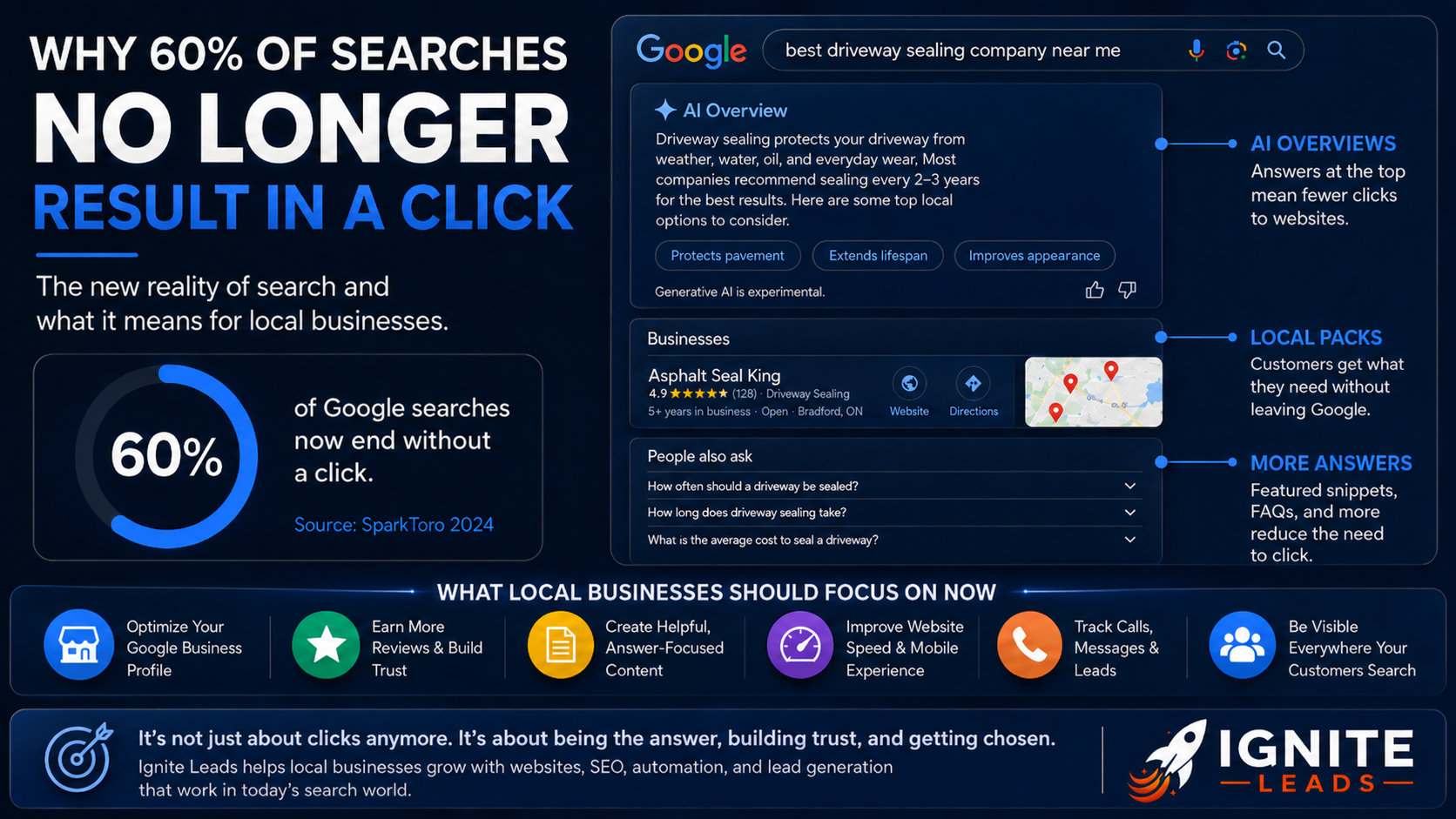
Why Vaughan local search is a revenue channel
Vaughan is a competitive service market. Customers have options across Woodbridge, Maple, Thornhill and Concord, and Google usually shows only a small group of businesses prominently in the map results. The companies that appear consistently have earned trust signals Google can verify: accurate business information, relevant services, recent reviews, local website content, and real engagement.
That does not mean the business with the biggest marketing budget always wins. A well-run local system can outperform a larger competitor with an abandoned profile and a generic website. The advantage comes from execution. Your business details need to match everywhere, your service pages need to answer local buying questions, and every new inquiry needs a quick response.
The trade-off is that local SEO is not an overnight switch. Profile improvements can create movement quickly, especially when basic information is missing. Meaningful ranking gains usually build over time as Google sees consistent relevance, reputation, and customer activity. The businesses that win treat it as an operating system, not a one-time project.
Local SEO for small business Vaughan: the system that matters
Local search works best when visibility, trust, and conversion are managed together. Fixing only one piece creates leaks. More traffic does not help if customers land on a weak page. More reviews will not produce enough calls if your phone is unanswered after hours.
Start with your Google Business Profile
Your Google Business Profile is often the first impression a local customer sees. It should show the correct business name, primary category, service areas, phone number, hours, website, services, and current photos. These details sound basic, but they directly affect whether customers can find and trust you.
Choose the most accurate primary category rather than the broadest one. A garage, for example, should not try to rank as every type of automotive business if its strongest revenue comes from a defined service. Be clear about what you do, then add legitimate supporting services where they apply.
Photos also do more than fill space. Show your team, vehicles, completed work, facility, equipment, and before-and-after results when appropriate. Stock images cannot prove that you serve real local customers. Regular updates signal an active business and give prospective customers more confidence before they call.
Build pages around services, not vague claims
A homepage that says you provide "quality service" across Ontario will rarely do enough to compete in Vaughan. Customers search for specific needs: furnace repair, eyelash extensions, executive coaching, brake service, landscaping, or physiotherapy. Your website needs clear pages that explain each core service, who it is for, what is included, and how to book.
Local relevance belongs in the copy where it is useful. Mention Vaughan and nearby areas when you genuinely serve them, describe local response expectations, and include real examples of the work you handle. Do not create thin pages for every neighbourhood just to repeat the same paragraph with a different place name. That approach adds little value and can weaken trust.
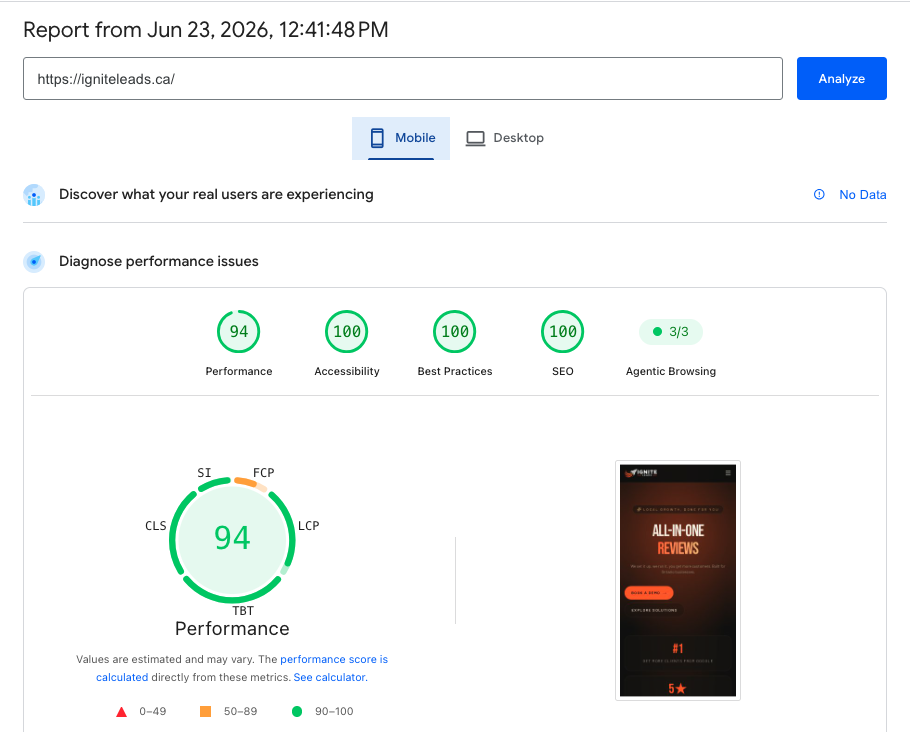
A conversion-ready service page should make three things obvious within seconds: what you do, why a customer should choose you, and how they can contact you. Prominent call buttons, short forms, transparent service information, and clear next steps all reduce friction.
Make reviews a consistent process
Reviews influence both customer decisions and local visibility. A business with 12 reviews from two years ago will usually struggle against a competitor earning credible feedback every month. The goal is not to chase perfect ratings. It is to build a steady stream of honest, detailed customer experiences.
The best time to ask is immediately after a successful job, appointment, or purchase. Waiting several weeks lowers the response rate because the customer has moved on. Make requesting feedback part of the close-out process, using a short text or email that takes only a moment to complete.
Reply to reviews as well. Thank customers by name when appropriate, reference the service without sharing private details, and handle negative feedback professionally. A thoughtful response shows future customers that you take accountability seriously. It also gives your team a chance to spot recurring operational problems before they cost more business.
Keep business information consistent
Google compares your details across the web. If your business name, phone number, hours, or address varies between platforms, it creates uncertainty. This is especially common after a move, phone system change, rebrand, or expansion into new service areas.
Audit your major business listings and correct inaccurate information. Do not use tracking numbers in one place and a main number in another without a clear plan. Do not list a virtual office as a staffed location. Local SEO rewards accuracy, and customers do not forgive confusion when they are trying to reach you quickly.
Rankings do not matter if leads wait
A local lead is perishable. When someone calls for a quote and gets voicemail, they often call the next business in the map pack. The same happens with web forms that sit unanswered until the following day.
Speed-to-lead is where many otherwise strong local campaigns break down. Your team needs a practical process for missed calls, form submissions, text messages, and after-hours inquiries. For some businesses, that means a receptionist. For others, AI-assisted chat, voice reception, automated texts, and CRM workflows can acknowledge the customer immediately and route the request to the right person.
Automation is not a replacement for good service. It is a way to prevent avoidable delays. An instant confirmation, a request for a few job details, or a booking option can keep the conversation alive until a real team member takes over. For busy operators, that is often the difference between a lead source that looks good in a report and one that produces revenue.
Track the numbers that show business impact
Do not judge local SEO only by ranking screenshots. Rankings fluctuate by neighbourhood, device, search history, and the exact words a customer uses. A number-one position for a low-value search is less useful than consistent calls for your best services.
Track calls, form leads, booked appointments, review growth, response time, and close rate. If possible, separate new leads from repeat customers and identify which services generate the highest-value work. This tells you where to invest rather than guessing based on website traffic alone.
There is also a useful reality check: more leads can expose capacity issues. If your team cannot respond, schedule, or deliver at the new volume, marketing spend gets wasted. A managed growth system should account for the full path from search to booked customer, not just the top of the funnel.
What to fix first
If your local presence has been neglected, start with the highest-impact gaps. Confirm that your Google Business Profile is complete and accurate, then make sure your website clearly supports your priority services. Put a review request process in place and remove delays from lead follow-up.
After that, build consistency. Add fresh proof of your work, publish useful service content, monitor customer questions, and review the lead data monthly. This is where an integrated setup becomes easier to manage. One team handling the website, local visibility, reputation, and follow-up can reduce the handoffs that cause leads to disappear.
Ignite Leads works with local service businesses that want that system managed rather than added to an owner's already full to-do list. The point is simple: show up when local customers are ready, make a credible first impression, and respond before the opportunity goes cold.
The next customer searching in Vaughan will choose from the businesses Google puts in front of them. Make sure your business gives them a clear reason to call, and a fast reason to stay.
Allan Heath
Founder of Ignite Leads. Helps local businesses grow through SEO, lead generation, and marketing automation — simplifying the playbook so owners can focus on the work.