Article
Local SEO for Spas That Fills Your Booking Calendar
July 22, 2026 • 7 min read

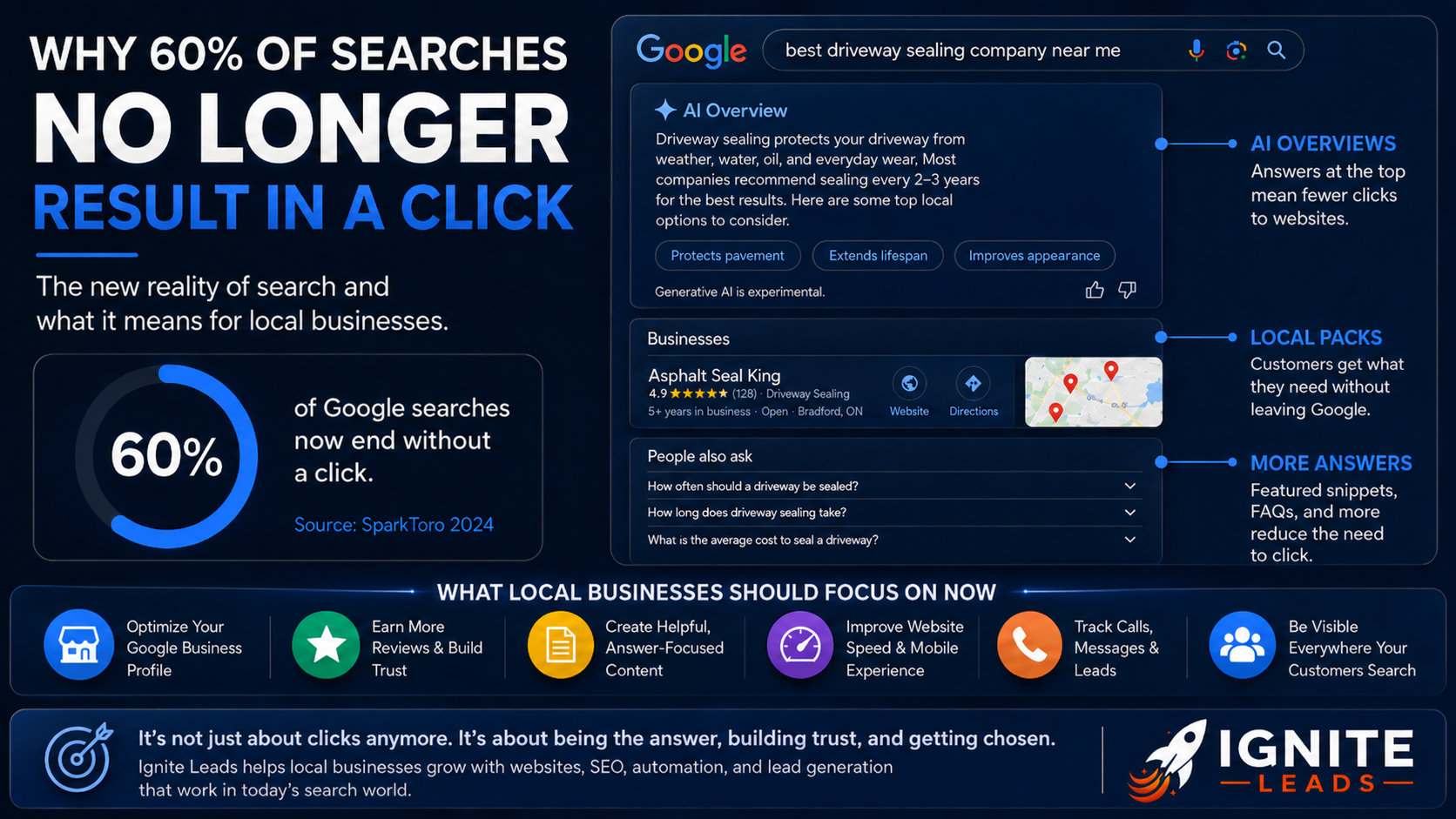
A potential client searches “facial near me” at 8:30 p.m., compares three Google Maps listings, and books with the spa that looks established, nearby, and easy to contact. That is the moment local SEO for spas needs to win. Not next month after a branding exercise. Right then, when the client is ready to spend.
For a spa, local visibility is not a vanity metric. It affects appointment volume, treatment room utilization, retail sales, and how much your front desk has to chase new business. The right system puts your spa in front of high-intent local searches, gives people enough proof to choose you, and makes booking or calling effortless.
What local SEO for spas actually does
Local SEO helps your spa appear when people search Google for services in a specific area. That includes searches for “massage in Barrie,” “chemical peel near me,” “best med spa in Newmarket,” or a treatment you offer plus a neighbourhood name.
Google generally weighs three things: relevance, distance, and prominence. You cannot move your location closer to every searcher, but you can make it clear which services you provide, where you serve clients, and why your business deserves trust. Your website, Google Business Profile, reviews, appointment process, and local mentions all contribute to that decision.
The mistake is treating these as separate marketing tasks. A polished website that does not rank will not create enough demand. A well-ranked profile with thin reviews may lose the click. A strong inquiry flow that gets answered two hours later can still lose the booking. Results come from the full path working together.
Start with the Google Business Profile
Your Google Business Profile is often the first impression clients see. It is the listing that appears in Google Maps and local search results, showing your rating, photos, hours, phone number, services, directions, and updates. For many searches, it is more influential than your homepage.
Claim and verify the profile, then complete every field accurately. Use the real business name only. Adding extra keywords to the name might look tempting, but it creates credibility and compliance risks. Choose the most accurate primary category, then add relevant secondary categories that reflect services you genuinely provide.
Your service list should match the language clients use. Do not rely on broad labels such as “spa services” if you offer registered massage therapy, laser hair removal, hydrafacials, body contouring, manicures, or skin consultations. Add each meaningful service with a short, clear description. This helps Google connect your listing to treatment-specific searches and helps clients understand what they can book.
Keep your holiday hours, phone number, website address, and booking details current. Nothing damages conversion faster than a client arriving to find the spa closed or calling a disconnected number. If your business has multiple locations, each location needs its own accurate profile, local phone number where practical, and location-specific content. Do not create duplicate listings for one physical spa.
Photos matter because spa clients are buying trust, cleanliness, atmosphere, and professional care. Upload current images of the exterior, reception area, treatment rooms, team, equipment, and results where appropriate and compliant with client consent. Avoid generic stock images as the bulk of your profile. They make every spa look interchangeable.
Build service pages that match booking intent
One generic services page is rarely enough. A person looking for laser hair removal has different questions, concerns, and booking intent than someone looking for a relaxation massage. Dedicated treatment pages give Google a clearer page to rank and give prospective clients the details needed to take action.
Each core service page should explain what the treatment is, who it suits, what to expect, common concerns, estimated appointment length, and the next step to book. Include natural references to your city or service area when they are relevant. A page for facials in Vaughan should be useful to a Vaughan client, not a copied page with the city name swapped out.
This is where many spa websites underperform. They use elegant visuals and vague copy, but say little about treatments, providers, pricing approach, consultation requirements, or availability. Design should support conversion, not hide the information that gets a client to call.
A strong local spa website also needs a clear contact path on every important page. Make the phone number easy to tap on mobile, place the booking action where people can see it, and avoid forms that feel like a commitment without explaining what happens next. If someone requests a consultation, your team should know who follows up, how quickly, and what message they receive.
Reviews are a visibility and conversion system
Reviews influence local rankings, but their bigger value is choice. A client comparing two spas may not understand every treatment difference. They do understand recent, specific feedback about a clean facility, knowledgeable staff, painless booking, and visible results.
The goal is not to collect a batch of reviews once a year. Build a repeatable request process after a positive appointment, when the experience is still fresh. A short text or email request works best when it is timely and simple. Ask for honest feedback, not a five-star rating, and never gate requests by only inviting happy customers to leave public reviews.
Respond to reviews consistently. Thank clients for the feedback, keep replies professional, and avoid discussing private treatment details. For a negative review, acknowledge the concern, offer to continue the conversation privately, and investigate the operational issue behind it. A thoughtful response can reassure future clients that your business takes service seriously.
Review velocity matters more than many owners realize. Fifty reviews from years ago do less for current trust than a steady stream of recent feedback. Automation can remove the manual work here, but it still needs sensible timing and a team process that protects the client experience.
Make local authority credible, not artificial
Google looks for signs that a business is established in its market. Consistent business information across relevant directories, local partnerships, community involvement, and legitimate mentions can help reinforce that signal.
Start by ensuring your name, address, and phone number are consistent wherever your business is listed. Small mismatches such as “Suite 2” on one profile and “Unit #2” on another can create confusion. This is not usually the single reason a spa fails to rank, but it is basic operational hygiene.
Then focus on credibility sources that make commercial sense. A spa participating in a local charity event, collaborating with a nearby bridal business, or being recognized by a respected community organization may earn genuine local exposure. Do not buy low-quality directory links or publish dozens of thin location pages for towns where you have no physical presence. Those shortcuts can waste budget and make your marketing footprint look manufactured.
Speed-to-lead protects the demand you create
Ranking is only half the job. If your spa appears in Maps but calls go unanswered, messages sit overnight, or web leads receive no reply, you are paying for attention you cannot convert.
Set a response standard. During business hours, new inquiries should receive a fast human response or an immediate automated acknowledgement that confirms the request and states when someone will follow up. After hours, an AI chat or voice reception workflow can answer basic questions, capture contact details, and route urgent booking intent into your CRM. It should not replace clinical judgment or give treatment advice beyond approved information.
Track what happens after the lead arrives. How many calls were answered? How many consultation forms received a response? How many inquiries booked, showed up, and became repeat clients? These numbers show whether an SEO issue is actually a visibility issue or a follow-up issue.
For many Ontario spas, the gap is not a lack of leads. It is fragmented tools, inconsistent front-desk coverage, and no clear system for turning an inquiry into an appointment. Ignite Leads approaches local growth as one connected operation: visibility brings in demand, reputation removes hesitation, and fast follow-up converts the opportunity.
Measure bookings, not just rankings
A ranking report can look impressive while your calendar stays uneven. Track calls from Google, website form submissions, consultation bookings, direction requests, booked treatment revenue, and no-show rates. If possible, separate new-client inquiries from existing-client bookings so you can see what local search is truly adding.
Rankings still matter, especially for high-value treatments and competitive local terms. But position can fluctuate based on the searcher’s location, device, and search history. The better question is whether your spa is getting more qualified calls and bookings from the areas you want to serve.
Improve one constraint at a time. If visibility is weak, strengthen your profile and treatment pages. If clicks are weak, improve photos, reviews, and listing information. If inquiries are strong but bookings lag, fix response time and booking friction. That is how local SEO becomes a controlled acquisition system instead of another marketing expense.
Your next booking may come from a client who has never heard of your spa and is comparing options in under two minutes. Give that person clear proof, an easy next step, and a fast answer when they reach out.
Allan Heath
Founder of Ignite Leads. Helps local businesses grow through SEO, lead generation, and marketing automation — simplifying the playbook so owners can focus on the work.