Article
SEO Aurora: How Local Businesses Win More Calls
August 1, 2026 • 6 min read

A homeowner in Aurora searches for an emergency plumber at 8:15 p.m. They do not want a marketing lesson. They want a business that appears credible, is easy to contact, has recent reviews, and answers quickly. That is what SEO Aurora should deliver: more qualified local opportunities, not a spreadsheet full of rankings that never turn into revenue.
For service businesses, Google visibility is only one part of the job. The real system starts with being found, then moves to trust, response speed, booking, and follow-up. If one part breaks, leads leak out. A strong local SEO plan connects each step so the phone rings more often and fewer enquiries go cold.
What SEO Aurora Actually Means for a Service Business
SEO in Aurora is the process of making your business easier to find when nearby customers search for the services you provide. That includes searches with a location, such as “garage door repair Aurora,” but it also includes high-intent searches where Google understands the customer is local, such as “same-day furnace repair” or “best massage near me.”
The goal is not to show up for every possible phrase. A roofing company does not need traffic from people researching roofing careers, and a spa does not benefit from visitors outside its service area who will never book. Effective local SEO prioritizes searches that signal a customer is ready to call, request a quote, or schedule an appointment.
Google decides which local businesses to show using signals such as relevance, distance, prominence, website quality, review activity, and the accuracy of business information across the web. You cannot control every factor. You can control whether your business gives Google clear, consistent evidence that it is active, trusted, and relevant to Aurora customers.
Your Google Business Profile Is the Local Front Door
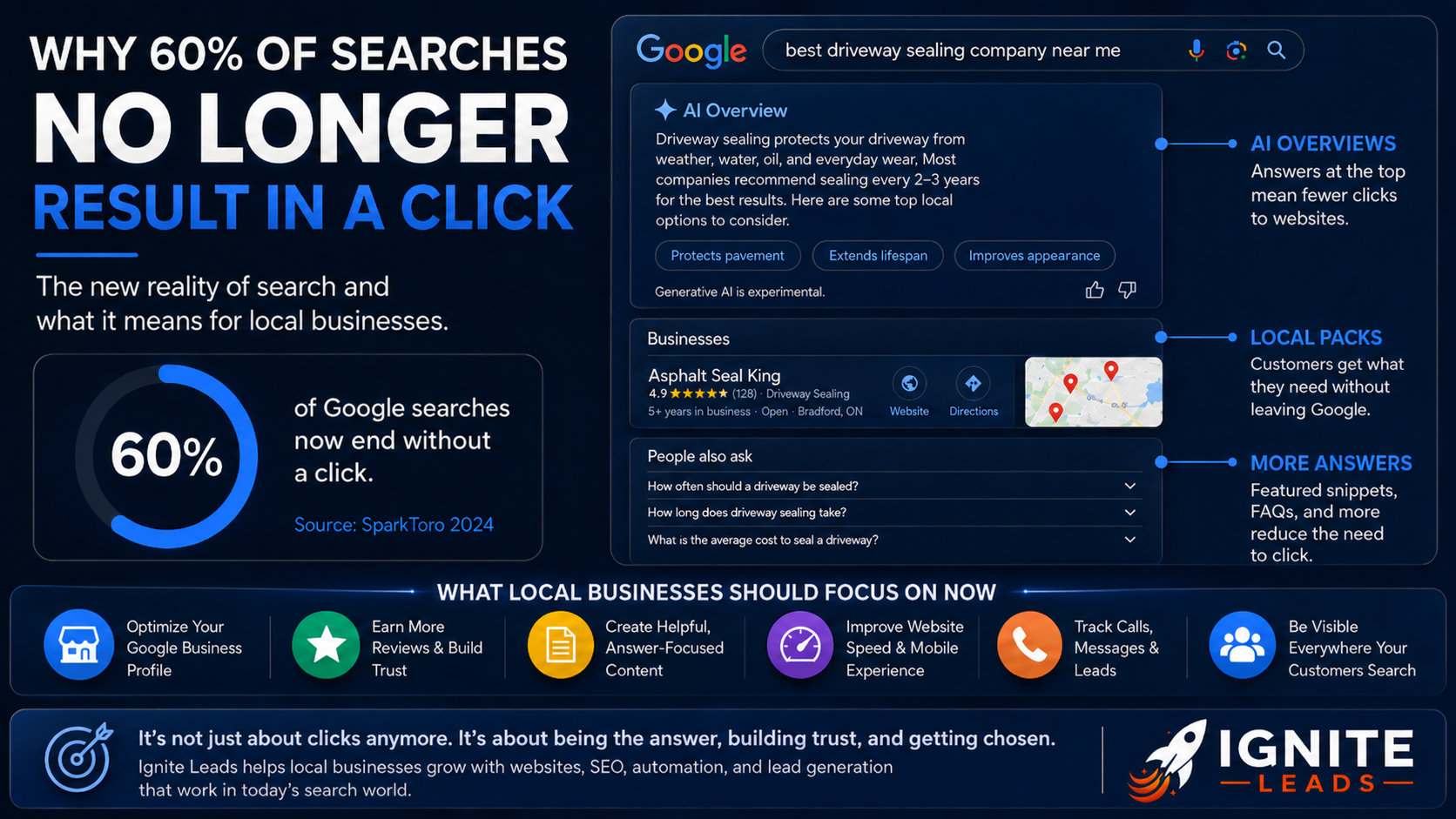
For many searches, your Google Business Profile is seen before your website. Customers look at your rating, photos, service list, opening hours, map location, and recent reviews before deciding whether to contact you. An incomplete or neglected profile tells customers to keep looking.
Start with the basics: use the correct business name, primary category, phone number, website, address or service area, and hours. Then build it out with the services you actually sell. A general category is necessary, but service details help Google connect your listing to specific customer needs.
Photos matter because local customers want proof that your business is real. For home service companies, show branded vehicles, completed work, team members, and before-and-after results. For clinics, salons, garages, and studios, show the space, staff, equipment, and work in progress. Stock photos may fill a gap, but authentic images build more confidence.
Keep the profile current. Holiday hours, temporary closures, changed phone numbers, and outdated service information create lost calls and poor reviews. This is a simple operational task, but it has a direct effect on conversions.
Reviews Build Rankings and Remove Doubt
Reviews are not just a reputation asset. They help customers choose between businesses that offer similar services, and they give Google fresh signals about your business. A steady flow of genuine reviews is stronger than a one-time burst followed by months of silence.
The best time to ask is after the customer has received a clear result: the repair is complete, the appointment is finished, the project milestone is approved, or the vehicle is returned. Make the request easy and timely through a text or email workflow. Your team should not have to remember every time.
Do not buy reviews, pressure customers, or filter requests so only happy customers are invited to leave feedback. Those tactics create risk and usually produce a review profile that feels artificial. Ask every eligible customer, respond professionally, and use feedback to improve the customer experience.
A short response to a review is also a public signal. Thank customers by name where appropriate, reference the service without sharing private details, and address concerns calmly. Future customers read these responses closely, especially when choosing a provider for a higher-value or urgent job.
Build Service Pages That Match How People Search
A single homepage cannot do all the work. Your website needs dedicated pages for the services that generate revenue. Each page should explain the problem you solve, what is included, who it is for, your service area, and the next action a customer should take.
For example, an auto shop may need separate pages for brake repair, tire changes, oil changes, diagnostics, and seasonal maintenance. A home service business may need pages for installations, repairs, emergency calls, and maintenance plans. These pages give Google clearer relevance while helping customers land on the exact service they need.
Avoid making dozens of thin city pages that repeat the same copy with Aurora swapped for another town. Google has become better at recognizing low-value location pages, and customers can spot generic copy immediately. A location page is worthwhile when it includes useful local context, real service details, proof of work in the area, and a clear reason to choose your business.
Every page should make contact easy. Put the phone number, quote request, booking option, and response expectations where a customer can find them without hunting. On mobile, friction costs leads quickly. If a customer must pinch, scroll, wait for a slow form, or wonder when you will respond, they may call the next listing.
Technical SEO Matters Because Slow Websites Lose Leads
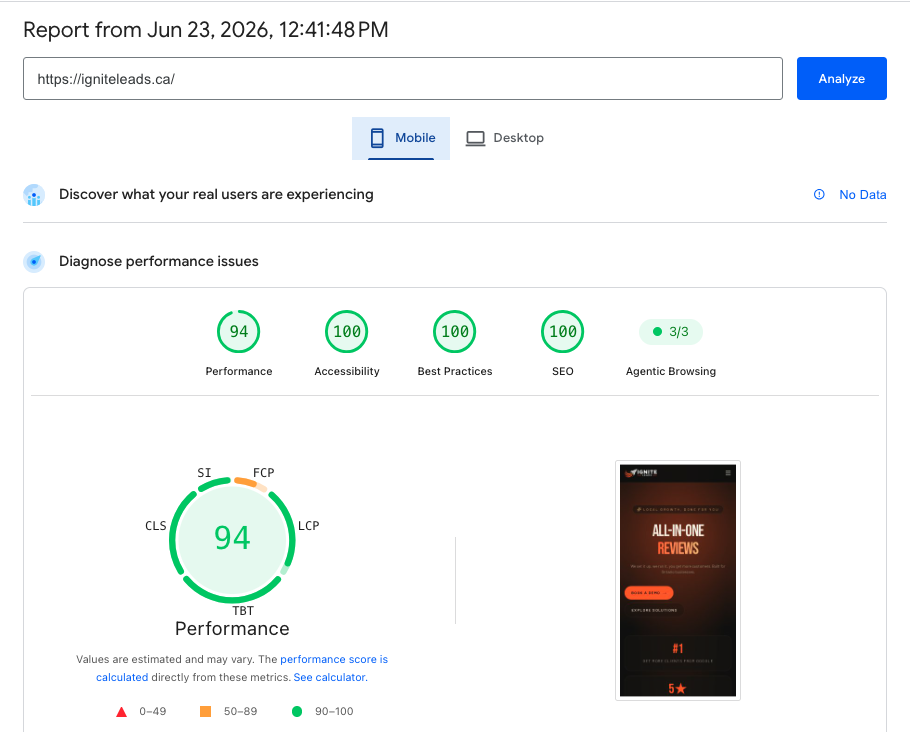
Local SEO is often discussed as listings and reviews, but website performance still matters. A site should load quickly, work properly on a phone, use clear page headings, and allow Google to crawl the important pages. Broken forms, dead pages, duplicate content, and confusing navigation waste the traffic you worked to earn.
There is a practical trade-off here. A visually elaborate website may look impressive, but heavy animations and oversized media can slow it down. For most service businesses, clarity beats decoration. Customers need proof, pricing guidance where appropriate, service information, and a fast path to call or book.
Tracking should be set up before major changes are made. Monitor calls, form submissions, booked appointments, direction requests, and the source of your leads. Rankings are useful diagnostic data, but they are not the finish line. A number-one position for a low-value search is less meaningful than a third-place position that consistently produces profitable jobs.
The Ranking Is Only Half the System
A common mistake is treating SEO as separate from lead handling. It is not. If your business ranks well but takes two hours to reply to a form submission, the customer may already be booked with a competitor. The same applies to missed calls after hours, unanswered web chat, and quote requests that sit in an inbox.
Fast follow-up changes the value of every marketing channel. When a new lead receives an immediate confirmation, clear next steps, and a quick call back, the chance of booking improves. Automation can handle the first response, route the enquiry to the right person, send reminders, and keep the conversation moving until a staff member takes over.
This is where a managed system has an advantage over disconnected tools. Your website, Google profile, review requests, CRM, call tracking, and follow-up should not operate as separate projects. They should share one objective: turn local search demand into booked customers with less manual effort from your team.
How to Judge an SEO Aurora Provider
Be cautious of anyone promising guaranteed first-place rankings in a specific timeframe. Google results change based on location, competition, search history, and the customer’s device. No provider controls those variables completely.
Instead, ask how they will improve your Google Business Profile, what pages they will build or improve, how review generation will work, and how results will be measured. You should also know who owns the website, listings, accounts, and content if the relationship ends. Clear ownership prevents expensive problems later.
A capable provider will ask about your best services, profit margins, service radius, busy periods, current lead response process, and capacity. Those questions matter because more leads are only useful if you can serve them well. A business with two technicians may need a different strategy than a multi-location operation with dedicated call staff.
Local growth is not about chasing every marketing tactic. It is about fixing the path between a customer’s search and your booked calendar. Keep your information accurate, make trust visible, respond while the lead is still warm, and measure the outcomes that pay the bills. That is how Aurora search visibility becomes dependable business growth.
Allan Heath
Founder of Ignite Leads. Helps local businesses grow through SEO, lead generation, and marketing automation — simplifying the playbook so owners can focus on the work.