Article
SEO Services for Small Businesses That Drive Calls
October 10, 2026 • 7 min read

When a homeowner in Barrie searches “emergency plumber” or a driver in Vaughan searches “auto repair near me,” they are not researching marketing strategies. They are looking for someone to call now. That is why seo services for small businesses should be built around one outcome: putting your business in front of high-intent local customers, then making it easy to turn that attention into booked work.
A higher ranking alone does not fix missed calls, slow replies, poor reviews, or a website that gives visitors no reason to contact you. Effective local SEO is part of a connected customer acquisition system. It gets you found, builds trust, captures the lead, and helps your team respond before the customer contacts the next business on the list.
What SEO services should actually do for a small business
For a local service business, SEO is not about attracting the largest possible audience. It is about attracting the right people in the areas you serve, at the point they need your service. A garage needs drivers searching for repairs nearby. A spa needs people ready to book. A contractor needs homeowners with a job to solve.
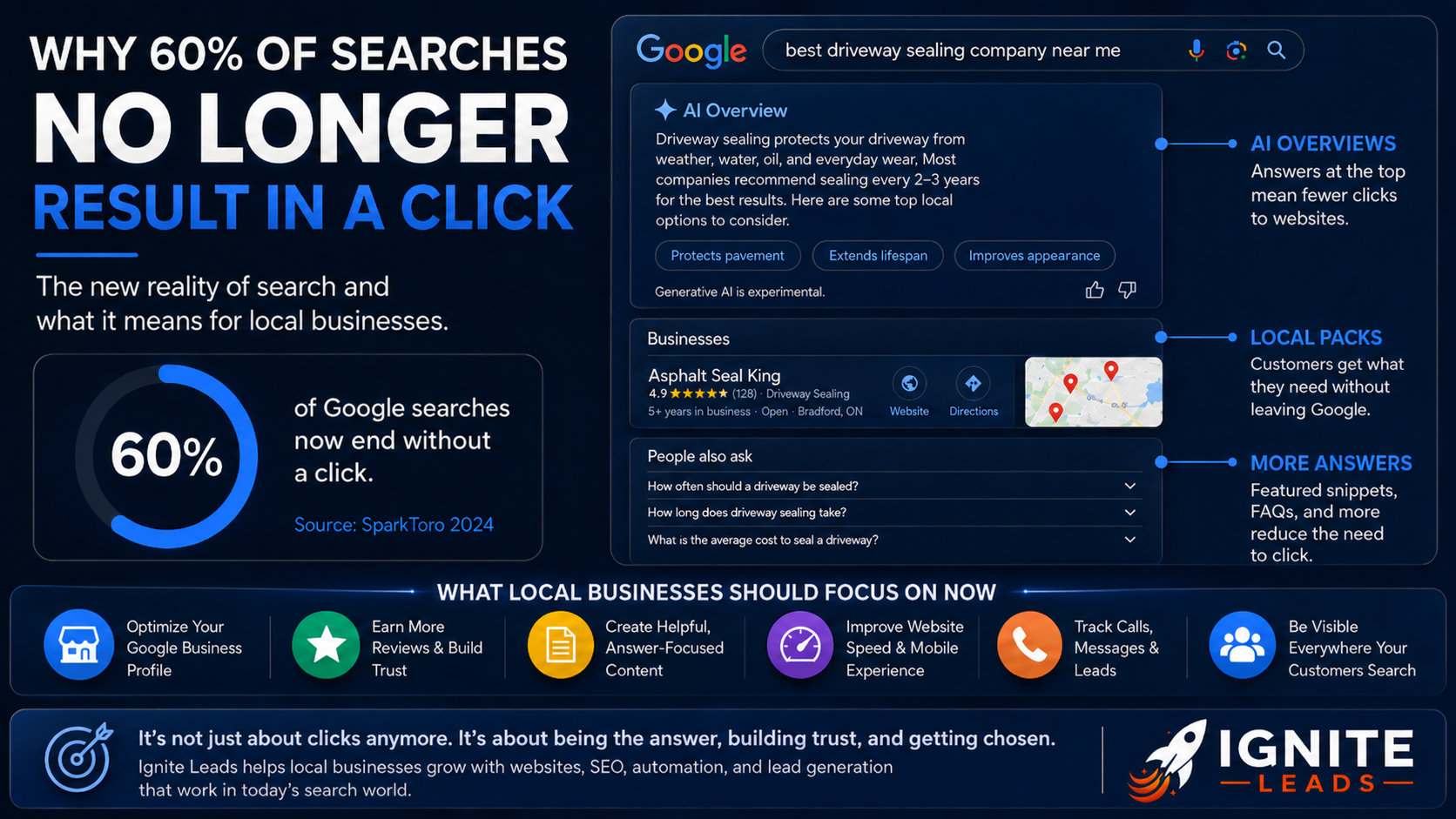
The right SEO work improves your position in Google Search and Google Maps for relevant local searches. More importantly, it gives potential customers the proof they need to choose you: a clear website, accurate business information, recent reviews, service pages that answer real questions, and a simple path to call or request an appointment.
This approach is more useful than chasing broad traffic numbers. One hundred visitors from outside your service area do not help much if they never call. Ten visitors searching for a specific service in your town can produce real revenue.
Local SEO is where the buying intent is
Local search has a short path from question to action. Someone may search “massage near me,” compare a few profiles, read reviews, and book within minutes. That makes your Google presence one of your most valuable sales assets.
A solid local SEO program starts by making sure Google can confidently understand three things: what you do, where you do it, and why your business is a credible choice. If any of those signals are weak or inconsistent, competitors with a better-managed presence can appear ahead of you even when your actual service is better.
Your Google Business Profile needs active management
Your Google Business Profile is often the first thing a customer sees. It needs the correct primary category, accurate services, service areas, hours, contact information, current photos, and a process for handling reviews. These details sound basic, but they directly affect visibility and conversion.
An incomplete profile leaves room for doubt. A maintained profile tells a customer they are dealing with an active, legitimate business. For businesses serving Newmarket, Aurora, Barrie, or Vaughan, local relevance also comes from presenting service information consistently across your website and business listings.
Your website must convert the traffic SEO creates
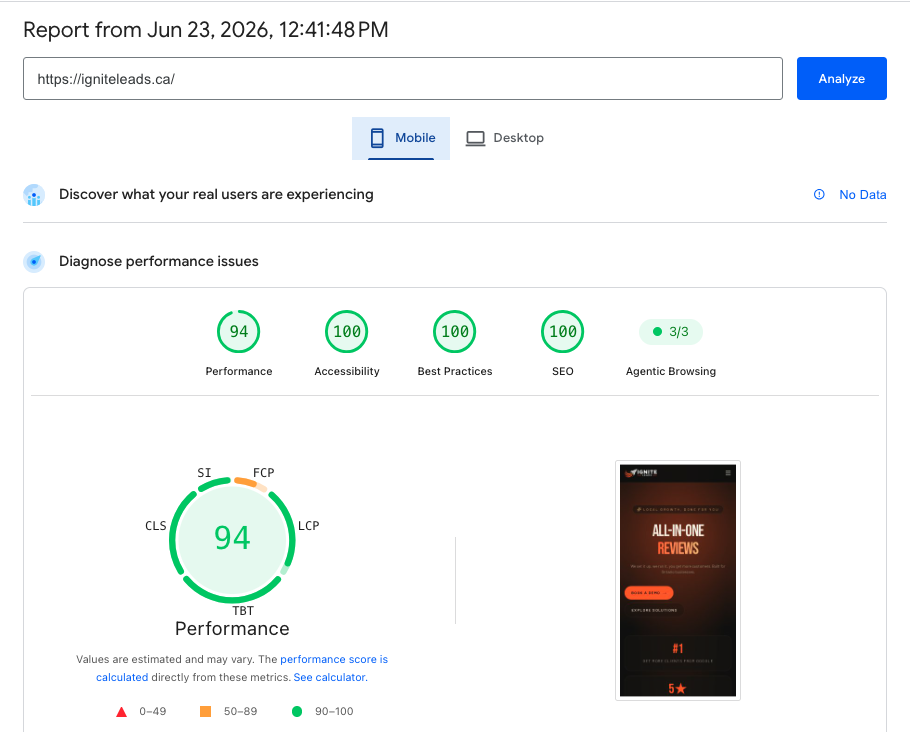
SEO can send qualified visitors to a weak website, but it cannot force them to submit a form or make a call. If your site is slow, confusing, difficult to use on a phone, or vague about your services, rankings will not deliver their full value.
Every core service should have a focused page that explains who it is for, what is included, what makes your business different, and how to take the next step. Customers do not need a long marketing lecture. They need clear answers and an obvious way to contact you.
For a roofing company, that might mean separate pages for roof repair, replacement, and emergency service. For a coach, it may mean distinct pages for one-on-one coaching, group programs, and discovery calls. Specific pages help Google match your business to specific searches, while helping customers quickly confirm they are in the right place.
The SEO services small businesses need most
Not every business needs the same SEO plan. A single-location spa and a multi-location home service company have different competitive pressures. Still, the work that moves local visibility usually falls into a few connected areas.
First comes a local search audit. This identifies ranking gaps, technical website issues, duplicate listings, missing service pages, weak review signals, and competitors that are winning visibility for valuable searches. Without an audit, businesses often pay for activity rather than progress.
Next comes on-site optimization. This includes improving page structure, service copy, location relevance, mobile performance, calls to action, titles, descriptions, and technical signals that help search engines crawl the site. It is not glamorous work, but it gives every other SEO effort a stable foundation.
Then there is local authority and reputation. Google looks for evidence that a business is real, relevant, and trusted. Consistent business information, quality local citations, customer reviews, and useful local content all contribute. Review generation matters especially because reviews influence both local visibility and the customer’s decision to contact you.
Finally, SEO needs measurement. You should know which searches are improving, which pages produce calls, where leads come from, and whether the volume of booked work is moving in the right direction. Rankings are a leading indicator. Qualified leads, appointments, and revenue are the business result.
Why reviews and response time affect SEO results
A business can rank well and still lose leads every day. Consider two businesses appearing in the same Google Maps results. One has 4.8 stars, recent detailed reviews, clear hours, and answers the phone. The other has old reviews, no recent activity, and a contact form that sits unanswered until tomorrow. The first business will usually win more customers.
That is why local SEO should not operate in isolation from lead handling. Once a customer calls, chats, or submits a form, speed matters. A fast confirmation and follow-up process makes the marketing spend work harder. Automation can handle initial replies, appointment reminders, missed-call texts, and review requests without adding more administrative work to your day.
For service businesses with busy teams, this is often the difference between generating leads and actually converting them. You do not need more enquiries if your current enquiries are slipping through the cracks. You need a process that captures and routes every opportunity.
What to avoid when hiring an SEO provider
Be cautious with anyone promising a number-one ranking by a certain date. Google rankings depend on competition, location, your existing website, review profile, and the search itself. A credible provider can set targets and explain the plan, but they cannot responsibly guarantee a permanent top position.
Also avoid vague monthly reports filled with jargon but no connection to customer acquisition. If the report cannot show what work was completed, what improved, and how that activity connects to calls or leads, it is not giving you enough control.
Cheap SEO can be expensive when it relies on copied pages, irrelevant backlinks, fake reviews, or generic content pasted across multiple cities. Those shortcuts may create a temporary bump, but they can damage trust and make future cleanup harder. Local visibility is built through accurate information, useful pages, real customer feedback, and consistent execution.
Ask direct questions before you commit. Who owns the website and business listings? What will be optimized first? How will reviews be generated ethically? How are calls and forms tracked? Who follows up with leads after they arrive? The answers reveal whether you are buying a complete growth process or a disconnected task list.
A better model: SEO connected to your lead system
The strongest SEO services for small businesses connect visibility with conversion. Your website, Google Business Profile, reviews, CRM, follow-up automation, and lead reporting should support one workflow instead of operating as separate tools.
That is the practical advantage of a managed system. One team can identify where leads are being lost, improve the local search presence, update the website, automate responses, and track the result. Instead of coordinating several vendors, the owner sees one process aimed at generating more booked customers.
At Ignite Leads, that means treating local SEO as part of the full path from Google search to customer conversation. Ranking matters. So does what happens in the first five minutes after a prospect reaches out.
Start with the leaks, not the latest tactic
If your business is already getting traffic but not enough calls, fix the website and follow-up process first. If you have strong service but weak map visibility, prioritize your Google Business Profile, reviews, and local relevance. If competitors dominate every valuable search, expect a more sustained content and authority effort.
The right priorities depend on where the bottleneck sits. What does not change is the goal: make it easier for nearby customers to find you, trust you, and get a fast response when they are ready to buy.
The next customer searching for your service is already choosing between a handful of local businesses. Make sure your online presence gives them a clear reason to choose yours, and make sure your system is ready when they do.
Allan Heath
Founder of Ignite Leads. Helps local businesses grow through SEO, lead generation, and marketing automation — simplifying the playbook so owners can focus on the work.