Article
SEO Vaughan: How Local Businesses Win More Calls
July 27, 2026 • 6 min read

A Vaughan customer with a broken furnace, a last-minute car repair, or an urgent need for a cleaner is not researching marketing tactics. They are searching Google, checking reviews, and calling the business that looks ready to help. That is why SEO Vaughan is not simply about appearing in search results. It is about putting your business in front of local buyers at the exact moment they are prepared to book.
For service businesses, visibility only matters when it produces calls, appointments, quote requests, and revenue. A site that ranks but loads slowly, has weak service pages, or leaves inquiries unanswered is not a growth system. It is a leak in one.
What SEO Vaughan Should Deliver
Local SEO should make it easier for nearby customers to find, trust, and contact your business. In a competitive market like Vaughan, that means more than adding a city name to a few web pages. Google needs clear, consistent evidence of what you do, where you operate, and why customers choose you.
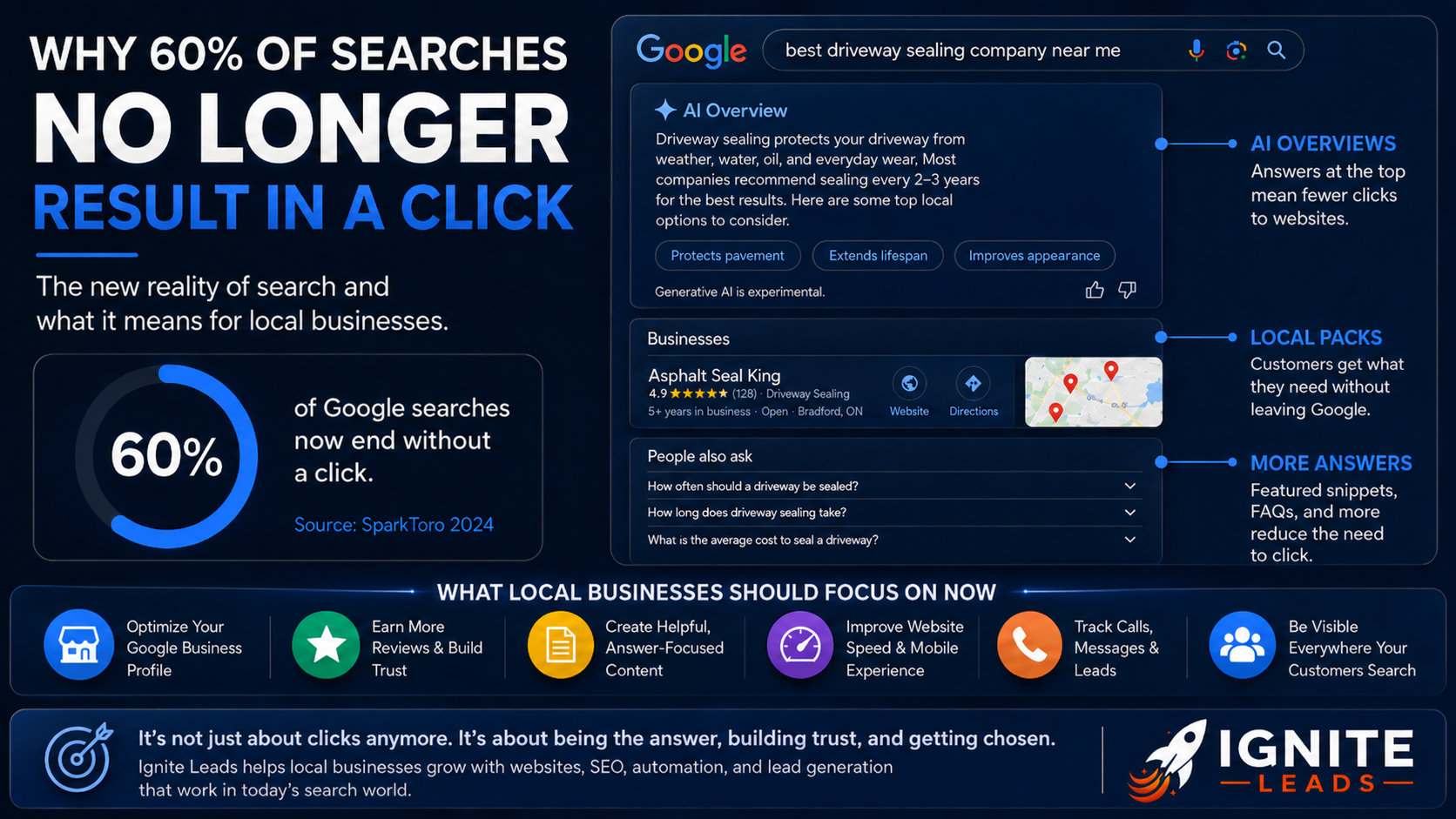
A properly managed local campaign connects the pieces that influence a customer’s decision: your Google Business Profile, website, service-area relevance, reviews, local citations, and lead follow-up. Each part has a different job. Your profile helps you show up on Maps. Your website helps Google understand your services and gives visitors a reason to contact you. Reviews reduce hesitation. Fast response turns the inquiry into a booked job.
The trade-off is simple. Businesses that treat SEO as a one-time setup may get a temporary lift, but results usually flatten when competitors keep adding reviews, publishing useful service content, and improving their profiles. Local visibility requires ongoing maintenance, not endless busywork.
Start With the Searches That Bring Buyers
Not every keyword is worth chasing. A broad term may bring traffic, but traffic is not the same as demand. A garage in Vaughan needs to be found for searches such as “brake repair Vaughan” or “oil change near me,” while a home service company may need visibility for specific repairs, installations, and emergency calls.
The strongest SEO plan begins with commercial intent. These are the searches made by people who need a service, understand the problem, and are comparing providers. Service pages should be built around that intent, with clear details about the work, the areas served, proof of experience, and a direct way to call or request a quote.
Avoid creating dozens of thin pages that only swap one neighbourhood name for another. That approach adds little value for customers and can create a weak, repetitive website. Build fewer, stronger pages that answer real questions and support the services you want more of.
Make Your Website Ready to Convert
A ranking is only the first step. When a prospect lands on your site, they should immediately know what you offer, who it is for, and what to do next. If they have to hunt for a phone number, wait for a slow page, or fill out a vague contact form, many will move to the next result.
Every key service page should include a visible call-to-action, a click-to-call number on mobile, service-specific information, and proof that reduces risk. That proof can include recent reviews, before-and-after work, certifications, warranty details, or clear pricing guidance where appropriate.
For businesses that serve multiple areas, be precise. State your real service area and show relevant examples of work where possible. Do not claim locations you cannot service quickly. A lead outside your practical coverage area can waste time and weaken the customer experience.
Your Google Business Profile Is a Lead Channel
For many local searches, the map results are more visible than standard website listings. Your Google Business Profile is often the first impression a customer gets of your business, especially on a phone. An incomplete or poorly maintained profile leaves calls on the table.
The fundamentals matter: accurate business name, correct primary category, current hours, services, photos, phone number, website details, and a complete description. Those details must match the information on your website and across major business directories. Conflicting information makes it harder for customers to trust what they see and can muddy local signals.
Photos are not decoration. Recent photos of your team, vehicles, shop, completed work, or facility help a prospect decide whether your business feels legitimate and active. For a spa, that may mean clean treatment spaces and staff. For a contractor, it may mean finished projects and branded vehicles. Use the images that make the next step feel safer.
Keep the profile active, but focus on useful updates rather than filler. New services, seasonal availability, completed projects, and common customer questions can all support a stronger local presence.
Reviews Create the Confidence SEO Cannot Create Alone
A business can rank well and still lose the call if its reviews are old, sparse, or unanswered. Local customers use reviews to assess reliability before they ever speak with you. They want signs that you show up, communicate clearly, solve the problem, and stand behind your work.
The best review strategy is operational. Ask every satisfied customer at the right point in the service journey, when the result is fresh and the experience is positive. Do not rely on staff to remember after a busy day. Automated review requests can make collection consistent without making the process feel impersonal.
Respond to reviews as well. A short, professional response shows future customers that there are real people behind the business. For negative feedback, stay calm, avoid arguing publicly, and show that you take resolution seriously. A perfect rating with very few reviews can be less persuasive than a strong overall rating with frequent, thoughtful responses.
Speed-to-Lead Protects Your SEO Investment
SEO can generate the inquiry, but it cannot force your team to answer it. This is where many local businesses lose money. A prospect calls after hours, submits a form during a job, or sends a message while comparing three providers. If no one responds quickly, the lead is likely gone.
That is why SEO should connect to a response system. Missed-call text-back, automated confirmations, CRM follow-up, online booking, and AI-assisted reception can keep a prospect engaged while your team is working. The goal is not to replace human service. It is to ensure a ready-to-buy customer is acknowledged immediately and routed to the right next step.
Response time matters more for some industries than others. A coach may have room to follow up within a few hours. An emergency plumber or towing company may need a response in minutes. Build the workflow around the urgency of your buyer, not a generic marketing rule.
Measure Calls, Bookings, and Revenue - Not Rankings Alone
Rankings are useful diagnostics, but they are not the finish line. Search positions change based on location, device, competition, and Google’s own testing. A report full of ranking screenshots does not tell you whether the phone rang.
Track the actions that matter: calls from Google, form submissions, booked appointments, quote requests, lead response time, review growth, and close rate. If possible, connect marketing leads to completed jobs so you can see which services and sources produce the best customers.
This data also improves decision-making. If one service page generates qualified estimates while another gets visits but no inquiries, the answer may be to improve the offer, clarify the service, adjust the call-to-action, or target a more specific search term. SEO works best when it is managed like an ongoing sales channel, not a monthly checklist.
A More Practical Way to Run Local SEO
Most owners do not need another login, another dashboard, or another task assigned to the office manager. They need one coordinated system that handles visibility and conversion together. That means the website, Google profile, reviews, automation, and reporting should support the same objective: more booked customers with less manual follow-up.
Ignite Leads approaches local growth this way because disconnected tools create blind spots. A business may pay for a website, hire someone for SEO, collect reviews inconsistently, and still miss calls after hours. Coordinating those pieces gives every lead a better chance of becoming revenue.
The right SEO Vaughan strategy does not promise overnight dominance. It builds a credible local presence, targets high-intent searches, earns trust before the first conversation, and follows up fast enough to win the job. When those systems are working together, Google visibility becomes far more valuable than a ranking report.
Allan Heath
Founder of Ignite Leads. Helps local businesses grow through SEO, lead generation, and marketing automation — simplifying the playbook so owners can focus on the work.