Article
SEO Versus Social Media for Local Leads
September 25, 2026 • 6 min read
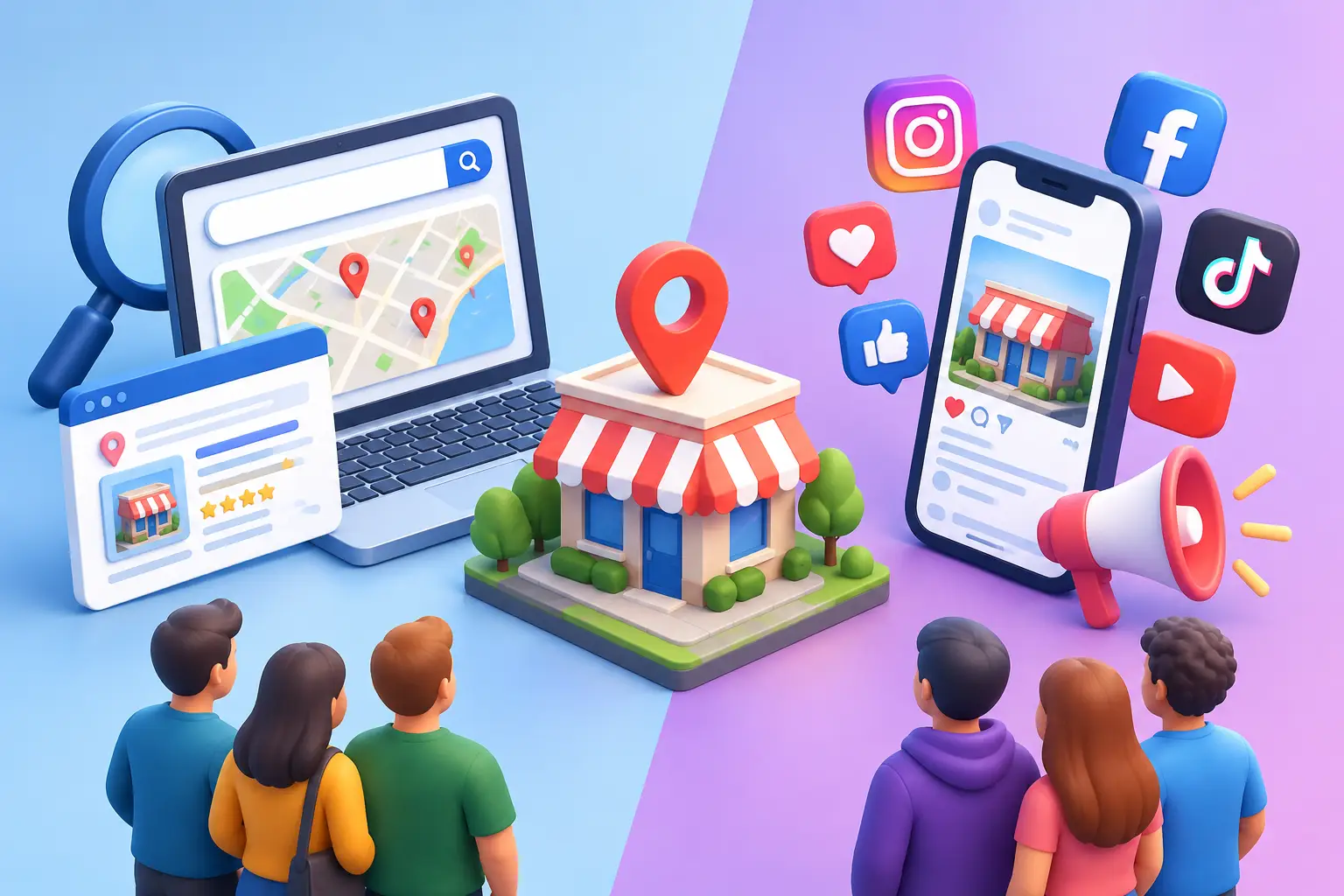
A homeowner with a leaking pipe is not looking for a clever post. They are searching for a plumber, checking reviews, and calling the business that looks credible and available. That is the core difference in seo versus social media for local service businesses: one usually captures existing demand, while the other earns attention before demand is urgent.
Both channels can produce customers. The mistake is treating them as interchangeable or putting equal effort into both before the business has a reliable way to turn interest into booked work. For most operators, the right choice comes down to buying intent, speed, service type, and how well your follow-up system performs.
SEO Versus Social Media: The Difference That Matters
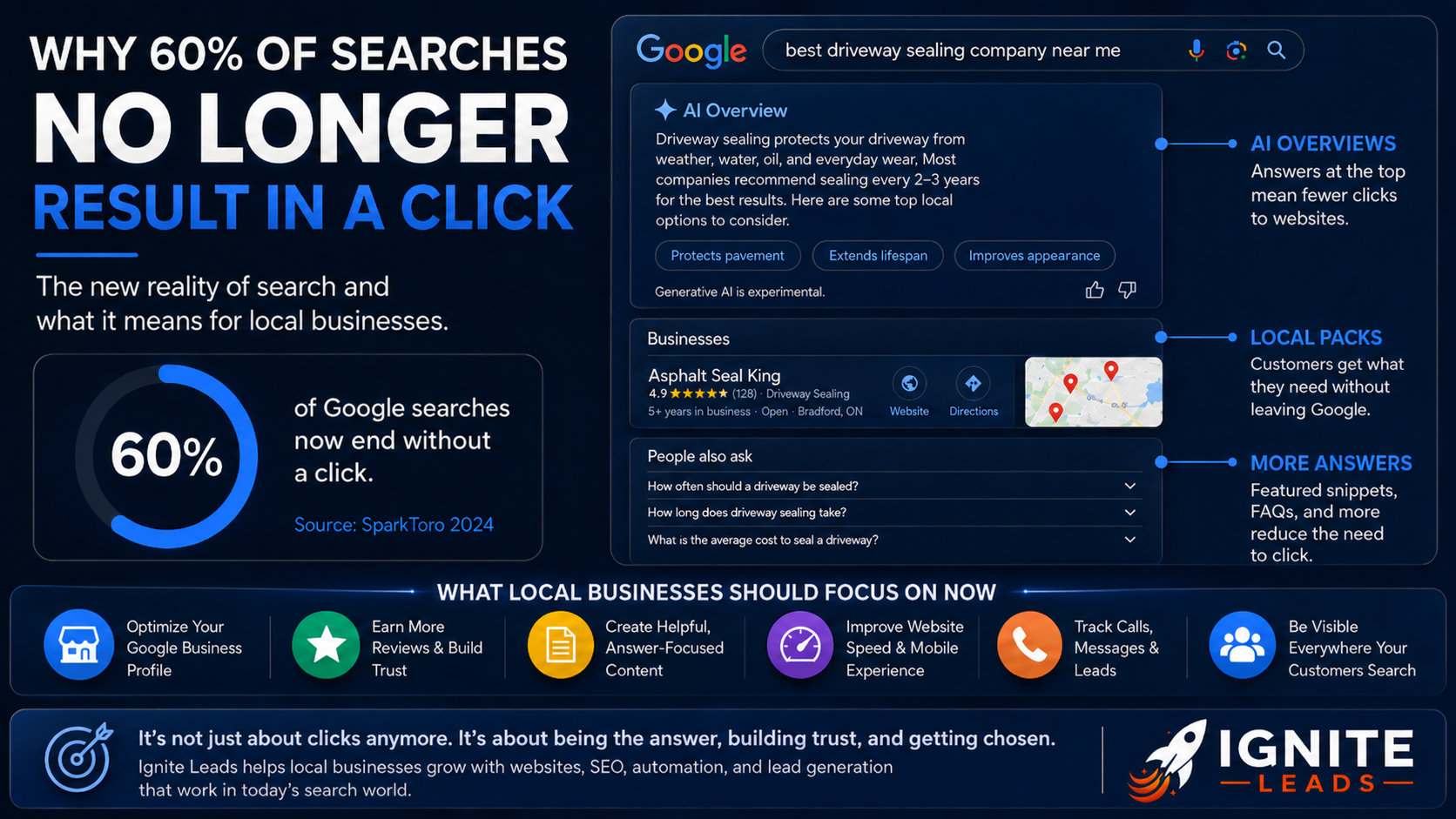
SEO puts your business in front of people who are actively looking for what you do. A customer searching "auto repair near me," "facial Newmarket," or "garage door repair Barrie" already has a problem and is evaluating who to contact. Your job is to appear prominently, prove you are trustworthy, and make the next step easy.
Social media works differently. It introduces your business to people while they are scrolling, watching, or catching up with friends. A useful video, before-and-after photo, customer story, or local promotion can create awareness and keep your name familiar. But most viewers are not ready to book in that moment.
This is not an argument that one channel is good and the other is bad. It is about matching the channel to the outcome you need. If your calendar has gaps and you need more calls from ready-to-buy customers, local SEO usually deserves priority. If your business has a visual service, a longer sales cycle, or benefits from repeated exposure, social media can strengthen the pipeline around it.
SEO captures high-intent demand
Local SEO is built around relevance, proximity, and trust. When a prospect finds you through Google Search or Google Maps, they want proof that you serve their area, handle their problem, and have done good work for customers like them.
That proof comes from a well-managed Google Business Profile, service pages that target real customer searches, accurate business information, strong reviews, current photos, and a website that makes it simple to call or request an estimate. Technical details matter too, but a local business does not need to become an SEO expert. It needs a coordinated system that keeps these assets accurate, active, and conversion-ready.
SEO takes time. New or poorly maintained businesses should not expect top local visibility overnight. Rankings often improve over months as your site, reviews, listings, and local authority build. The benefit is that the work can continue producing leads without paying for every individual click.
Social media creates familiarity and proof
Social media is strongest when people need to see your work, understand your process, or develop confidence before contacting you. Spas can show treatments and results. Renovators can document transformations. Coaches can demonstrate expertise. Garages can explain a common repair in plain language and remove some of the uncertainty customers feel.
It can also support referral-driven growth. A customer may not need your service today, but consistent local content makes your name easier to remember when a friend asks for a recommendation.
The trade-off is reach versus intent. A post can earn views, likes, and comments without generating a single qualified lead. Organic reach is unpredictable, and paid social campaigns require strong creative, precise targeting, and fast follow-up to work consistently. If a lead messages your page and waits until tomorrow for a response, the opportunity often goes to a competitor.
Which Channel Produces Better Leads?
For urgent, problem-based services, SEO generally produces better immediate lead quality. A person searching for an emergency locksmith, furnace repair, towing service, or a nearby mechanic has clear intent. They are close to making a decision, which means response speed and reputation can matter more than a polished social feed.
For considered services, the answer is less absolute. A cosmetic clinic, personal coach, custom home service provider, or premium renovation company may need more trust-building before a prospect is ready to enquire. Social media helps prospects see the people behind the business, understand the quality of the work, and become comfortable reaching out. SEO still matters because many of those prospects will eventually search your name or compare options on Google.
Lead quality also depends on your offer. A clear service area, transparent booking process, review volume, and a fast reply can turn moderate traffic into strong results. Without those pieces, even excellent rankings or high-performing ads leak opportunities.
Start With the Channel Closest to Revenue
A practical decision starts with a simple question: where are your best customers already showing purchase intent?
If customers regularly search Google before calling, build the search foundation first. That includes your website, Google Business Profile, reviews, local landing pages, call tracking, and a process for responding to every enquiry. This is the priority for many service businesses in Barrie, Newmarket, Aurora, and Vaughan because customers often need a nearby provider now, not another account to follow.
If customers make decisions based on appearance, personality, education, or repeated exposure, use social media to support that journey. Post proof of work, answer common questions, show your team, and give people a reason to take the next step. Keep every post connected to a clear action such as calling, booking, requesting a quote, or sending a message.
Do not judge either channel by vanity metrics. More followers do not automatically mean more revenue. Rankings for broad keywords do not help if they do not lead to calls. Track qualified leads, booked appointments, show rates, close rates, and customer value. Those numbers tell you whether marketing is working.
The Hidden Issue: What Happens After the Lead Arrives?
Most local businesses do not lose because they have no marketing. They lose because the handoff between marketing and sales is slow or disorganized.
A lead may call after hours, fill out a form while your team is on a job, or message through social media while nobody is monitoring the inbox. If there is no immediate response, automated acknowledgement, or clear ownership, that prospect keeps searching. The same problem affects both SEO and social media, but it is especially costly when the prospect has high intent.
Your lead process should confirm the enquiry quickly, capture contact details, notify the right person, and keep following up until there is a clear outcome. AI chat and voice reception can help cover gaps, but the goal is not automation for its own sake. The goal is to prevent good leads from going cold while your team is busy serving customers.
This is why channel decisions should not be made in isolation. A strong Google ranking paired with weak follow-up underperforms. A compelling Instagram campaign with no booking flow underperforms. The winning setup connects visibility, trust, response, and conversion.
How to Use SEO and Social Media Together
Once your SEO foundation is generating reliable local visibility, social media becomes more valuable. Use it to reinforce the same message prospects see when they search. If your Google reviews praise your fast response, show that responsiveness in your content. If you specialize in a service, publish useful proof and explanations that make the specialization clear.
The channels can also feed each other. Social content gives you fresh photos, customer stories, and frequently asked questions that can support your website. SEO reveals the real phrases and concerns customers search, giving your social content a sharper focus. Neither channel should operate as a separate marketing hobby.
For a local business with limited time and budget, the order is usually straightforward: establish search visibility and review credibility, fix lead handling, then use social media to build recognition and keep your pipeline warmer. The exception is a new, highly visual brand that needs awareness before search volume exists. Even then, build the website and Google presence early so attention has somewhere productive to go.
The best marketing plan is not the one with the most channels. It is the one that makes it easy for a local customer to find you, trust you, reach you, and get a fast answer when they are ready to act.
Allan Heath
Founder of Ignite Leads. Helps local businesses grow through SEO, lead generation, and marketing automation — simplifying the playbook so owners can focus on the work.