Article
A Service Area Guide for More Local Leads
November 2, 2026 • 6 min read

A service business can rank well, answer calls quickly, and still waste marketing budget by targeting the wrong places. The difference between a profitable service area and an expensive one is not how many cities you can name. It is whether customers in those locations can find you, contact you, and be served at a margin that makes sense.
This service area guide is built for Ontario operators who want more booked work without spreading their marketing across every nearby town. Whether you run a garage, spa, coaching practice, plumbing company, or multi-location business, your coverage area should drive decisions across local SEO, ads, follow-up, staffing, and scheduling.
Start With the Area You Can Serve Well
Your real service area is not your preferred map radius. It is the area where you can deliver a reliable customer experience.
For a home service company, that means travel time, technician availability, fuel costs, parking, and the likelihood of same-day work. For a clinic, salon, or coach, it means how far clients are realistically willing to travel, access to transit, appointment availability, and local competition. A wider area can create more opportunities, but it can also mean longer drive times, fewer completed jobs per day, and slower response to new enquiries.
Start by separating locations into three groups: your core area, your growth area, and your exception area. Your core area is close enough to serve quickly and already produces dependable revenue. Your growth area has clear demand and manageable delivery costs, but needs more visibility. Your exception area is somewhere you will serve only when the job value justifies the travel.
That distinction stops a common problem: marketing every location equally while your team quietly avoids the leads that come from the furthest ones.
Measure Profit, Not Just Lead Volume
A town that generates 30 low-value enquiries is not necessarily better than one that generates 10 high-value jobs. Track where leads originate, how quickly your team responds, what percentage books, average job value, and the cost of getting there.
If your CRM only records a postal code in a notes field, you will struggle to make decisions. Make location a required field or use call tracking, form fields, and booked-job reporting to capture it automatically. The goal is simple: know which areas create revenue after operational costs, not just which areas create phone calls.
Choose Locations With Intent Behind Them
The best nearby market is not always the biggest one. You need enough search demand, a customer profile that fits your offer, and a realistic path to visibility.
Look at the work you want more of. A premium detailing shop may do better targeting areas where vehicle ownership and discretionary spending support its packages. An emergency repair business may prioritize dense areas where fast arrival is a competitive advantage. A coach or wellness provider may find that a slightly farther community is worthwhile because clients book recurring sessions.
Competition matters, but it should not automatically disqualify a location. Strong competition often confirms demand. The question is whether your business has a credible angle: better reviews, faster response, clearer offers, longer hours, specialist services, or a simpler booking process.
In Barrie, Newmarket, Aurora, and Vaughan, customer expectations can vary significantly by service and neighbourhood. Treat each market as a business case. Do not assume the same offer, pricing message, or response time will perform equally everywhere.
Build Your Service Area Around Search Behaviour
People rarely search the way business owners describe their coverage. A homeowner may search for “emergency plumber near me,” not “plumber serving Simcoe County.” Someone looking for a spa may search a city name, a neighbourhood, or simply compare businesses with strong reviews on Google Maps.
Your website and Google Business Profile need to reflect the places customers actually use in their searches. That does not mean creating a thin page for every suburb within an hour's drive. It means building useful, location-relevant pages where you have a legitimate service offering and enough market value to justify focused content.
A strong location page explains what you do in that area, the services that matter most there, how customers can book, and what makes your process dependable. It should include real proof where possible, such as local reviews, completed project examples, response standards, or area-specific availability. Generic pages that swap one city name for another rarely help rankings or conversions.
Keep Your Google Business Profile Accurate
If customers come to your location, use the correct physical address and keep business hours current. If you travel to customers and do not receive them at your address, set up your profile as a service-area business and avoid showing an address that customers cannot visit.
Your listed service areas should reflect where you genuinely work, not every place you would consider for a large enough job. Overstating coverage creates a poor experience when a lead calls and learns they are outside your practical range. It also makes your marketing less focused.
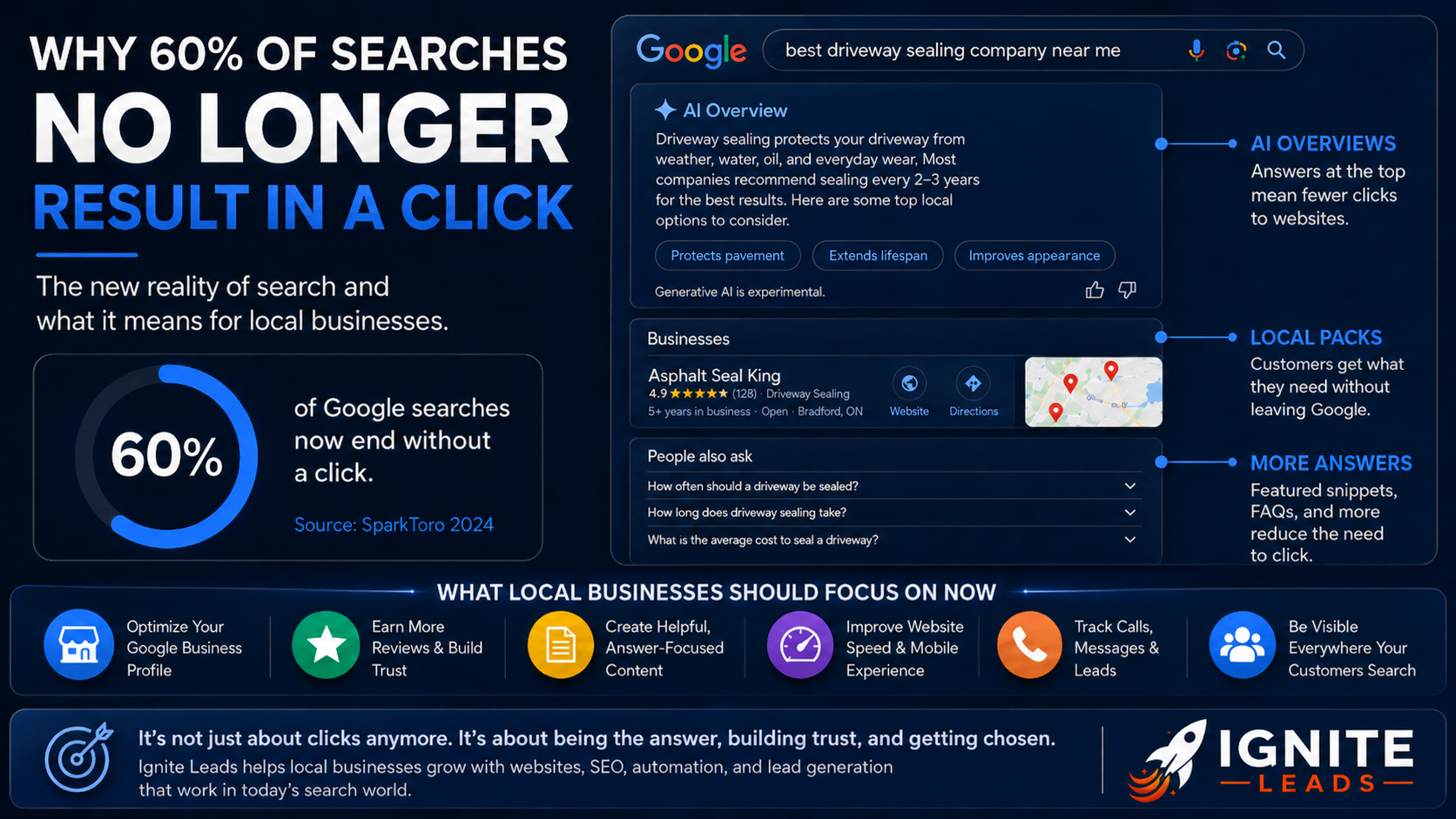
Local visibility is earned through relevance, proximity, reputation, and consistency. You can control much of that through accurate business information, a fast website, strong reviews, location-focused content, and prompt lead handling. You cannot force proximity, which is why a realistic coverage strategy matters.
Match Response Speed to Your Coverage Area
The further a customer is from your core area, the more likely they are to compare options. Slow follow-up gives nearby competitors an opening.
Every service area should have a clear lead-response plan. Calls should be answered or returned quickly. Form submissions should trigger an immediate acknowledgement, qualification questions, and a booking path. Missed calls should receive a text follow-up while the prospect still has intent.
This is especially important for businesses that operate outside standard hours. An AI receptionist or automated text workflow can capture the lead, identify the requested service and location, and route urgent opportunities to the right person. It does not replace a capable team. It prevents good prospects from disappearing while your team is on-site or serving another customer.
Set clear rules for exceptions. For example, a farther location may require a minimum job value, a travel fee, grouped appointments on certain days, or advance booking. Put those rules into your intake process so staff do not waste time negotiating jobs that do not fit the business.
Avoid the Service Area Mistakes That Cost Leads
The first mistake is treating every lead as equal. A lead that requires two hours of driving and has a low expected value should not receive the same sales process as a high-margin job ten minutes away.
The second is using vague messaging. “Serving all of Ontario” may sound ambitious, but it does not reassure someone who needs help this afternoon. Specificity builds confidence. Tell customers where you work, what response time they can expect, and how to request service.
The third is creating disconnected marketing. Your ads may target a city that your website barely mentions. Your website may promote a service that staff do not prioritize. Your Google profile may show coverage that your booking team cannot support. These gaps create wasted spend and missed calls.
Finally, do not confuse geographic expansion with growth. Adding locations before your core area converts consistently often creates more complexity, not more revenue. Fix visibility, reviews, website conversion, and speed-to-lead in the markets you already serve before widening the map.
Turn Coverage Into an Operating System
A useful service area strategy connects marketing to daily operations. Your website should attract the right local searches. Your forms and phone process should identify location immediately. Your CRM should route, track, and follow up with each lead. Your reporting should show which areas bring booked revenue, not vanity metrics.
This is where a managed growth system earns its keep. Rather than juggling a website provider, an SEO freelancer, a review tool, and separate follow-up software, businesses need one process that sees the full path from search to booked customer. Ignite Leads builds that coordination around local visibility, lead handling, and automation so owners can make decisions from real results.
Review your service area every quarter. Look for locations where lead quality is improving, where response times are slipping, and where demand is not worth the delivery cost. Expand when the numbers support it. Pull back when the work creates friction without profit.
The right service area is not the largest circle on a map. It is the group of markets where your business can show up quickly, earn trust, deliver well, and turn local demand into profitable booked work.
Allan Heath
Founder of Ignite Leads. Helps local businesses grow through SEO, lead generation, and marketing automation — simplifying the playbook so owners can focus on the work.