Article
Website Design Newmarket That Brings More Calls
July 13, 2026 • 6 min read

A website design Newmarket business owners can rely on does more than make the company look established. It needs to turn a homeowner with an urgent repair, a driver needing service, or a client comparing providers into a call, form submission, or booked appointment. If the site looks good but leaves visitors unsure what to do next, it is not doing its job.
For local service businesses, the website is not a digital brochure. It is the centre of the customer acquisition system. It supports Google visibility, builds confidence before the first call, captures leads after hours, and gives your team the details needed to respond quickly. That is the difference between a site that sits online and one that helps fill the calendar.
What a Newmarket Website Must Do
Newmarket customers usually do not spend hours researching a local service. They search, scan a few options, check reviews, and contact the company that feels clear, credible, and easy to reach. Your website has a small window to earn that action.
The first screen should immediately answer three questions: what do you do, where do you do it, and how can the visitor get help now? A strong headline, a direct service statement, visible phone number, and a clear booking or quote button handle the basics. Vague messaging such as “quality you can trust” does not. It may sound polished, but it does not tell a customer why they should call you.
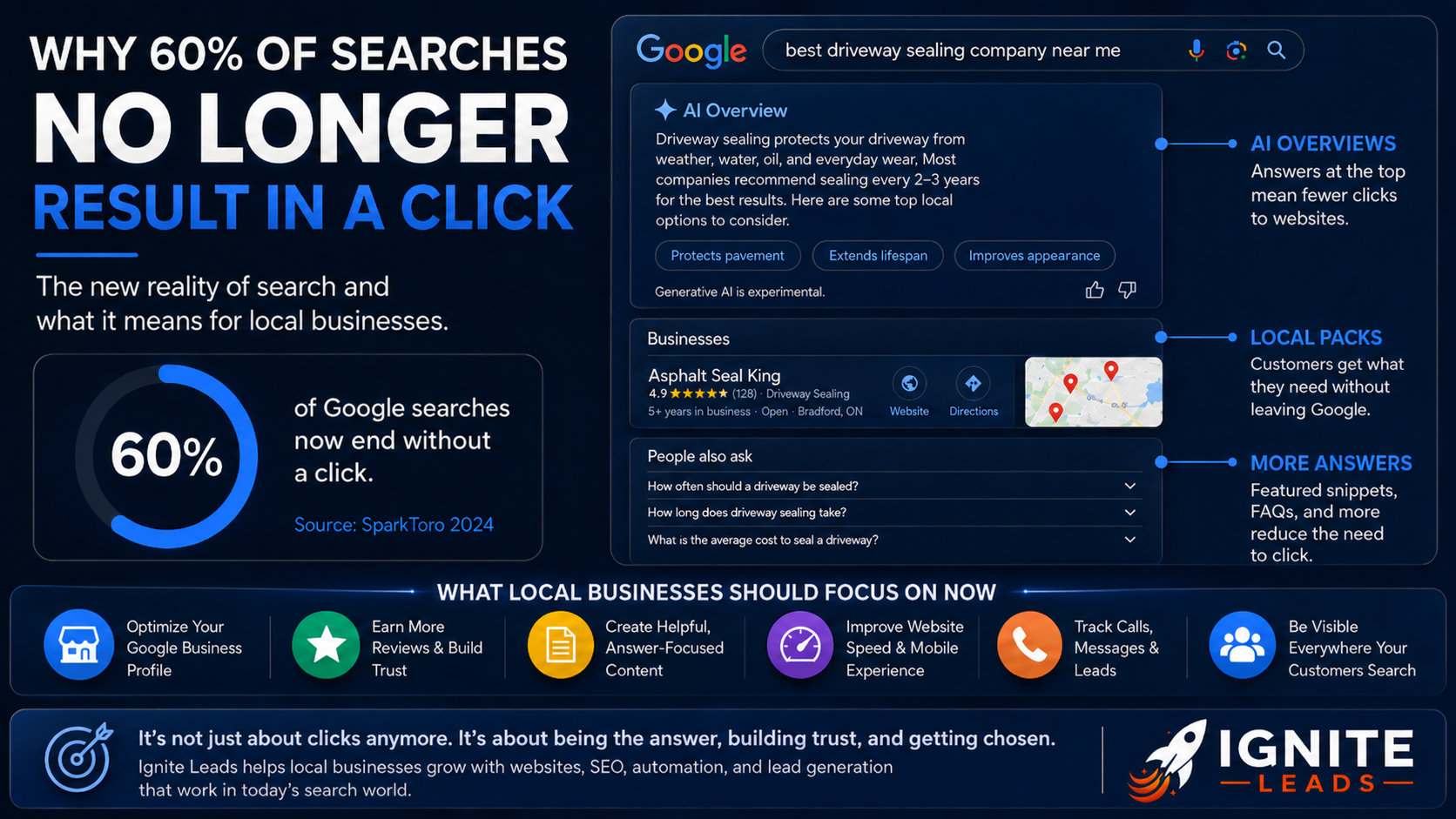
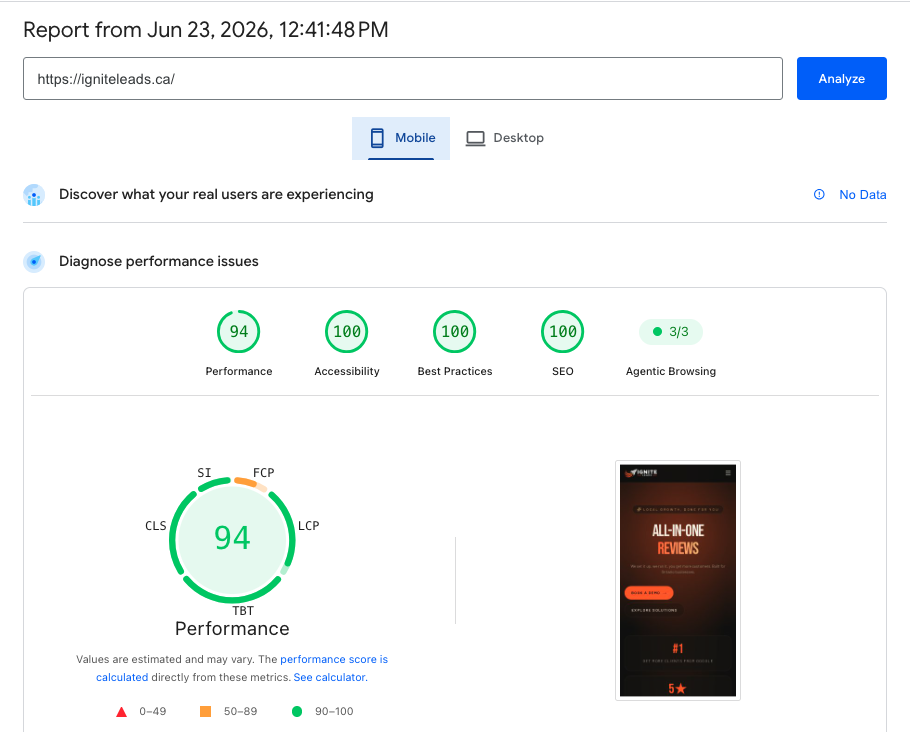
Speed matters just as much. A slow mobile site costs leads, especially for urgent services. Most local searches happen on a phone, often between jobs, during a commute, or when a problem needs immediate attention. Large image files, unnecessary animations, and overloaded page builders can make a site look expensive while making it harder to use.
A high-performing local site also needs to build trust fast. This can include real customer reviews, before-and-after work, relevant certifications, clear service information, and photos that show the actual business. Stock photos are not always a problem, but they cannot carry the full credibility load. Customers want evidence that you are active, local, and capable of solving their specific problem.
Website Design Newmarket Businesses Can Use to Convert
Good conversion design is not about adding more visual effects. It is about removing friction at every step between a search and a booked customer.
Start with a clear path. Each page should have one primary action based on how people buy your service. For a garage, that may be booking an appointment. For a roofing company, it may be requesting an estimate. For a spa or coaching practice, it may be choosing a consultation time. Giving visitors five equally prominent options often creates hesitation instead of choice.
Your contact process must also match customer behaviour. Some people will call immediately. Others prefer a form because they are at work or browsing late at night. A site that supports both, then responds quickly, will convert more of the traffic it already earns. The form should ask for enough information to qualify the lead without feeling like paperwork. Name, contact details, service needed, and a short message are often enough for the first step.
The same rule applies to service pages. Do not bury your core services in a generic paragraph. Give each important service enough space to explain the customer problem, the result you provide, and the next action. Dedicated pages can also help Google understand what you offer and where you offer it. That creates a stronger foundation for local SEO than trying to rank one general homepage for everything.
The mobile check most businesses skip
Open your site on a phone and try to contact your own business. Is the phone number tappable? Does the quote button stay easy to find? Can you read the first section without pinching or scrolling through a giant banner? Does the form work properly?
This simple test exposes common conversion leaks. If a customer has to zoom in, hunt for the contact page, or wait for a slow image carousel to load, many will leave and contact the next company in the search results. You may never know that lead existed.
Design, SEO, and Follow-Up Need to Work Together
A website alone is not a lead generation system. It is one part of the process. A well-built site without visibility will not get enough qualified visitors. Strong rankings without a clear conversion path waste traffic. A completed form without fast follow-up becomes a cold lead.
This is why disconnected marketing tools often underperform. One provider builds the website, another runs SEO, a third manages reviews, and the owner is left chasing form submissions from an inbox. No one owns the full journey from search to sale.
A better approach connects the moving parts. Your service pages target the work people search for. Your Google presence supports visibility and trust. Reviews provide proof at the moment customers compare options. Forms, chat, and phone calls enter one pipeline. Automated replies confirm that the lead has been received, while your team gets notified to take over quickly.
Automation is not a replacement for good service. It is a way to prevent the first response from being delayed because your staff are driving, serving customers, or finishing a job. For many local businesses, speed-to-lead is a competitive advantage hiding in plain sight. The company that replies in minutes often wins the opportunity before competitors even see it.
Build for the Business You Want to Run
There is no single perfect website layout for every Newmarket business. A home service company may need emergency calls and estimate requests. A clinic may need online booking, treatment explanations, and consent-aware forms. A multi-location brand needs location pages that are accurate and useful, not copied blocks of text with different city names.
The right scope depends on your offer, sales process, service area, and current lead volume. A simple five-page site can outperform a large site when it is clear, fast, and connected to reliable follow-up. On the other hand, a business with multiple services, locations, or high-value jobs may benefit from more targeted pages and stronger qualification before the booking stage.
What should not change is the standard. Every page should have a job. Every visitor should understand the next step. Every lead should reach a system that gets a response.
Avoid these costly website mistakes
Local business websites tend to fail in predictable ways. They use generic copy that could describe any competitor. They put the contact button below several screens of content. They show an outdated phone number or have forms that do not notify anyone. They treat reviews as an afterthought, even though reviews often decide which local company gets the call.
Another common problem is building for internal preferences instead of customer intent. Owners may want a long story about the business before asking for a lead. Customers usually want confirmation that you solve their problem, serve their area, and can help without delay. Your company story still matters, but it should support the decision rather than block it.
What to Expect From a Managed Website
A managed website should reduce work, not create another task list for the owner. The initial process should cover the services you want to grow, the customers you want to attract, your local positioning, and the actions that count as a lead. From there, the work includes structure, copy, design, technical setup, conversion tracking, and connection to your lead-handling process.
After launch, the site should not be forgotten. Services change. Reviews accumulate. Seasonal priorities shift. Pages can be improved based on calls, form activity, rankings, and actual customer questions. This ongoing attention matters because a website is not a one-time design project when it is responsible for generating revenue.
Ignite Leads approaches website design as part of a managed growth system: visibility, reputation, lead capture, and follow-up operating together. That matters most for owners who want more booked customers without becoming the person responsible for coordinating six different marketing platforms.
A website should make it easier for the right customer to choose you and easier for your team to respond. Start there. Then make sure every call, form, and after-hours enquiry has somewhere useful to go.
Allan Heath
Founder of Ignite Leads. Helps local businesses grow through SEO, lead generation, and marketing automation — simplifying the playbook so owners can focus on the work.