Article
Website Design That Turns Local Visits Into Calls
September 28, 2026 • 7 min read
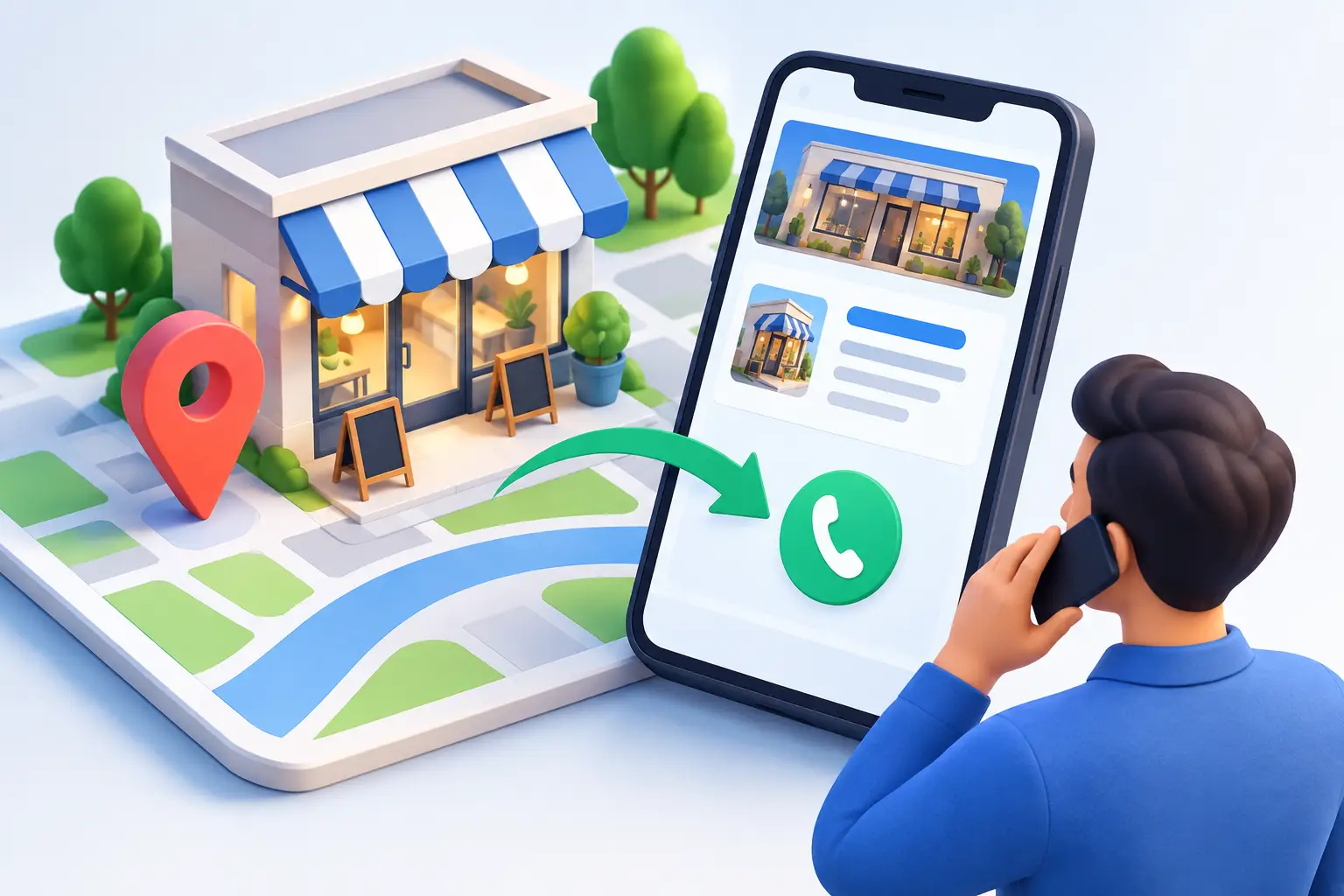
A local prospect lands on your site at 8:40 p.m., compares you with two competitors, and decides whether to call, book, or keep scrolling. Website design is not a cosmetic project in that moment. It is the part of your sales system that either creates the next conversation or lets a ready-to-buy lead disappear.
For service businesses, a website has one job: move qualified local traffic into calls, appointments, quote requests, and follow-up. Attractive colours and modern animations are secondary. If the site is slow, unclear, hard to use on a phone, or disconnected from your follow-up process, it is costing you work.
What Website Design Must Do for a Local Business
Most owners do not need an award-winning brand site. They need a site that answers the questions a customer has before they contact anyone else: Do you serve my area? Do you handle my specific problem? Can I trust you? How quickly can I get help? What do I do next?
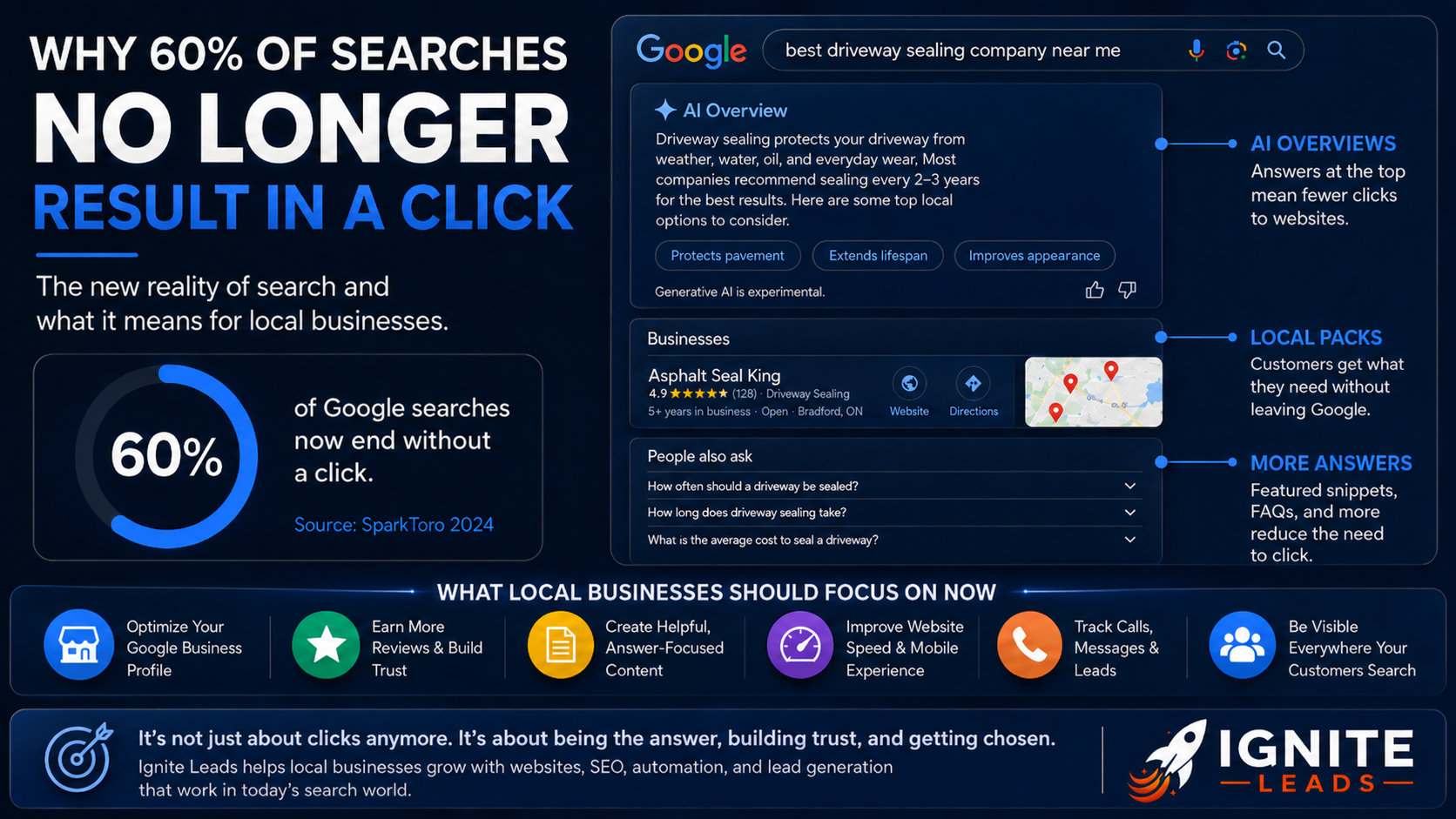
A strong site gives those answers without making people hunt for them. The service, location, proof, and call to action should be visible within seconds. This matters even more for urgent services such as garages, HVAC companies, plumbers, clinics, and repair businesses, where the customer is often searching from a mobile phone and contacting the first credible option.
The best conversion path is usually simple. A visitor sees a clear offer, understands why you are the sensible choice, finds evidence that other customers trust you, and can call or request an appointment immediately. Every extra step creates room for hesitation.
Start With the Actions That Create Revenue
Before choosing a layout, decide what a successful website visit looks like. For some businesses, it is a phone call. For a spa, coach, or clinic, it may be an online booking. For home services and larger jobs, a quote request with enough detail to qualify the lead may be the right goal.
Trying to push every visitor toward the same action can hurt conversion. A homeowner with a burst pipe wants to call now. Someone planning a kitchen renovation may prefer to submit photos and request an estimate. Your website should support both behaviours without burying either one.
Your primary call to action needs to be consistent across the site. If the goal is booked estimates, do not alternate between “Learn More,” “Contact Us,” “Get Started,” and “Request Service” with no clear priority. Use direct language that tells people what happens next, such as “Book Your Estimate” or “Call for Same-Day Service.”
The form itself should be short enough to finish on a phone. Name, contact information, service needed, and a message are often enough for an initial request. Longer forms can help qualify high-value projects, but only ask for details your team will actually use.
Build Pages Around How Customers Search
A homepage cannot carry your entire marketing strategy. Google and your customers both need clear pages for the services you provide. A garage should not rely on one generic “Auto Repair” page if brakes, tires, diagnostics, oil changes, and fleet service are meaningful revenue lines. The same principle applies to landscapers, salons, dental offices, contractors, and professional services.
Each core service page should explain the problem, the work you perform, who it is for, why customers choose you, and how to take the next step. This gives search engines relevant context while making the page more useful to a real buyer.
Location pages can also help when they reflect genuine service coverage and local demand. A business serving Barrie, Newmarket, Aurora, and Vaughan may need focused content for priority areas, especially when competition is high. But copying the same page and swapping city names adds little value. The page should include useful service information, practical local proof, and a clear route to contact your team.
The Four Elements Visitors Look for First
When a customer lands on a local service website, they are scanning quickly. Your pages need to make four things obvious:
- What you do and who you help.
- Where you work or which customers you serve.
- Why you are credible, including reviews, experience, certifications, or results.
- How to contact you now, with a visible phone number and a simple booking or quote option.
These elements are not decoration. They reduce uncertainty. A vague headline may sound polished, but it forces visitors to interpret your offer. A direct headline such as “Fast, Reliable Furnace Repair in Barrie” tells the right person they are in the right place.
Credibility needs to appear before the bottom of the page. Use real review highlights, recognizable service guarantees, project photos, team photos, and clear process details where appropriate. Stock imagery can fill a gap, but a site built entirely from generic photos makes a local business feel interchangeable.
Mobile Speed Is Part of Your Response Time
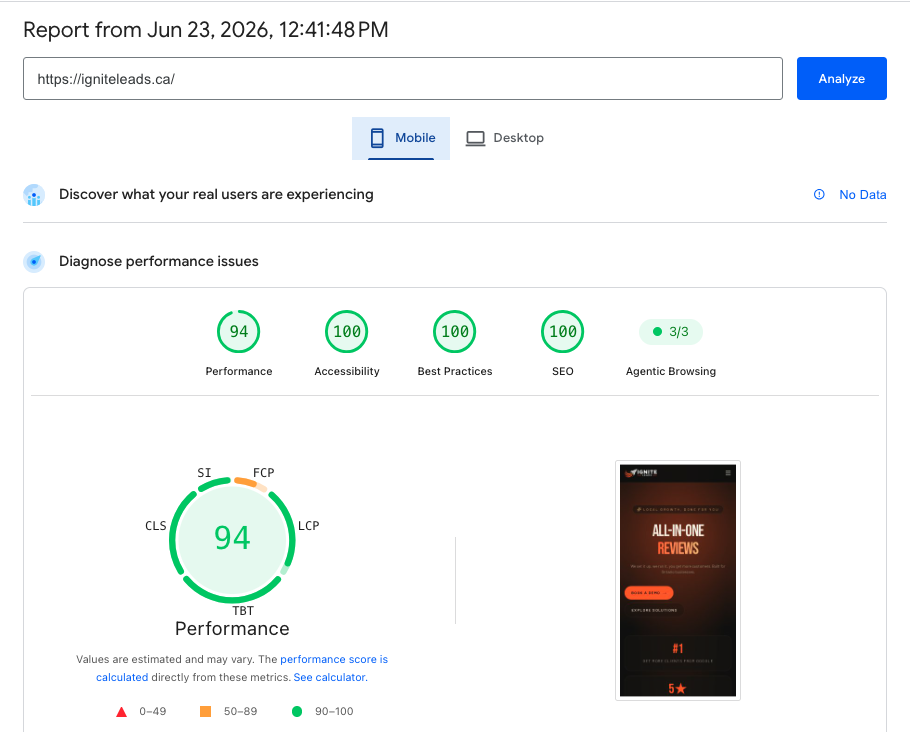
Most local searches happen on mobile devices. If a prospect needs to pinch, zoom, wait through oversized images, or search for the phone number, your business feels harder to deal with before anyone has spoken to you.
Mobile website design means more than shrinking a desktop layout. Buttons need to be easy to tap. Forms need to be quick to complete. Text needs to be readable. The call button should work instantly. Key details, including service areas and operating hours, should not be hidden behind multiple menus.
Speed matters for another reason: paid clicks are expensive. When you pay for Google Ads, every visitor who leaves because the page is slow or confusing is wasted budget. A faster, clearer landing page can improve the value of the traffic you already have before you spend another dollar to generate more of it.
A Website Cannot Be a Dead End
Getting a form submission is not the same as winning the job. Local businesses lose leads every day because messages sit in an inbox, calls go unanswered, or staff have no process for contacting prospects after hours.
Your website should feed directly into how your business follows up. That can include instant lead alerts, automatic text responses, appointment confirmations, pipeline tracking, and AI chat or voice reception for leads that arrive outside business hours. The right setup depends on your team and the type of work you sell, but the principle is fixed: speed-to-lead protects demand you have already paid to create.
For example, an emergency service business may need missed-call text-back and immediate call routing. A coaching business may benefit more from calendar scheduling, reminder messages, and a structured nurture sequence. One approach is not right for every operator. What matters is that no serious prospect gets left waiting for a manual response.
This is where disconnected marketing creates friction. A website provider, SEO company, review platform, call system, and CRM may all work independently, while the owner is left to make them communicate. A coordinated system is easier to manage because the website is built around the visibility, lead handling, and reputation process that follows.
Avoid the Website Design Mistakes That Quietly Cost Leads
The most expensive website problems are often basic. An unclear headline, an outdated phone number, no proof of service areas, weak mobile performance, and forms that do not trigger a fast response can all lower conversion without anyone noticing.
Another common mistake is treating a launch as the finish line. Your website should change as you learn what customers ask, which services drive the best jobs, and where leads drop off. If callers regularly ask about financing, add clear financing information. If one service generates high-value work, give it a stronger page and more prominent calls to action. If prospects are confused about your process, explain it plainly.
Price should also be viewed through the same lens. A low monthly website can be a smart decision if it is professionally built, maintained, and connected to lead follow-up. It is not a bargain if it produces no calls, cannot be updated quickly, or leaves your team chasing leads manually.
Make Your Website Part of the Operating System
The strongest local websites are not isolated brochures. They support Google visibility, give reviews a place to build trust, capture leads cleanly, and trigger fast follow-up. That is why Ignite Leads approaches websites as one part of a managed customer acquisition system rather than a standalone design exercise.
Start by looking at your site as a customer would. Can someone on a phone understand your offer in five seconds, see proof that you are credible, and contact you without effort? Then ask the operational question: when that person does reach out, how quickly will they hear back?
That gap between interest and response is where local revenue is won or lost. Fix it, and your website stops being an online placeholder and starts doing the work it was meant to do.
Allan Heath
Founder of Ignite Leads. Helps local businesses grow through SEO, lead generation, and marketing automation — simplifying the playbook so owners can focus on the work.