Article
SEO for Google My Business That Drives Calls
October 15, 2026 • 7 min read
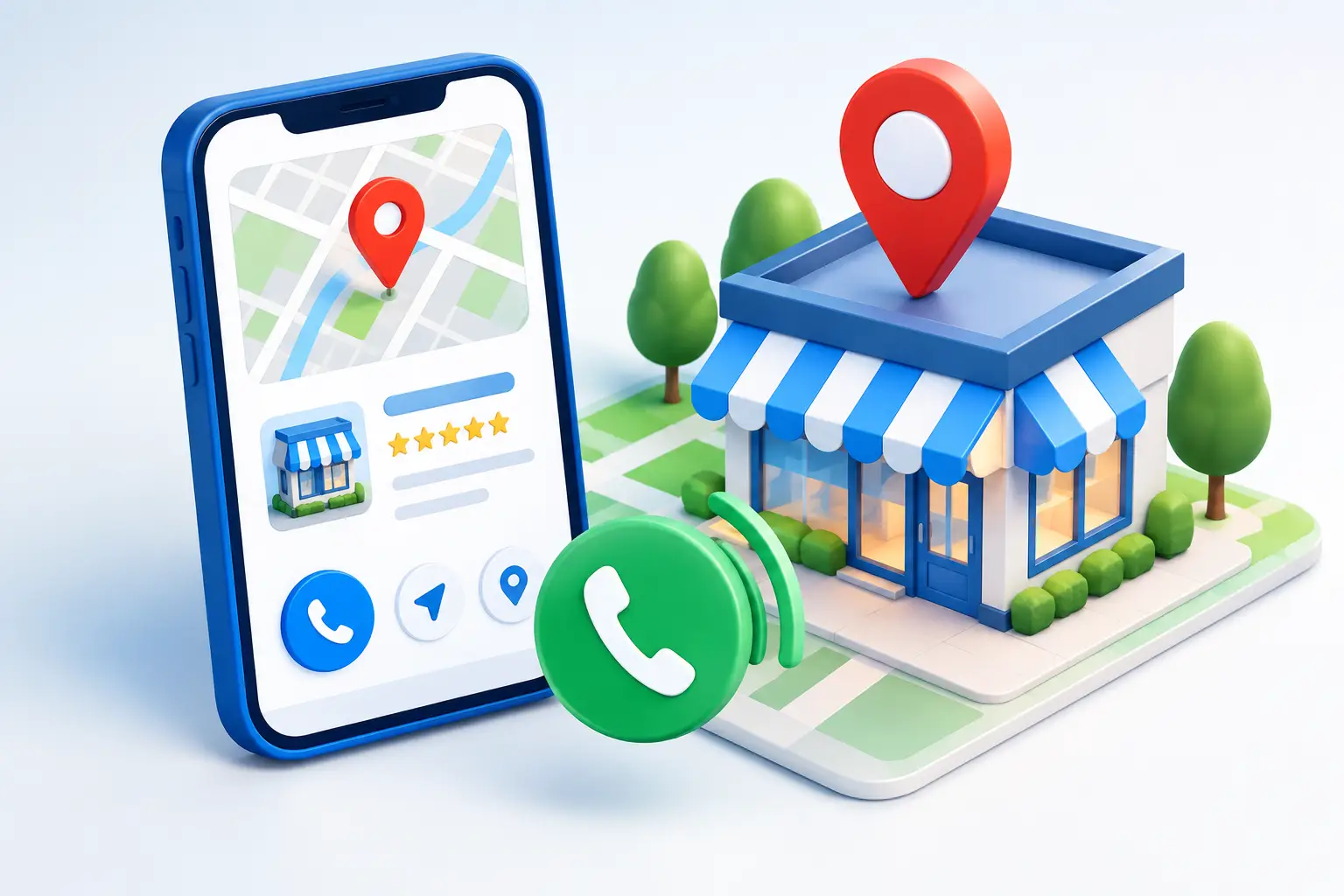
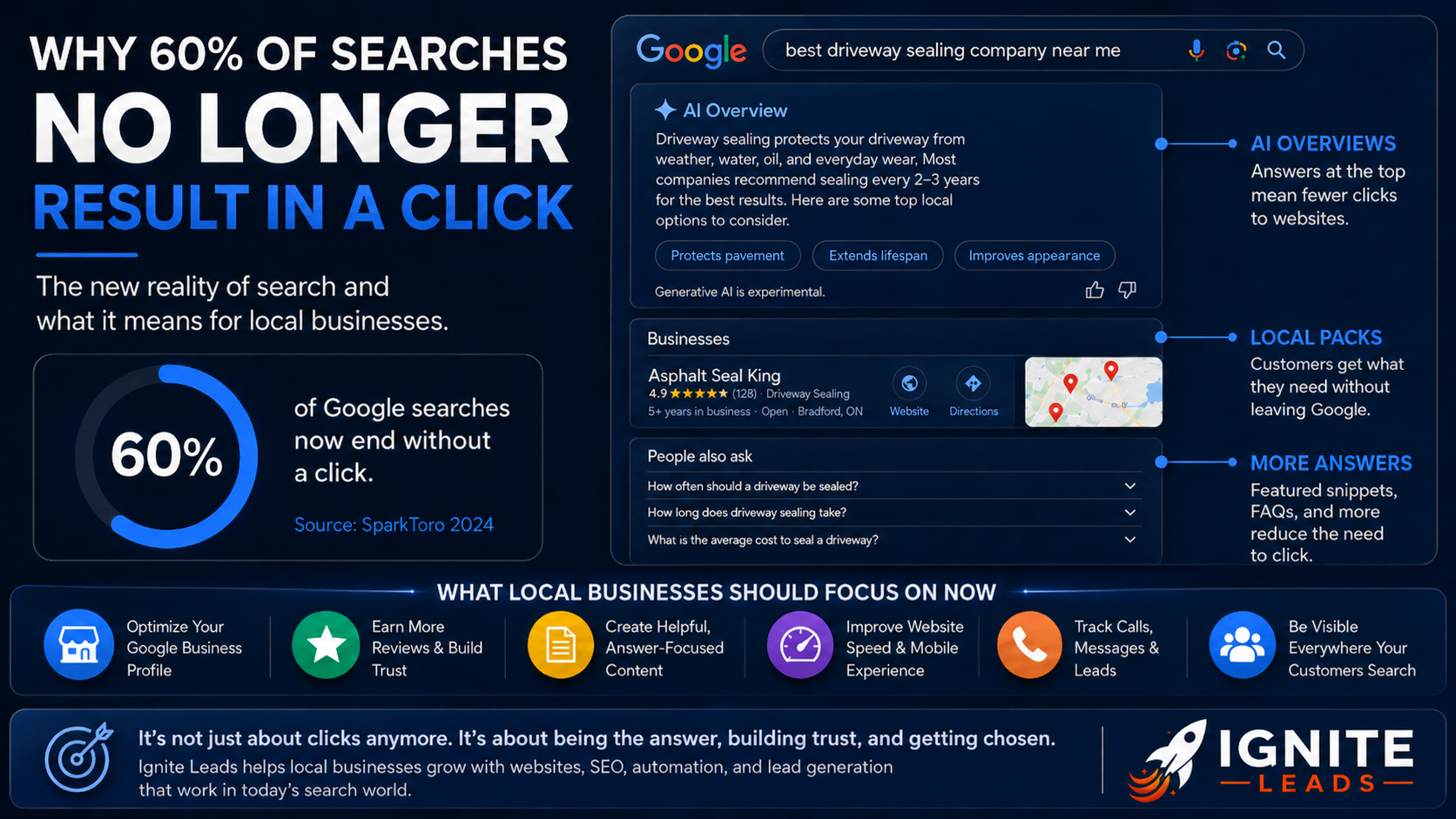
A homeowner searching “emergency plumber near me” is not comparing marketing strategies. They are choosing who to call first. SEO for Google My Business puts your service business in that decision window - on Google Search and Maps, with the proof, details, and response path needed to turn a search into a booked job.
Google now calls the platform Google Business Profile, but many owners still use the term Google My Business. The name has changed. The opportunity has not. For businesses that rely on calls, appointments, estimates, and walk-in traffic, your profile is often the highest-intent local asset you own.
A good-looking profile alone will not carry the result. Rankings depend on relevance, distance, and prominence. More importantly, visibility only matters when the listing gives a customer enough confidence to contact you immediately. That requires accurate setup, a strong reputation, consistent activity, and fast follow-up after the lead arrives.
Start SEO for Google My Business With the Right Foundation
The first job is accuracy. Google needs to understand exactly what you do, where you do it, and whether the business is legitimate. Customers need the same clarity in seconds.
Claim and verify the profile using the real business name shown on your signage, website, and customer-facing materials. Do not add keywords to the business name unless they are genuinely part of the registered, public-facing name. “ABC Heating and Cooling” is legitimate. “ABC Heating and Cooling Best Furnace Repair Barrie” is a shortcut that can trigger edits, suspensions, or lost trust.
Choose the most specific primary category available. This is one of the strongest relevance signals on the profile. A garage should not settle for a broad category if a more precise category reflects its main revenue service. A med spa, contractor, coach, or repair company should make the same decision based on its core offer, not every service it could possibly provide.
Then add secondary categories only when they represent real, staffed services. Categories help Google connect your listing with searches, but stuffing in loosely related options muddies the message. It also creates a poor customer experience when someone calls for a service you do not truly offer.
Your service area should be realistic. If you operate from a customer-facing location, use the address and keep business hours current. If you travel to customers, hide the address where appropriate and define the locations you actually serve. A business in Barrie that occasionally takes a job in Vaughan should not present itself as equally available across all of Ontario unless it has the capacity to prove it.
Build a Profile That Makes the Next Step Obvious
The best local listings remove friction. A potential customer should quickly see what you offer, why they should trust you, when you are available, and how to reach you.
Write a direct business description in plain language. Lead with the primary service, the main areas you serve, and the customer outcome. Use naturally relevant terms such as “garage repair,” “massage therapy,” or “roof replacement,” but write for a person, not a search engine. The description is not the place for promotional claims, all-caps slogans, or a string of city names.
Complete every operational field Google provides. Add the correct phone number, website, hours, holiday hours, appointment or booking options, attributes, and service list. If you offer 24-hour emergency service, make sure your operational reality supports that promise. A missed after-hours call can cost more than a month of local SEO work.
Photos are conversion assets, not decoration. Use clear exterior images so visitors can find the location, interior photos that set expectations, team photos that humanize the business, and work photos that show the quality of your service. For home service companies, before-and-after job images work well when they are real, well lit, and tied to the type of work customers are searching for.
Avoid stock-heavy profiles. Customers can spot generic imagery quickly, especially in high-trust services. Real photos communicate that the business is active, local, and accountable.
Reviews Create the Prominence Google Can See
Reviews affect two decisions at once: whether Google sees your business as established and whether a customer feels comfortable calling. A profile with 12 reviews from three years ago is rarely as convincing as one with a steady flow of recent, detailed feedback.
The goal is not to ask every customer at random. Build review requests into the point when the customer has received value: after a completed repair, a successful appointment, a finished installation, or a positive service interaction. The request should be simple, polite, and sent quickly while the experience is fresh.
Do not buy reviews, offer incentives for positive reviews, or pressure customers to use specific wording. Those tactics create risk and usually produce feedback that sounds unnatural anyway. A better system uses automated reminders, a direct review path, and internal alerts that help resolve unhappy experiences before they become public complaints.
Reply to every review with care. Thank positive reviewers without copying the same response repeatedly. For negative feedback, stay calm, acknowledge the concern, and move the detailed resolution offline. A professional response is not just for the reviewer. It is for the next prospect reading your profile and deciding whether your business handles problems properly.
Keep Relevance Current With Services, Updates, and Answers
Local SEO is not a one-time setup task. Google profiles change, competitors improve, hours shift, reviews arrive, and customer questions reveal what needs clarification.
Use the services section to describe the actual jobs you want to win. Each service should be easy to understand and connected to your real offer. A furnace company may list installation, maintenance, diagnostics, and repair. A salon may separate its key treatments. Specificity helps customers choose and gives Google stronger context.
Google updates can support seasonal offers, new services, local projects, or helpful customer information. They are not a substitute for a complete profile, and they will not rescue weak operations. Used consistently, they show activity and give searchers another reason to act.
The questions-and-answers area needs monitoring too. Customers may ask about pricing ranges, availability, parking, service boundaries, or appointment requirements. Accurate answers reduce unnecessary calls and prevent competitors or uninformed users from shaping the conversation on your listing.
Do Not Ignore the Website Behind the Profile
Google My Business SEO works best when your profile and website tell the same story. Your business name, address, phone number, core services, service areas, and hours should be consistent across both. Conflicting information makes customers hesitate and can weaken local confidence.
Your website also needs pages that support local intent. A vague homepage with a contact form is not enough for a company trying to rank for high-value work. Explain your services clearly, show proof of completed work, make the phone number prominent, and give visitors a fast path to request service.
For businesses serving multiple areas, location pages can help when they contain real local value. That might include the services available in that area, project examples, practical availability information, and customer proof. Creating near-identical pages that only swap “Aurora” for “Newmarket” is thin content, not a growth strategy.
Measure Calls and Bookings, Not Just Map Rankings
Ranking reports can be useful, but they are not the finish line. Position changes by neighbourhood, device, search phrase, and proximity to the searcher. A number-one screenshot means little if the business is missing calls or taking two days to reply to web enquiries.
Track profile calls, website clicks, direction requests, form submissions, booked appointments, and lead quality. If possible, connect those leads to the outcome that matters: estimates completed, jobs won, and revenue generated. This reveals whether your local visibility is attracting the right work or simply creating more noise.
Speed-to-lead deserves equal attention. A prospect who calls from Google is often contacting several companies. Automated acknowledgements, AI-assisted reception, CRM routing, and clear ownership of incoming leads can protect the demand you worked to create. SEO produces the opportunity. Your follow-up process determines how much of it becomes revenue.
Common Google Business Profile Mistakes That Cost Leads
Most profile problems are operational, not technical. Owners set up the listing once, then leave it untouched while reviews go unanswered, holiday hours become inaccurate, and calls land in an unmonitored inbox.
The other common issue is trying to force rankings with spam. Keyword-stuffed names, fake addresses, duplicate listings, review purchases, and irrelevant categories may create a short-term spike. They can also lead to suspensions, lost visibility, and a difficult reinstatement process. Local search rewards businesses that make it easy to verify who they are and serve customers well.
A managed system is often the better choice when your team is already busy running jobs, appointments, and staff. Ignite Leads approaches local visibility as part of one connected process: profile optimization, review generation, website conversion, lead handling, and reporting. That matters because a map ranking without a fast response process is only half a result.
Your Google Business Profile should make it easy for the right local customer to choose you at the moment they need help. Keep it accurate, keep it active, earn proof consistently, and make sure every call has someone - or an automated system - ready to handle it.
Allan Heath
Founder of Ignite Leads. Helps local businesses grow through SEO, lead generation, and marketing automation — simplifying the playbook so owners can focus on the work.